
Science
Parasitic Worms Transform Spiders into “Zombies,” Research Reveals

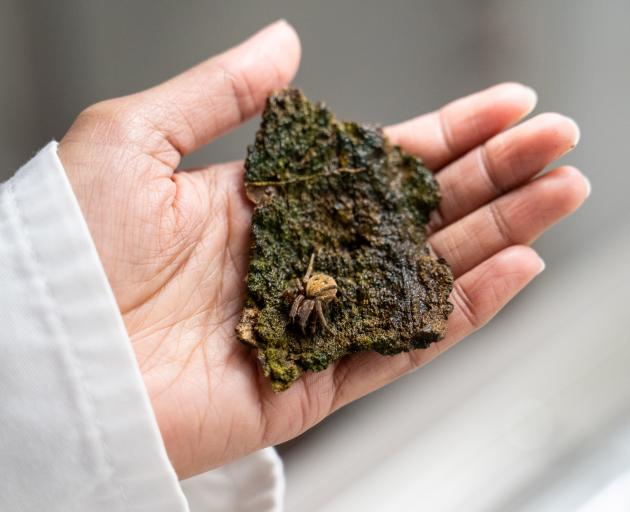
A groundbreaking study led by Usha Mendis, a PhD student at Lincoln University, has unveiled a disturbing phenomenon where parasitic nematodes, known as mermithids, turn spiders into what can be described as mindless “zombies.” This research raises significant concerns about the ecological impact of these parasites on New Zealand’s endemic spider population.
Mendis is dedicated to understanding how these nematodes affect various invertebrates, which include not only spiders but also caddisflies, mayflies, and grasshoppers. She has identified at least three different spider species that carry the parasite, highlighting the potential threat to the ecosystem. “New Zealand has a large number of endemic spiders, with over 90% of them being unique to the region,” Mendis noted. “If something were to happen to them, it would not be good for our biodiversity.”
The parasitic takeover leads to a slow and often gruesome death for the spider. Infected spiders exhibit unusual physical changes, such as larger limbs and swollen abdomens. “They look like zombies,” Mendis explained. Despite these noticeable alterations, the only definitive sign of infection is the eventual emergence of the nematode from the spider’s body upon its death.
Mendis’s research aims to uncover how these nematodes infiltrate their hosts. While the process of their emergence is understood, the initial entry point remains a mystery. The nematodes rely on the spiders for nutrients and energy, consuming their host’s resources as they grow. Mendis elaborated, “They can’t live without a host. They consume the energy and nutrients of the host and grow inside it.”
To facilitate their life cycle, mermithids require a moist environment. As a result, infected spiders are often driven to seek water, which can lead to drowning. This behavior poses additional risks, as even if the spider survives the nematode’s emergence, its health is severely compromised. Mendis is employing water traps to collect these nematodes for further study, as this research is still in its early stages—mermithids were first documented in New Zealand just 35 years ago.
As she continues her investigation, Mendis emphasizes the importance of understanding spiders and their ecological roles. “Spiders may look disruptive and creepy, but they’re not the enemy,” she said. “They’ve got their own problems to deal with.”
With her ongoing research, Mendis hopes to shed light on the complex interactions between these parasitic worms and their spider hosts, ultimately contributing to a greater understanding of their impact on New Zealand’s biodiversity.

US Federal Reserve Faces Divisions Over Interest Rate Cuts

Prince Harry Reflects on Royal Life with Humorous ‘Downton Abbey’ Comparison

McInnes Claims Qatar Off-Road Championship Title in Thrilling Finale

Challenge Your Vocabulary with Today’s Hard Word Quiz

Ngira Simmonds Critiques Leadership at Te Pāti Māori AGM

South Island Researcher Fights Cancer with Innovative Blood Test

One NZ Enhances Customer Service with 31 AI Agents

Kids Test Knowledge with Fun Kangaroo Quiz on December 7

Recognizing the Signs That Indicate You Need Iron Supplements

Test Your Knowledge: Take the Herald’s Afternoon Quiz Today

PM Faces Backlash from Fans During Netball Trophy Ceremony

Dunedin Designers Win Top Award at Hokonui Fashion Event

Experience the Excitement of ‘Chief of War’ in Oʻahu

Liam Lawson Launches New Era for Racing Bulls with Strong Start

Coalition Forms to Preserve Māori Wards in Hawke’s Bay

Walking Faster Offers Major Health Benefits for Older Adults

Disney Fan Reveals Dress Code Tips for Park Visitors

Scots Rally with Humor and Music to Protest Trump’s Visit
-
 World4 months ago
Test Your Knowledge: Take the Herald’s Afternoon Quiz Today
-
 Sports4 months ago
PM Faces Backlash from Fans During Netball Trophy Ceremony
-
 Lifestyle4 months ago
Dunedin Designers Win Top Award at Hokonui Fashion Event
-
 Entertainment4 months ago
Experience the Excitement of ‘Chief of War’ in Oʻahu
-
 Sports4 months ago
Liam Lawson Launches New Era for Racing Bulls with Strong Start
-
 World5 months ago
Coalition Forms to Preserve Māori Wards in Hawke’s Bay
-
 Health4 months ago
Walking Faster Offers Major Health Benefits for Older Adults
-
 Lifestyle4 months ago
Disney Fan Reveals Dress Code Tips for Park Visitors
-
 Politics4 months ago
Scots Rally with Humor and Music to Protest Trump’s Visit
-

 Top Stories5 months ago
UK and India Finalize Trade Deal to Boost Economic Ties
-

 Health2 months ago
Radio Host Jay-Jay Feeney’s Partner Secures Visa to Stay in NZ
-

 World5 months ago
Huntly Begins Water Pipe Flushing to Resolve Brown Water Issue