
Science
Researcher Unveils Parasitic Worms Turning Spiders into Zombies

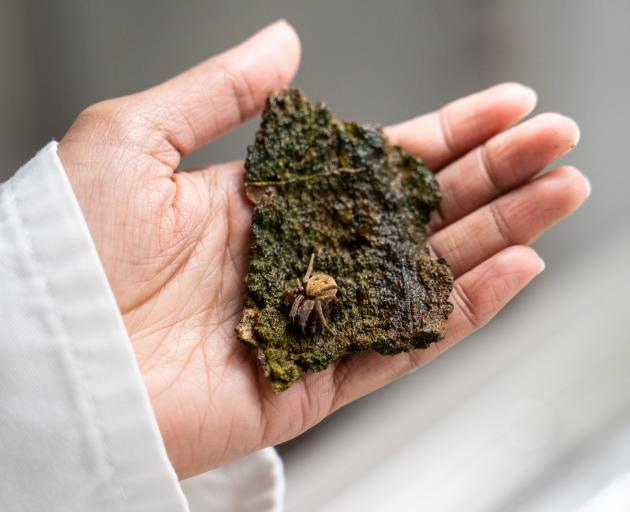
A fascinating interaction between parasitic worms and spiders has captured the attention of researchers at Lincoln University. PhD student Usha Mendis is investigating how these parasitic nematodes, known as mermithids, manipulate spiders, effectively turning them into what can be described as “zombies.” This phenomenon raises significant concerns about the balance of local ecosystems, particularly in New Zealand, which is home to a high number of endemic spider species.
Mendis’s research focuses on understanding the lifecycle of the mermithids and their impact on various invertebrate species, including spiders, caddisflies, mayflies, and grasshoppers. So far, she has identified three different types of spiders affected by these parasites. The presence of mermithids poses a substantial threat to biodiversity, as over 90% of New Zealand’s spider population is endemic. Mendis emphasizes the critical role spiders play in the food chain, stating, “When the worms take over, it flips that idea on its head.”
The process by which mermithids infect spiders is both slow and lethal. Infected spiders exhibit distinct physical changes, such as enlarged limbs and swollen abdomens, which Mendis likens to a “zombie” appearance. While researchers can observe these abnormalities, the only definitive sign of infection is the emergence of the nematode, which occurs post-mortem.
The exact mechanism by which mermithids enter their spider hosts remains unclear. According to Mendis, the nematodes rely on spiders for energy and nutrients, driving them towards moisture-rich environments essential for their growth and reproduction. “They consume the energy and nutrients of the host,” she explains. The need for water leads to an alarming trend: spiders often found drowned due to their compulsion to seek out moist conditions.
Mendis is employing water traps to collect the nematodes and is working to deepen the understanding of their relationship with spiders. Although mermithids were first reported in New Zealand just 35 years ago, much remains to be uncovered about their lifecycle and impact on local ecosystems.
As this research unfolds, Mendis urges the public to reconsider their perceptions of spiders. “Spiders may look disruptive and creepy, but they’re not the enemy,” she asserts. “They’ve got their own problems to deal with.” This perspective is crucial as the ecological balance hinges on the survival of these often-overlooked creatures.

Mel Eaton Celebrates First Solo Exhibition in Rangiora

Wellington Transit System Upgrades: Mobile Payments Replace Snapper Cards

Researcher Develops Innovative Cancer Detection Tool Fueled by Friendship

Alice Robinson Dominates Giant Slalom in Canada for Sixth Win

New Zealand Navy Monitored by Chinese Warships During Patrol

Business Owners Discuss Suburban Success and City Changes

Capture the Holiday Spirit with Santa Photos in Warkworth

Te Pāti Māori AGM Highlights Leadership Challenges and Unity

South Island Researcher Advances Cancer Diagnosis with Innovative Tool

Test Your Knowledge: Take the Herald’s Afternoon Quiz Today

PM Faces Backlash from Fans During Netball Trophy Ceremony

Dunedin Designers Win Top Award at Hokonui Fashion Event

Experience the Excitement of ‘Chief of War’ in Oʻahu

Liam Lawson Launches New Era for Racing Bulls with Strong Start

Coalition Forms to Preserve Māori Wards in Hawke’s Bay

Disney Fan Reveals Dress Code Tips for Park Visitors

Walking Faster Offers Major Health Benefits for Older Adults

Scots Rally with Humor and Music to Protest Trump’s Visit
-
 World4 months ago
Test Your Knowledge: Take the Herald’s Afternoon Quiz Today
-
 Sports4 months ago
PM Faces Backlash from Fans During Netball Trophy Ceremony
-
 Lifestyle4 months ago
Dunedin Designers Win Top Award at Hokonui Fashion Event
-
 Entertainment4 months ago
Experience the Excitement of ‘Chief of War’ in Oʻahu
-
 Sports4 months ago
Liam Lawson Launches New Era for Racing Bulls with Strong Start
-
 World5 months ago
Coalition Forms to Preserve Māori Wards in Hawke’s Bay
-
 Lifestyle4 months ago
Disney Fan Reveals Dress Code Tips for Park Visitors
-
 Health4 months ago
Walking Faster Offers Major Health Benefits for Older Adults
-
 Politics4 months ago
Scots Rally with Humor and Music to Protest Trump’s Visit
-

 Top Stories5 months ago
UK and India Finalize Trade Deal to Boost Economic Ties
-

 Health2 months ago
Radio Host Jay-Jay Feeney’s Partner Secures Visa to Stay in NZ
-

 World5 months ago
Huntly Begins Water Pipe Flushing to Resolve Brown Water Issue