
Business
Supreme Court Ruling on Uber Drivers Sparks Gig Economy Concerns

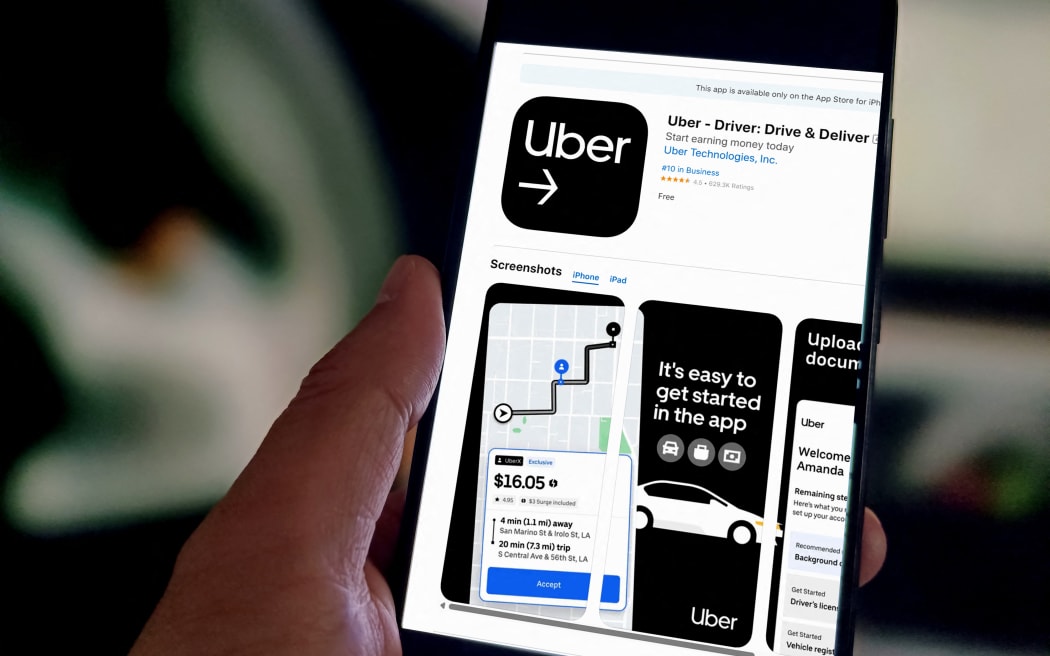
A recent decision by the Supreme Court of New Zealand has determined that Uber drivers are classified as employees rather than independent contractors. This unanimous ruling has raised alarms among business groups, who warn that it could have devastating effects on the gig economy.
The Supreme Court’s ruling comes as it rejected Uber’s appeal against a 2022 Employment Court decision that classified drivers using the app as employees of the company. This classification affects not only Uber but also other businesses that operate under similar contractor models.
Implications for the Gig Economy
Katherine Rich, chief executive of BusinessNZ, expressed deep concerns regarding the ruling. She emphasized that the implications of the decision extend far beyond Uber, potentially undermining the operational frameworks of various businesses that rely on contractors. “These types of businesses have become a part of our work and leisure, and are founded on a contractor model,” she stated. Rich warned that if the employment status of platform workers becomes overly rigid, the conveniences that consumers have come to expect could disappear.
Rich also highlighted the need for immediate government action to provide clarity in this evolving landscape. “If it isn’t resolved soon, it has the potential to make not just platform work unviable in New Zealand, but puts contracting employment in general at risk,” she said.
The Employers and Manufacturers Association, closely aligned with BusinessNZ, echoed these sentiments. Head of advocacy Alan McDonald noted that the Supreme Court’s decision illustrates a pressing need for updates to New Zealand’s employment laws. “It highlights how our current legislation, and legislation around the world, is a bit out of date in terms of how we manage platform working,” he remarked.
Call for Legislative Revisions
McDonald pointed out that many of the legal precedents cited in the Supreme Court’s judgement are outdated, with some predating the rise of platform-based work. He indicated that the current legislation struggles to accommodate the realities of modern work practices. “We’ve got legislation that doesn’t know how to deal with this, so we’ve jammed new style working practices into old school legislation,” he explained.
Concerns about the distinction between contractors and employees have intensified in light of this ruling. McDonald noted that businesses were eager for clearer definitions of contractor status. “Everyone was keeping an eye on the Uber decision, but also wanted some more clarity around how you actually define what a contractor is because it’s pretty grey at the moment,” he said.
There is hope that the forthcoming Employment Relations Amendment Bill, led by Workplace Relations Minister Brooke van Velden, will provide the necessary clarity. McDonald stated, “I think it will give the clarity employers want. You need definitions that are clear.” He further explained that the proposed law would establish firm guidelines, making it more difficult for individuals to shift from contractor to employee status arbitrarily.
As this situation develops, the implications for the gig economy and the broader landscape of contracting in New Zealand remain to be seen. The potential for significant changes looms, leading many to speculate about the future of flexible work arrangements in the country.

New Zealand Breakers Secure Playoff Spot with Key Victory

Two Injured in Jet Boat Collision on Tauwharenīkau River

Tasman Steel Reports $41 Million Loss Amid Rising Costs

Tasman Steel Reports $41 Million Net Loss Amid Rising Costs

News Fix Highlights Key Events Across News, Politics, and Sports

New Zealand’s Happiness Tied to Community Meals and Altruism

Auckland FC Triumphs Over Wellington Phoenix in Kiwi A-League Derby

Former Police Commissioner Claims Politicians Knew of Misconduct

Wellington’s Airhorn Show Delivers Unconventional Comedy Experience

Test Your Knowledge: Take the Herald’s Afternoon Quiz Today

PM Faces Backlash from Fans During Netball Trophy Ceremony

Dunedin Designers Win Top Award at Hokonui Fashion Event

Experience the Excitement of ‘Chief of War’ in Oʻahu

Liam Lawson Launches New Era for Racing Bulls with Strong Start

Coalition Forms to Preserve Māori Wards in Hawke’s Bay

Walking Faster Offers Major Health Benefits for Older Adults

Disney Fan Reveals Dress Code Tips for Park Visitors

Scots Rally with Humor and Music to Protest Trump’s Visit
-
 World4 months ago
Test Your Knowledge: Take the Herald’s Afternoon Quiz Today
-
 Sports4 months ago
PM Faces Backlash from Fans During Netball Trophy Ceremony
-
 Lifestyle4 months ago
Dunedin Designers Win Top Award at Hokonui Fashion Event
-
 Entertainment4 months ago
Experience the Excitement of ‘Chief of War’ in Oʻahu
-
 Sports4 months ago
Liam Lawson Launches New Era for Racing Bulls with Strong Start
-
 World5 months ago
Coalition Forms to Preserve Māori Wards in Hawke’s Bay
-
 Health4 months ago
Walking Faster Offers Major Health Benefits for Older Adults
-
 Lifestyle4 months ago
Disney Fan Reveals Dress Code Tips for Park Visitors
-
 Politics4 months ago
Scots Rally with Humor and Music to Protest Trump’s Visit
-

 Top Stories5 months ago
UK and India Finalize Trade Deal to Boost Economic Ties
-

 Health2 months ago
Radio Host Jay-Jay Feeney’s Partner Secures Visa to Stay in NZ
-

 World5 months ago
Huntly Begins Water Pipe Flushing to Resolve Brown Water Issue