
World
Whistleblowers Raise Alarming Concerns Over Intelligence Risks

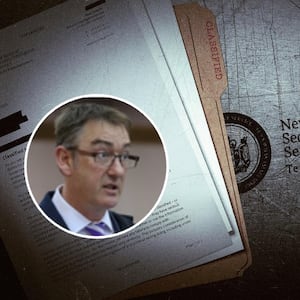
Concerns regarding health and safety risks in intelligence operations have emerged following disclosures from whistleblowers within the intelligence community. This marks the first known application of the Whistleblower Protection Act in a context concerning operational safety, raising significant questions about the welfare of employees in sensitive positions.
In a recent statement, whistleblowers outlined their apprehensions about potential dangers associated with covert operations. These concerns have been validated by independent assessments that suggest existing protocols may not adequately safeguard personnel, particularly in high-stakes situations. The revelations have prompted calls for a thorough review of safety measures within agencies such as the National Security Agency (NSA) and the Central Intelligence Agency (CIA).
Health Risks and Operational Integrity
The whistleblowers highlighted a range of health risks tied to operational environments, including exposure to hazardous materials and psychological stress. These issues are critical as intelligence professionals often work under extreme pressure and in unpredictable circumstances. The lack of robust health and safety protocols may compromise not only individual well-being but also the overall effectiveness of intelligence operations.
According to an internal report from the Intelligence Community, nearly 40% of personnel have expressed concerns about their health and safety while on duty. This statistic underscores the urgency of addressing these issues to enhance both employee welfare and operational integrity. The report was released in March 2024, following a series of confidential meetings where concerns were voiced.
The implications of these findings extend beyond the immediate health of intelligence officers. Legal experts argue that the disclosure of these risks could result in greater scrutiny of agencies’ operational practices. Increased public awareness may lead to demands for transparency and accountability, potentially reshaping how intelligence organizations function.
Legal Protections and Future Steps
The application of the Whistleblower Protection Act signifies a pivotal moment for intelligence personnel. It offers critical legal safeguards that empower employees to report unsafe conditions without fear of retaliation. Legal analysts suggest that this could encourage more whistleblowers to come forward, fostering a culture of safety and accountability within the intelligence community.
As discussions continue, agency leaders are urged to take proactive measures. This includes implementing comprehensive health and safety training programs, reviewing existing protocols, and establishing mental health support systems for employees. The goal is to create an environment where employees feel secure in their roles, knowing their health and well-being are prioritized.
The situation remains fluid, and further developments are expected as agencies respond to the whistleblower concerns. Lawmakers are also considering potential legislative changes to enhance protections for intelligence workers, ensuring that their rights and safety are safeguarded.
The ongoing discourse around whistleblower protections signals a crucial shift in how intelligence agencies address the realities of their operations. With a growing emphasis on health and safety, the conversation is likely to evolve, affecting not just current practices but also the future of intelligence work on a global scale.

Can You Solve Today’s Hard Word Challenge in One Minute?

Ngira Simmonds Challenges Leadership at Te Pāti Māori AGM

Breakthrough Cancer Research Inspired by Childhood Friend’s Battle

Black Ferns Sevens Reach Cape Town Final; All Blacks Sevens Fall Short

Auckland Refuge Struggles to Meet Surging Demand for Shelter

Ladies’ Lunch Dates: A Recipe for Rejuvenation and Connection

Challenge Your Vocabulary: Solve Today’s Hard Word Puzzle

Ngira Simmonds Questions Leadership at Te Pāti Māori AGM

Researcher Advances Cancer Diagnosis with Innovative Device

Test Your Knowledge: Take the Herald’s Afternoon Quiz Today

PM Faces Backlash from Fans During Netball Trophy Ceremony

Dunedin Designers Win Top Award at Hokonui Fashion Event

Experience the Excitement of ‘Chief of War’ in Oʻahu

Liam Lawson Launches New Era for Racing Bulls with Strong Start

Coalition Forms to Preserve Māori Wards in Hawke’s Bay

Walking Faster Offers Major Health Benefits for Older Adults

Disney Fan Reveals Dress Code Tips for Park Visitors

Scots Rally with Humor and Music to Protest Trump’s Visit
-
 World4 months ago
Test Your Knowledge: Take the Herald’s Afternoon Quiz Today
-
 Sports4 months ago
PM Faces Backlash from Fans During Netball Trophy Ceremony
-
 Lifestyle4 months ago
Dunedin Designers Win Top Award at Hokonui Fashion Event
-
 Entertainment4 months ago
Experience the Excitement of ‘Chief of War’ in Oʻahu
-
 Sports4 months ago
Liam Lawson Launches New Era for Racing Bulls with Strong Start
-
 World5 months ago
Coalition Forms to Preserve Māori Wards in Hawke’s Bay
-
 Health4 months ago
Walking Faster Offers Major Health Benefits for Older Adults
-
 Lifestyle4 months ago
Disney Fan Reveals Dress Code Tips for Park Visitors
-
 Politics4 months ago
Scots Rally with Humor and Music to Protest Trump’s Visit
-

 Top Stories5 months ago
UK and India Finalize Trade Deal to Boost Economic Ties
-

 Health2 months ago
Radio Host Jay-Jay Feeney’s Partner Secures Visa to Stay in NZ
-

 World5 months ago
Huntly Begins Water Pipe Flushing to Resolve Brown Water Issue