
Politics
National Party Proposes Increased KiwiSaver Contributions to 12%

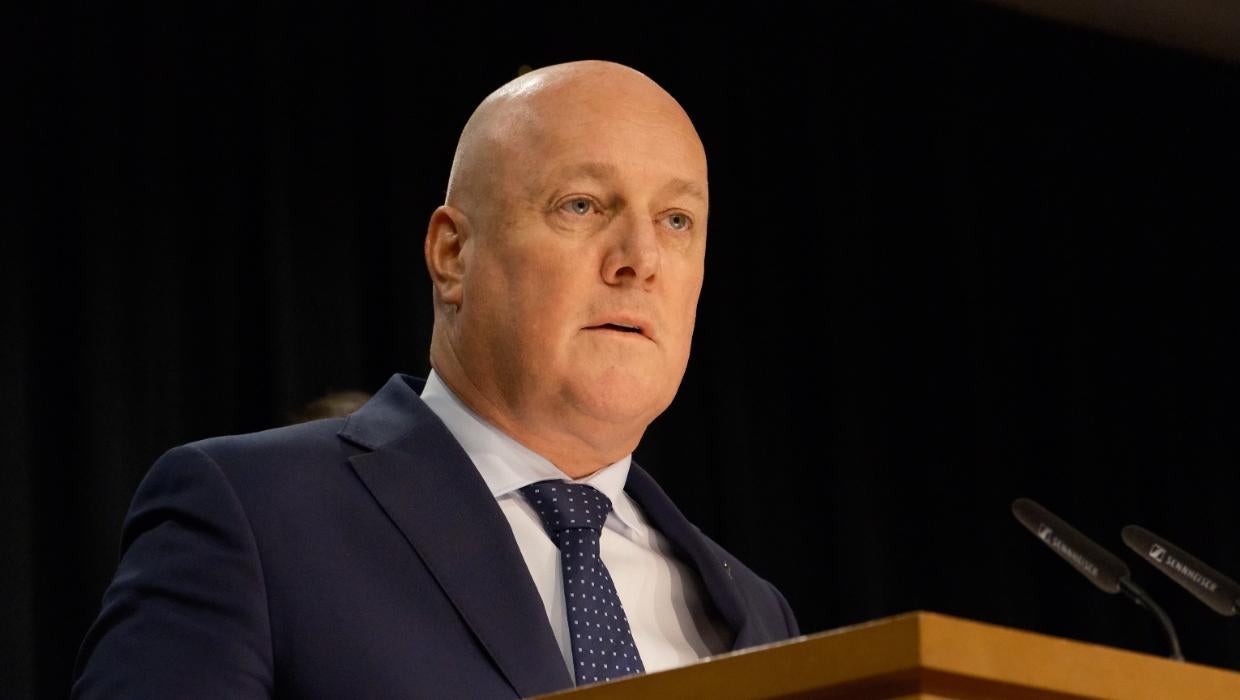
The National Party of New Zealand has unveiled a proposal to double KiwiSaver contribution rates to 12%, with the goal of addressing retirement savings concerns among New Zealanders. The new policy, announced by former cabinet minister Simon Power, suggests a shift to a 6% contribution from employees matched by another 6% from employers. This significant increase from the current 3%+3% contribution has sparked discussions about the future of retirement funding in the country.
Current retirement income in New Zealand presents challenges. According to government data, approximately 40% of retirees rely solely on NZ Super, while another 20% receive only an additional $100 per week. This means that 60% of retirees are struggling financially in their later years. Raising the contribution rate to 12% would align New Zealand more closely with Australia and some European nations, which are perceived as having more robust retirement systems.
The financial impact of contribution rates is significant. While many New Zealanders focus on securing high returns from their KiwiSaver accounts, the amount contributed plays a crucial role in determining the final retirement balance. Martin Hawes, a financial writer and author, emphasizes that increasing contributions is likely to have a more substantial effect on retirement savings than seeking higher returns.
Currently, many employees in New Zealand do not contribute the full amount, and self-employed individuals often forgo KiwiSaver altogether. The proposed increase to 6%+6% raises concerns about affordability, as both employees and employers may struggle with the additional financial burden. If implemented, this policy could create a wider gap between those who can afford to contribute and those who cannot.
The discussion around compulsion in retirement savings is also gaining traction. Australia introduced compulsory superannuation in 1992, which has led to improved savings rates among its citizens. Without a similar system in New Zealand, many retirees may continue to face poverty in their later years.
Hawes advocates for a gradual implementation of the proposed contribution increase, suggesting a timeline of at least 12 years to ease the transition for low-income earners and businesses. This gradual approach would mirror Australia’s experience, where the contribution rate increased from 9% to 12% over a substantial period.
New Zealanders have historically shown resistance to compulsory measures. The memory of the third Labour government’s attempt to establish a compulsory superannuation scheme in the 1970s still lingers. The subsequent election of Sir Robert Muldoon brought an end to that initiative, leaving many to wonder how today’s retirement landscape might differ had that policy been maintained.
As discussions continue, the need for a comprehensive approach to retirement savings becomes increasingly clear. Raising contribution rates, potentially introducing compulsion, and fostering public discourse on these issues will be vital to ensuring a secure financial future for all New Zealanders.

Can You Solve Today’s Hard Word Challenge in One Minute?

Ngira Simmonds Challenges Leadership at Te Pāti Māori AGM

Breakthrough Cancer Research Inspired by Childhood Friend’s Battle

Black Ferns Sevens Reach Cape Town Final; All Blacks Sevens Fall Short

Auckland Refuge Struggles to Meet Surging Demand for Shelter

Ladies’ Lunch Dates: A Recipe for Rejuvenation and Connection

Challenge Your Vocabulary: Solve Today’s Hard Word Puzzle

Ngira Simmonds Questions Leadership at Te Pāti Māori AGM

Researcher Advances Cancer Diagnosis with Innovative Device

Test Your Knowledge: Take the Herald’s Afternoon Quiz Today

PM Faces Backlash from Fans During Netball Trophy Ceremony

Dunedin Designers Win Top Award at Hokonui Fashion Event

Experience the Excitement of ‘Chief of War’ in Oʻahu

Liam Lawson Launches New Era for Racing Bulls with Strong Start

Coalition Forms to Preserve Māori Wards in Hawke’s Bay

Walking Faster Offers Major Health Benefits for Older Adults

Disney Fan Reveals Dress Code Tips for Park Visitors

Scots Rally with Humor and Music to Protest Trump’s Visit
-
 World4 months ago
Test Your Knowledge: Take the Herald’s Afternoon Quiz Today
-
 Sports4 months ago
PM Faces Backlash from Fans During Netball Trophy Ceremony
-
 Lifestyle4 months ago
Dunedin Designers Win Top Award at Hokonui Fashion Event
-
 Entertainment4 months ago
Experience the Excitement of ‘Chief of War’ in Oʻahu
-
 Sports4 months ago
Liam Lawson Launches New Era for Racing Bulls with Strong Start
-
 World5 months ago
Coalition Forms to Preserve Māori Wards in Hawke’s Bay
-
 Health4 months ago
Walking Faster Offers Major Health Benefits for Older Adults
-
 Lifestyle4 months ago
Disney Fan Reveals Dress Code Tips for Park Visitors
-
 Politics4 months ago
Scots Rally with Humor and Music to Protest Trump’s Visit
-

 Top Stories5 months ago
UK and India Finalize Trade Deal to Boost Economic Ties
-

 Health2 months ago
Radio Host Jay-Jay Feeney’s Partner Secures Visa to Stay in NZ
-

 World5 months ago
Huntly Begins Water Pipe Flushing to Resolve Brown Water Issue