
Business
Liquidator Investigates Wishbone for Possible Insolvency Violations

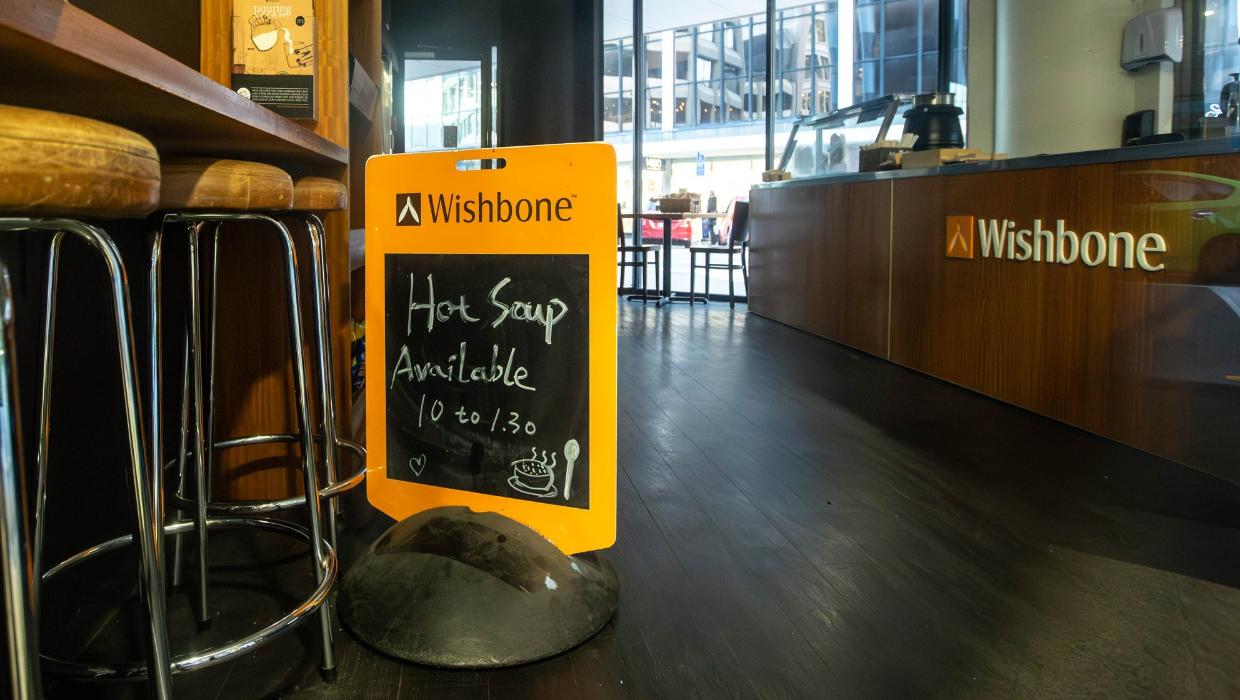
The ongoing liquidation process of Wishbone has raised serious concerns regarding the company’s financial practices. A recent report from the appointed liquidator, Mohammed Jan, suggests that directors may face legal action for potentially trading while insolvent for several months leading up to the liquidation. During this period, the company accumulated debts it could not repay, amounting to over $6.8 million at the time of its closure.
Jan’s investigation will focus on whether payments made to certain creditors and related parties during the insolvency period can be deemed voidable. According to legal standards, any payments made while a company is insolvent may be clawed back by the liquidator.
Background on Wishbone’s Operations and Liquidation
Founded by husband and wife team Andrea Gibson Scarlett and Shayne Scarlett, Wishbone operated successfully for 24 years before its holding company, the Woodward Group, was placed into liquidation in August 2023. The founders, both accountants, previously established several successful ventures, including the award-winning Woodward Restaurant and Cafe Minnow.
Before its liquidation, Wishbone was a well-known name in the food service sector, boasting 23 locations and employing over 100 staff members. The company was celebrated for its gourmet lunch offerings, even earning a spot on the Deloitte Fast 50 list in 2003 as one of the fastest-growing companies in the country. Its most profitable site was located in Wellington Hospital, where it supplied ready-made meals to various wholesale clients.
At the time of liquidation, the company owed a range of creditors, with Inland Revenue being the most significant preferential creditor, owed $462,640.16. Additionally, 86 staff members were owed $339,961.44, while three secured creditors claimed $4.1 million and unsecured creditors were due $1.9 million.
Challenges and Market Pressures
Despite its robust history, Wishbone faced significant challenges that contributed to its downfall. The COVID-19 pandemic severely impacted trade, particularly as more individuals began working from home, leading to a decline in foot traffic at its locations. Compounding these issues were soaring input costs in the post-pandemic economy, further straining the company’s financial health.
Jan’s report indicates that approximately $400,000 in assets have been liquidated, with no further assets available for realization. The liquidator considered continuing operations at the Wellington Hospital site to maintain goodwill but ultimately lacked the necessary resources. Several interested buyers were introduced to the hospital, but the hospital’s stringent food policies and expired licensing complicated potential sales.
“The hospital did not approve these buyers as they did not have a proven history or food policy,”
Jan noted in his report. He emphasized that the hospital preferred to initiate a new tender process instead.
As investigations continue, the future remains uncertain for the directors of Wishbone and the numerous creditors awaiting resolution of their claims. The outcome of these inquiries may not only impact those directly involved but could also serve as a cautionary tale for other businesses navigating the complexities of financial management in challenging market conditions.

Suzuki International Series Kicks Off Exciting Racing Season in Taupō

Controversial Flag Exhibition Invites Public Engagement in Hastings

Man Charged After Allegedly Swallowing $33,500 Pendant in Auckland

Skyline Queenstown Expands Dining Capacity with $200 Million Upgrade

Inside Santa’s Training School: Crafting a 40-Strong Elf Crew

Mike King Calls for Focus on Constituents After Audit Clears Contract

Craig Greenfield Inspires Change for Vulnerable Youth Globally

England’s Stokes and Team Criticized for Scooter Safety Violations

Black Caps Begin Home Test Summer Against West Indies in Christchurch

Test Your Knowledge: Take the Herald’s Afternoon Quiz Today

PM Faces Backlash from Fans During Netball Trophy Ceremony

Dunedin Designers Win Top Award at Hokonui Fashion Event

Liam Lawson Launches New Era for Racing Bulls with Strong Start

Experience the Excitement of ‘Chief of War’ in Oʻahu

Coalition Forms to Preserve Māori Wards in Hawke’s Bay

Disney Fan Reveals Dress Code Tips for Park Visitors

Walking Faster Offers Major Health Benefits for Older Adults

Scots Rally with Humor and Music to Protest Trump’s Visit
-
 World4 months ago
Test Your Knowledge: Take the Herald’s Afternoon Quiz Today
-
 Sports4 months ago
PM Faces Backlash from Fans During Netball Trophy Ceremony
-
 Lifestyle4 months ago
Dunedin Designers Win Top Award at Hokonui Fashion Event
-
 Sports4 months ago
Liam Lawson Launches New Era for Racing Bulls with Strong Start
-
 Entertainment4 months ago
Experience the Excitement of ‘Chief of War’ in Oʻahu
-
 World4 months ago
Coalition Forms to Preserve Māori Wards in Hawke’s Bay
-
 Lifestyle4 months ago
Disney Fan Reveals Dress Code Tips for Park Visitors
-
 Health4 months ago
Walking Faster Offers Major Health Benefits for Older Adults
-
 Politics4 months ago
Scots Rally with Humor and Music to Protest Trump’s Visit
-

 Top Stories4 months ago
UK and India Finalize Trade Deal to Boost Economic Ties
-

 Health2 months ago
Radio Host Jay-Jay Feeney’s Partner Secures Visa to Stay in NZ
-

 World4 months ago
Huntly Begins Water Pipe Flushing to Resolve Brown Water Issue