
Lifestyle
Indian Brides Embrace Real Gold Amid Shifting Fashion Trends

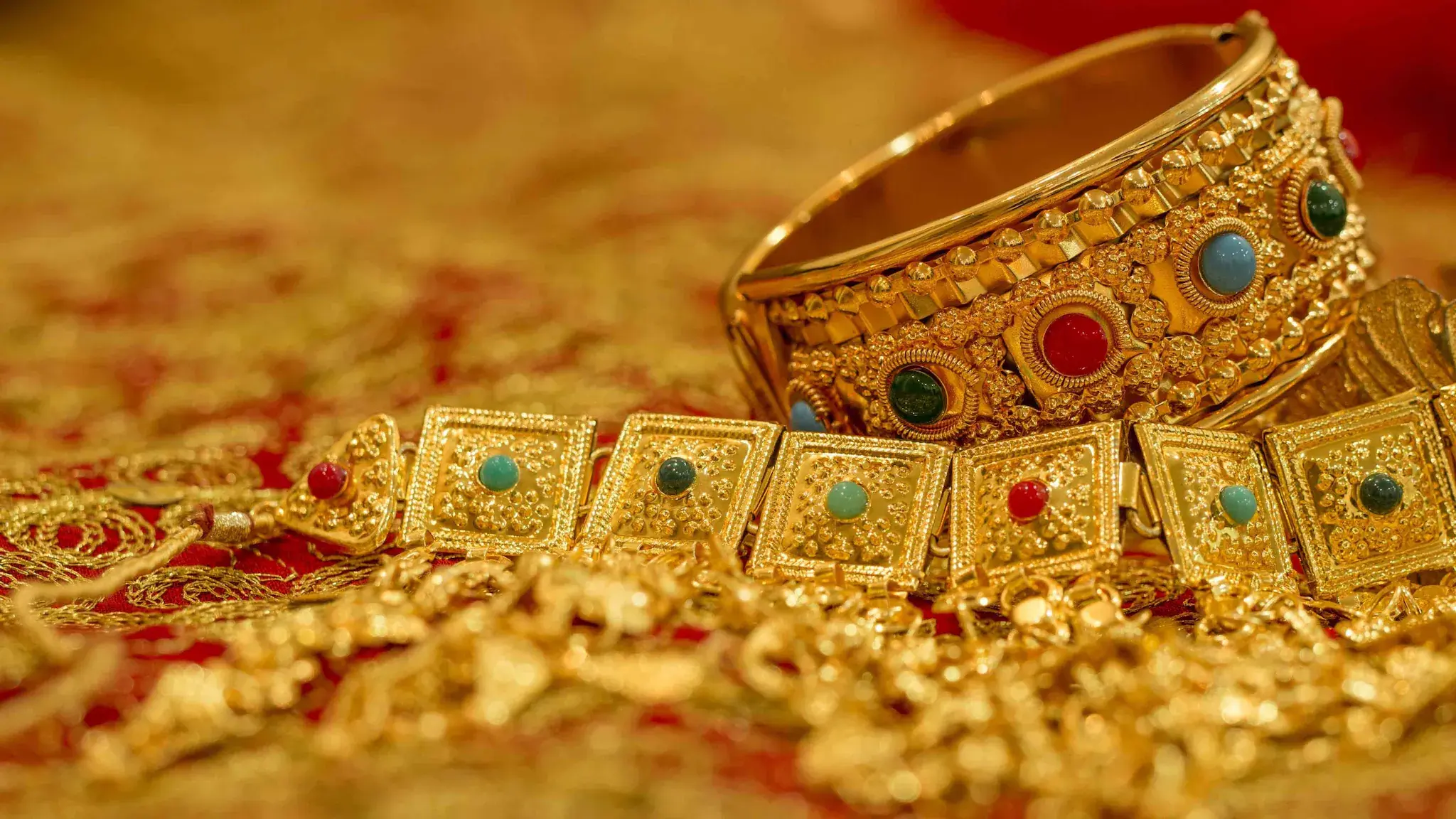
The demand for gold in India remains robust, particularly among brides, as the country continues to prioritize genuine gold over synthetic alternatives. In stark contrast to the global shift towards fast fashion, Indian culture upholds gold as a symbol of prosperity, purity, and familial blessings. This commitment serves as a powerful statement against the fleeting nature of contemporary consumerism.
In India, gold is often viewed as a sacred and vibrant element—one that carries good fortune and embodies deep emotional significance. For many, opting for imitation jewelry is akin to undermining the sanctity of cherished traditions. Gold’s enduring presence in Indian life arises from its intersection of economics, emotion, and cultural heritage. As the nation stands as one of the largest consumers of gold globally, with annual demand between 700 and 800 tonnes, nearly half of this consumption is attributed to the wedding industry.
Bridal gold is more than an accessory; it is a representation of economic security and familial ties. The adorned bride symbolizes not just beauty but also a tangible connection to her heritage. Interestingly, even modern brides from the Gen Z demographic—who are perceived as detached from traditional values—find it challenging to resist the allure of real gold.
Changing Trends in Gold Consumption
As tastes evolve, goldsmiths in India are adapting to contemporary preferences. They are creating modern, lightweight designs in various gold purities such as 14K, 18K, and 22K, ensuring that the importance of gold remains prominent in both traditional and casual settings. Once a privilege reserved for royalty and temples, gold jewelry is now accessible in fashionable formats, reflecting its adaptability without compromising its essence.
According to the World Gold Council, India’s total gold consumption rose to 802.8 tonnes in 2024, marking a 5% increase from 761 tonnes in 2023. The total value of gold demand also surged to approximately ₹5,15,390 crore, representing a substantial 31% year-on-year increase. Although the quantity of jewelry demand fell slightly—from 575.8 tonnes in 2023 to 563.4 tonnes in 2024—the value of this jewelry grew by 22%. This trend indicates that despite rising prices, consumers still favor authentic gold over alternatives.
Looking ahead, the World Gold Council estimates that gold demand in India will stabilize between 700 and 800 tonnes by 2025, influenced by high prices and anticipated market volatility. This perspective suggests that when families invest in gold—whether for weddings or as a financial asset—they are acquiring more than mere decorative items. They are securing a historically valuable asset that continues to provide emotional and financial stability.
Even amid record-high prices and economic uncertainties, gold maintains its appeal in India, serving as both a cultural heritage and a reliable hedge against inflation. This ongoing demand underscores gold’s unique position as a cherished symbol and a sound investment, affirming its status in Indian society despite the broader global trends toward temporary and synthetic adornments.

US Federal Reserve Faces Divisions Over Interest Rate Cuts

Prince Harry Reflects on Royal Life with Humorous ‘Downton Abbey’ Comparison

McInnes Claims Qatar Off-Road Championship Title in Thrilling Finale

Challenge Your Vocabulary with Today’s Hard Word Quiz

Ngira Simmonds Critiques Leadership at Te Pāti Māori AGM

South Island Researcher Fights Cancer with Innovative Blood Test

One NZ Enhances Customer Service with 31 AI Agents

Kids Test Knowledge with Fun Kangaroo Quiz on December 7

Recognizing the Signs That Indicate You Need Iron Supplements

Test Your Knowledge: Take the Herald’s Afternoon Quiz Today

PM Faces Backlash from Fans During Netball Trophy Ceremony

Dunedin Designers Win Top Award at Hokonui Fashion Event

Experience the Excitement of ‘Chief of War’ in Oʻahu

Liam Lawson Launches New Era for Racing Bulls with Strong Start

Coalition Forms to Preserve Māori Wards in Hawke’s Bay

Walking Faster Offers Major Health Benefits for Older Adults

Disney Fan Reveals Dress Code Tips for Park Visitors

Scots Rally with Humor and Music to Protest Trump’s Visit
-
 World4 months ago
Test Your Knowledge: Take the Herald’s Afternoon Quiz Today
-
 Sports4 months ago
PM Faces Backlash from Fans During Netball Trophy Ceremony
-
 Lifestyle4 months ago
Dunedin Designers Win Top Award at Hokonui Fashion Event
-
 Entertainment4 months ago
Experience the Excitement of ‘Chief of War’ in Oʻahu
-
 Sports4 months ago
Liam Lawson Launches New Era for Racing Bulls with Strong Start
-
 World5 months ago
Coalition Forms to Preserve Māori Wards in Hawke’s Bay
-
 Health4 months ago
Walking Faster Offers Major Health Benefits for Older Adults
-
 Lifestyle4 months ago
Disney Fan Reveals Dress Code Tips for Park Visitors
-
 Politics4 months ago
Scots Rally with Humor and Music to Protest Trump’s Visit
-

 Top Stories5 months ago
UK and India Finalize Trade Deal to Boost Economic Ties
-

 Health2 months ago
Radio Host Jay-Jay Feeney’s Partner Secures Visa to Stay in NZ
-

 World5 months ago
Huntly Begins Water Pipe Flushing to Resolve Brown Water Issue