
Top Stories
Victoria University Rejects Renovation Proposal for Hazardous Flats

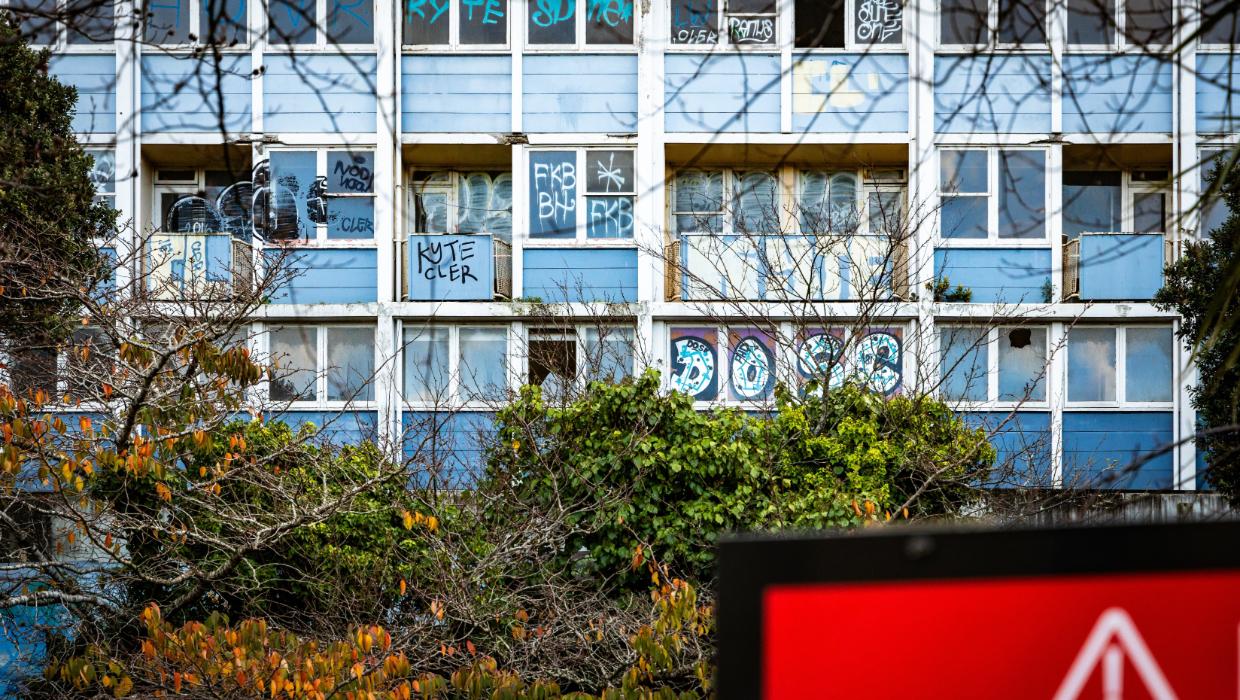
Victoria University of Wellington has dismissed a proposal from architects aimed at restoring a block of flats deemed both “ugly” and “dangerous” due to the presence of lead paint and asbestos. The university’s management stated that the financial implications of the restoration project made it unfeasible.
The block in question, located in the heart of Wellington, has long been criticized for its deteriorating condition and aesthetic shortcomings. Despite the architects’ vision to enhance the area, the university concluded that the estimated costs associated with the renovation would not provide a sufficient return on investment.
Officials at the university highlighted concerns regarding the safety of residents and the broader community. The presence of lead paint and asbestos poses significant health risks, which further influenced their decision to reject the proposal. These hazardous materials have been linked to serious health issues, prompting a call for urgent action.
Financial Viability and Safety Concerns
The university conducted a thorough assessment of the proposed renovation costs versus potential benefits. According to university spokesperson Dr. Sarah Thompson, “We are committed to ensuring the safety and well-being of our students and staff. In this case, the financial viability did not align with our mission to provide a safe learning environment.”
The architects had envisioned transforming the block into modern, livable spaces, but the university determined that addressing the safety hazards would require substantial investment. Initial estimates suggested that remediation efforts could exceed $1 million, a figure that the university found too high relative to the project’s potential benefits.
While the architects expressed disappointment over the decision, they acknowledged the challenges posed by the existing conditions. “Our goal was to revitalize a space that could serve the community better,” said project lead, Mark Reynolds. “The health risks associated with lead paint and asbestos cannot be overlooked.”
Future Plans for the Block
In light of the university’s decision, discussions are now underway to explore alternative uses for the block. The university has indicated that they will consider various options, including potential partnerships with local businesses or community organizations that could address the need for affordable housing.
Wellington City Council has also weighed in on the situation, emphasizing the importance of prioritizing safety in residential buildings. Councilor Emily Chen stated, “We support the university’s decision to prioritize health and safety above all else. It is vital that we create living spaces that are not only functional but also safe for all residents.”
The university plans to engage with stakeholders to gather input on the future of the block. They aim to identify solutions that align with their commitment to sustainability and community well-being.
As discussions continue, the fate of the block remains uncertain, but the university is clear about its priorities: ensuring the health and safety of its community while exploring feasible options for development.

US Federal Reserve Faces Divisions Over Interest Rate Cuts

Prince Harry Reflects on Royal Life with Humorous ‘Downton Abbey’ Comparison

McInnes Claims Qatar Off-Road Championship Title in Thrilling Finale

Challenge Your Vocabulary with Today’s Hard Word Quiz

Ngira Simmonds Critiques Leadership at Te Pāti Māori AGM

South Island Researcher Fights Cancer with Innovative Blood Test

One NZ Enhances Customer Service with 31 AI Agents

Kids Test Knowledge with Fun Kangaroo Quiz on December 7

Recognizing the Signs That Indicate You Need Iron Supplements

Test Your Knowledge: Take the Herald’s Afternoon Quiz Today

PM Faces Backlash from Fans During Netball Trophy Ceremony

Dunedin Designers Win Top Award at Hokonui Fashion Event

Experience the Excitement of ‘Chief of War’ in Oʻahu

Liam Lawson Launches New Era for Racing Bulls with Strong Start

Coalition Forms to Preserve Māori Wards in Hawke’s Bay

Walking Faster Offers Major Health Benefits for Older Adults

Disney Fan Reveals Dress Code Tips for Park Visitors

Scots Rally with Humor and Music to Protest Trump’s Visit
-
 World4 months ago
Test Your Knowledge: Take the Herald’s Afternoon Quiz Today
-
 Sports4 months ago
PM Faces Backlash from Fans During Netball Trophy Ceremony
-
 Lifestyle4 months ago
Dunedin Designers Win Top Award at Hokonui Fashion Event
-
 Entertainment4 months ago
Experience the Excitement of ‘Chief of War’ in Oʻahu
-
 Sports4 months ago
Liam Lawson Launches New Era for Racing Bulls with Strong Start
-
 World5 months ago
Coalition Forms to Preserve Māori Wards in Hawke’s Bay
-
 Health4 months ago
Walking Faster Offers Major Health Benefits for Older Adults
-
 Lifestyle4 months ago
Disney Fan Reveals Dress Code Tips for Park Visitors
-
 Politics4 months ago
Scots Rally with Humor and Music to Protest Trump’s Visit
-

 Top Stories5 months ago
UK and India Finalize Trade Deal to Boost Economic Ties
-

 Health2 months ago
Radio Host Jay-Jay Feeney’s Partner Secures Visa to Stay in NZ
-

 World5 months ago
Huntly Begins Water Pipe Flushing to Resolve Brown Water Issue