
Health
Recognizing the Signs That Indicate You Need Iron Supplements

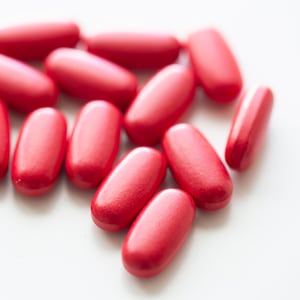
Iron plays a vital role in maintaining overall health, influencing immunity, skin condition, energy levels, and muscle performance. Many individuals are unaware that they may need an iron supplement to address deficiencies. Recognizing the signs of low iron can be crucial for enhancing well-being and preventing health issues.
An estimated **1.62 billion** people worldwide are affected by anemia, a condition often linked to iron deficiency. This statistic, according to the **World Health Organization**, highlights the widespread nature of the issue. Individuals with insufficient iron levels may experience fatigue, weakness, and decreased immunity, leading to increased susceptibility to infections.
Understanding the Importance of Iron
Iron is essential for the production of hemoglobin, which transports oxygen in the blood. A deficiency can result in less oxygen reaching vital organs, causing fatigue and a reduction in physical performance. For athletes and active individuals, maintaining optimal iron levels is particularly crucial, as it directly impacts stamina and recovery.
Symptoms of iron deficiency can vary from person to person. Common signs include unusual tiredness, pale skin, shortness of breath during physical activities, and brittle nails. Individuals may also notice an increase in susceptibility to colds or infections, as iron plays a significant role in supporting immune function.
Who Is Most at Risk?
Certain groups are more prone to iron deficiency, including women, particularly during pregnancy or menstruation, and individuals with dietary restrictions that limit iron-rich foods. Vegetarians and vegans may find it more challenging to obtain adequate iron, as plant-based sources contain non-heme iron, which the body absorbs less efficiently than heme iron found in animal products.
Health professionals recommend assessing dietary intake to determine if iron supplementation is necessary. Rich sources of iron include red meat, poultry, fish, lentils, beans, and fortified cereals. Those struggling to meet their iron requirements through diet alone may benefit from supplements, but these should only be taken after consulting with a healthcare provider.
In recent years, awareness surrounding iron deficiency has increased, prompting more individuals to examine their health and nutritional habits. Simple blood tests can identify low iron levels, allowing for timely intervention.
Addressing iron deficiency not only enhances energy levels but also contributes to better physical performance and improved overall health. By recognizing the signs and understanding the importance of iron, individuals can take proactive steps towards better well-being.

Otago Faces Stiff Challenge on Final Day Against Northern Districts

Top Firms Forecast Strong Returns from Private Equity and Debt

Otago Faces Uphill Battle in Plunket Shield Clash with Northern Districts

Polymarket Surges as Predictions Platform Faces Regulatory Challenges

Josh O’Connor Shines in Dark Comedy Murder Mystery “Wake Up Dead Man”

Journalist Reveals Mental Health Crisis of Perimenopause

Black Ferns Sevens Reach Cape Town Final, All Blacks Sevens Eliminated

Auckland Family Violence Refuge Struggles with Record Demand

Saiyaara Crowned Most Searched Film of 2025 in Google Trends

Test Your Knowledge: Take the Herald’s Afternoon Quiz Today

PM Faces Backlash from Fans During Netball Trophy Ceremony

Dunedin Designers Win Top Award at Hokonui Fashion Event

Experience the Excitement of ‘Chief of War’ in Oʻahu

Liam Lawson Launches New Era for Racing Bulls with Strong Start

Coalition Forms to Preserve Māori Wards in Hawke’s Bay

Walking Faster Offers Major Health Benefits for Older Adults

Disney Fan Reveals Dress Code Tips for Park Visitors

Scots Rally with Humor and Music to Protest Trump’s Visit
-
 World4 months ago
Test Your Knowledge: Take the Herald’s Afternoon Quiz Today
-
 Sports4 months ago
PM Faces Backlash from Fans During Netball Trophy Ceremony
-
 Lifestyle4 months ago
Dunedin Designers Win Top Award at Hokonui Fashion Event
-
 Entertainment4 months ago
Experience the Excitement of ‘Chief of War’ in Oʻahu
-
 Sports4 months ago
Liam Lawson Launches New Era for Racing Bulls with Strong Start
-
 World5 months ago
Coalition Forms to Preserve Māori Wards in Hawke’s Bay
-
 Health4 months ago
Walking Faster Offers Major Health Benefits for Older Adults
-
 Lifestyle4 months ago
Disney Fan Reveals Dress Code Tips for Park Visitors
-
 Politics4 months ago
Scots Rally with Humor and Music to Protest Trump’s Visit
-

 Top Stories5 months ago
UK and India Finalize Trade Deal to Boost Economic Ties
-

 Health2 months ago
Radio Host Jay-Jay Feeney’s Partner Secures Visa to Stay in NZ
-
 World5 months ago
Huntly Begins Water Pipe Flushing to Resolve Brown Water Issue