
Business
Government Announces Moderate Minimum Wage Increase for Workers

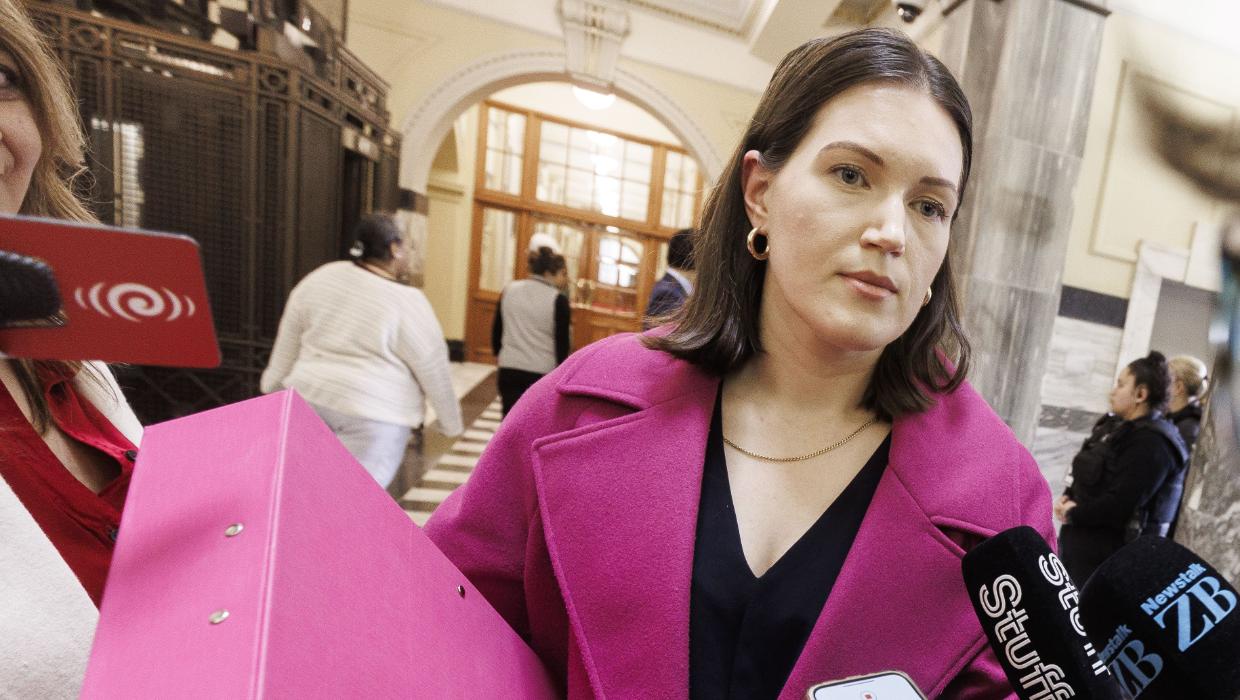
The government has officially announced a moderate increase in the minimum wage, aiming to address both the rising cost of living and the pressures faced by businesses. This adjustment is part of a broader strategy to ensure that workers can maintain a reasonable standard of living while also considering the economic realities that employers encounter.
The new minimum wage will rise from $15.00 to $16.50 per hour, effective from February 1, 2024. This increase of $1.50 per hour reflects an attempt to strike a balance between the needs of employees and the financial capabilities of businesses operating in a challenging economic climate.
Details of the Increase
The decision to raise the minimum wage has garnered mixed reactions from various stakeholders. Advocates for workers argue that the increase is essential for helping families cope with inflation and rising living costs. They emphasize the growing need for wages to keep pace with the increasing prices of everyday goods and services.
On the other hand, some business leaders express concern about the potential impact on their operations. They highlight that while the wage increase is beneficial for employees, it could lead to higher operational costs, potentially resulting in reduced hiring or even job losses in some sectors. The government has responded by stating that the increase is a necessary step to ensure social equity while also considering the economic landscape.
Government’s Rationale
According to a spokesperson for the government, the wage adjustment is designed to promote fairness in the labor market. “We believe this increase will help alleviate some of the financial burdens faced by workers while providing businesses with a manageable framework to adapt,” the spokesperson stated.
The government is committed to reviewing the impact of this wage increase over the coming year to assess its effects on both workers and businesses. They plan to conduct a comprehensive analysis that will inform future adjustments, ensuring that the minimum wage remains responsive to economic conditions.
As the effective date approaches, both employers and employees must prepare for the upcoming changes. Workers will see an increase in their paychecks, while businesses will need to evaluate their financial strategies to accommodate the new wage structure. This moderate wage increase marks a significant moment in labor policy, aiming to foster a balance between economic growth and employee welfare.
In summary, the moderate raise in minimum wage reflects a careful approach by the government to support workers while being mindful of the operational challenges faced by businesses. As the situation evolves, the impact of this decision will be closely monitored to ensure that it meets the needs of both parties in the labor market.

Grave of Titanic Officer’s Wife Restored in Christchurch

Aucklanders Await Decision on Controversial Rubbish Collection Trial

Small Glitches in Video Calls Impact Perceptions Significantly

Eric Murray Impresses with Shot as Fox and Hillier Triumph in Auckland

Interislander Ferry Kaiarahi Returns to Wellington Due to Issues

Eric Murray Delivers Impressive Shot at Auckland Charity Golf Event

Outgoing CEO Matt Crockett Defends Kāinga Ora’s Housing Strategy

Young Journalist Interviews Prime Minister Luxon About Pizza Preferences

Iconic Rotorua Wellness Centre QE Health to Close Permanently

Test Your Knowledge: Take the Herald’s Afternoon Quiz Today

PM Faces Backlash from Fans During Netball Trophy Ceremony

Tongan Star Eli Katoa Shares Recovery Update After Surgery

Dunedin Designers Win Top Award at Hokonui Fashion Event

Experience the Excitement of ‘Chief of War’ in Oʻahu

Liam Lawson Launches New Era for Racing Bulls with Strong Start

Coalition Forms to Preserve Māori Wards in Hawke’s Bay

Walking Faster Offers Major Health Benefits for Older Adults

Disney Fan Reveals Dress Code Tips for Park Visitors
-
 World5 months ago
Test Your Knowledge: Take the Herald’s Afternoon Quiz Today
-
 Sports5 months ago
PM Faces Backlash from Fans During Netball Trophy Ceremony
-
 Top Stories2 weeks ago
Tongan Star Eli Katoa Shares Recovery Update After Surgery
-
 Lifestyle5 months ago
Dunedin Designers Win Top Award at Hokonui Fashion Event
-
 Entertainment5 months ago
Experience the Excitement of ‘Chief of War’ in Oʻahu
-
 Sports5 months ago
Liam Lawson Launches New Era for Racing Bulls with Strong Start
-
 World5 months ago
Coalition Forms to Preserve Māori Wards in Hawke’s Bay
-
 Health5 months ago
Walking Faster Offers Major Health Benefits for Older Adults
-
 Lifestyle5 months ago
Disney Fan Reveals Dress Code Tips for Park Visitors
-

 Politics5 months ago
Scots Rally with Humor and Music to Protest Trump’s Visit
-
 Top Stories5 months ago
UK and India Finalize Trade Deal to Boost Economic Ties
-

 Health3 months ago
Radio Host Jay-Jay Feeney’s Partner Secures Visa to Stay in NZ