
Science
Small Technical Glitches During Video Calls Impact Perceptions

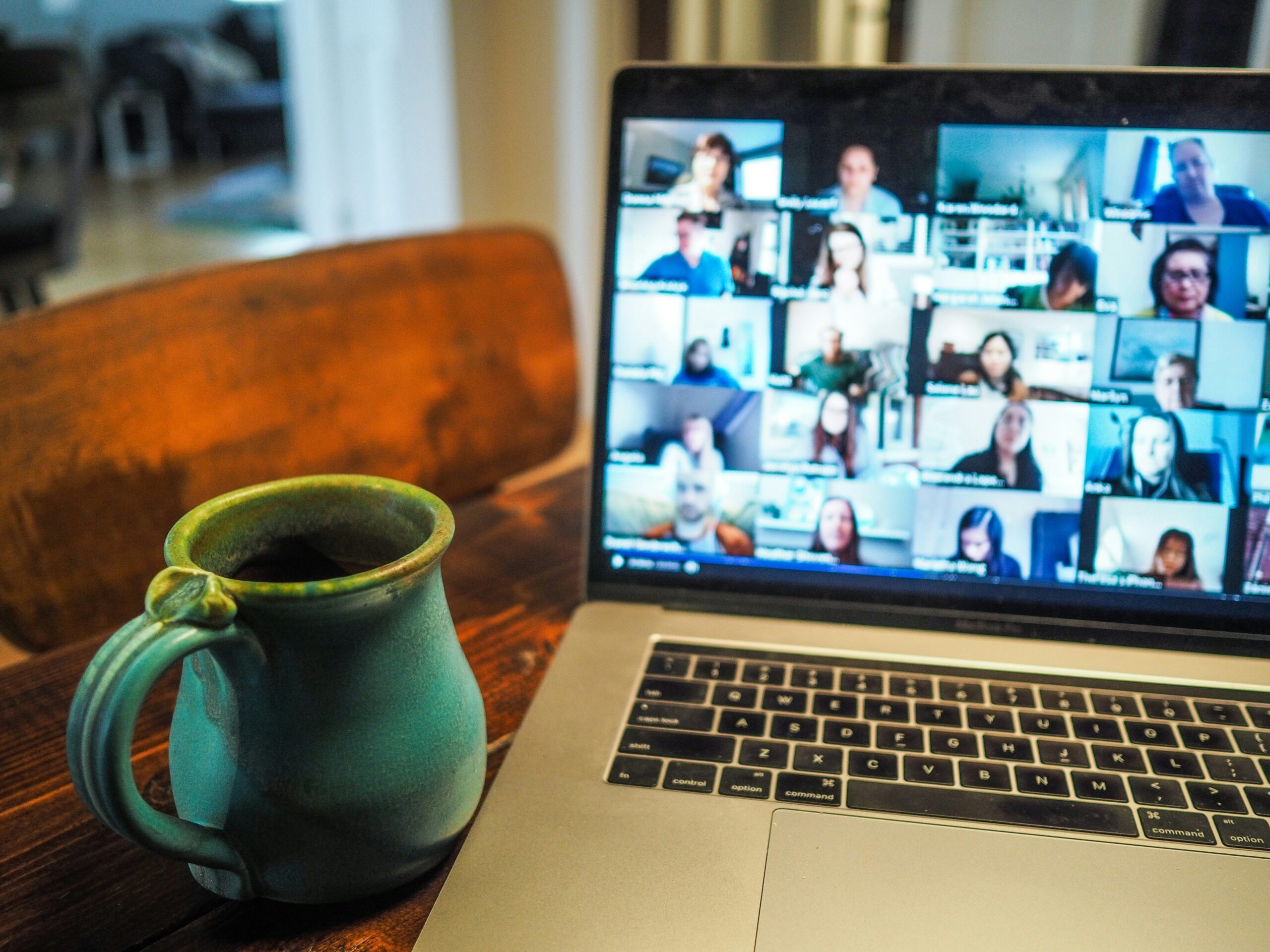
A recent study from Cornell University reveals that even minor technical glitches during video calls can significantly alter participants’ perceptions of one another. Published in the journal Nature, this research highlights the unintended consequences of technological disruptions in virtual communication.
Researchers found that small issues, such as sound interruptions or visual distortions, can evoke feelings of discomfort or unnaturalness. These emotional responses may lead to a decline in trust and judgment, impacting various critical areas. For instance, such glitches can reduce the likelihood of success in job interviews, hinder the effectiveness of digital healthcare consultations, and even influence decisions regarding parole.
In an analysis focused on Kentucky, the study revealed that individuals participating in video calls with technical interference were 12% less likely to be granted parole, irrespective of the nature of their offenses. This finding underscores the broader implications of video communication technology, which is often celebrated as a tool for democratization.
Impacts on Trust and Opportunity
The findings bring to light how video calls, while intended to facilitate equal communication, may inadvertently perpetuate social inequalities. Jacqueline Rifkin, one of the study’s authors, emphasized the dual nature of these technologies. “It’s supposed to be the great equalizer, it’s going to get everybody on the same page — and in a lot of ways, that’s true,” she stated in a press release. “But then there’s this other side: What about the people who don’t have great internet service, and what sorts of opportunities are they missing out on? There are these implicit biases that they don’t even realize are going on.”
The research suggests that the reliability of internet service plays a crucial role in how individuals experience virtual interactions. Those with unstable connections may find themselves at a disadvantage, leading to a potential misjudgment by others during important conversations.
As remote work and digital communications continue to grow, understanding the impact of these technical disturbances becomes increasingly important. The study raises awareness of the need for more equitable access to technology, ensuring that all individuals can participate effectively in digital environments without the fear of being judged unfairly due to technical issues.
The implications resonate across various fields, from healthcare to employment practices, highlighting a pressing need for stakeholders to address these challenges. By recognizing the potential biases introduced by technological glitches, organizations can work towards creating more inclusive and trustworthy digital communication platforms.

Grave of Titanic Officer’s Wife Restored in Christchurch

Aucklanders Await Decision on Controversial Rubbish Collection Trial

Small Glitches in Video Calls Impact Perceptions Significantly

Eric Murray Impresses with Shot as Fox and Hillier Triumph in Auckland

Interislander Ferry Kaiarahi Returns to Wellington Due to Issues

Eric Murray Delivers Impressive Shot at Auckland Charity Golf Event

Outgoing CEO Matt Crockett Defends Kāinga Ora’s Housing Strategy

Young Journalist Interviews Prime Minister Luxon About Pizza Preferences

Iconic Rotorua Wellness Centre QE Health to Close Permanently

Test Your Knowledge: Take the Herald’s Afternoon Quiz Today

PM Faces Backlash from Fans During Netball Trophy Ceremony

Tongan Star Eli Katoa Shares Recovery Update After Surgery

Dunedin Designers Win Top Award at Hokonui Fashion Event

Experience the Excitement of ‘Chief of War’ in Oʻahu

Liam Lawson Launches New Era for Racing Bulls with Strong Start

Coalition Forms to Preserve Māori Wards in Hawke’s Bay

Walking Faster Offers Major Health Benefits for Older Adults

Disney Fan Reveals Dress Code Tips for Park Visitors
-
 World5 months ago
Test Your Knowledge: Take the Herald’s Afternoon Quiz Today
-
 Sports5 months ago
PM Faces Backlash from Fans During Netball Trophy Ceremony
-
 Top Stories2 weeks ago
Tongan Star Eli Katoa Shares Recovery Update After Surgery
-
 Lifestyle5 months ago
Dunedin Designers Win Top Award at Hokonui Fashion Event
-
 Entertainment5 months ago
Experience the Excitement of ‘Chief of War’ in Oʻahu
-
 Sports5 months ago
Liam Lawson Launches New Era for Racing Bulls with Strong Start
-
 World5 months ago
Coalition Forms to Preserve Māori Wards in Hawke’s Bay
-
 Health5 months ago
Walking Faster Offers Major Health Benefits for Older Adults
-
 Lifestyle5 months ago
Disney Fan Reveals Dress Code Tips for Park Visitors
-

 Politics5 months ago
Scots Rally with Humor and Music to Protest Trump’s Visit
-

 Top Stories5 months ago
UK and India Finalize Trade Deal to Boost Economic Ties
-

 Health3 months ago
Radio Host Jay-Jay Feeney’s Partner Secures Visa to Stay in NZ