
Science
Small Glitches in Video Calls Can Undermine Trust and Decisions

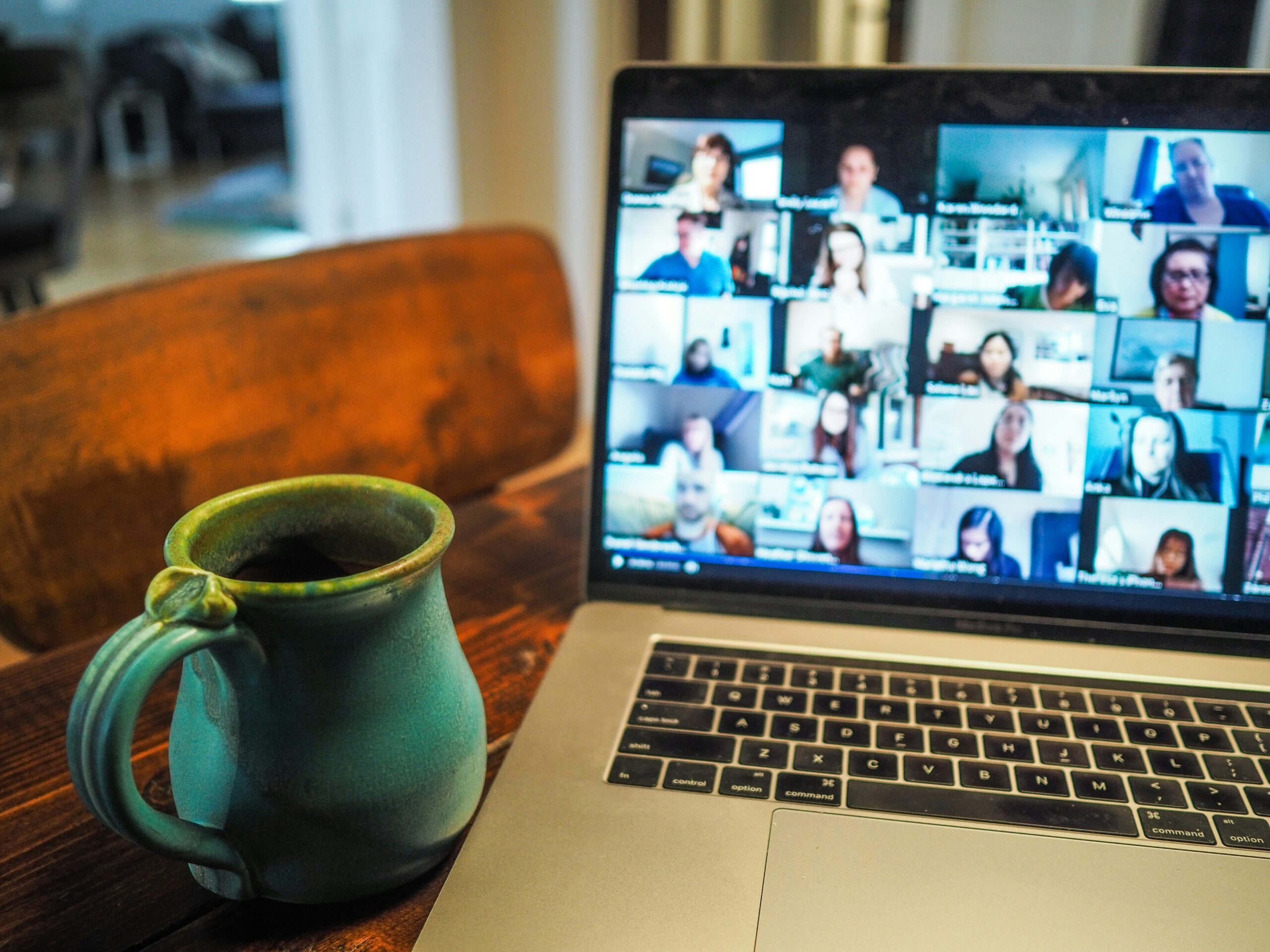
A recent study from Cornell University reveals that even minor technical disruptions during video calls can significantly impact how individuals perceive and judge one another. Published in the journal Nature, this research highlights the unintended consequences that small glitches, such as audio or visual interruptions, can have on trust and decision-making in various contexts, including healthcare, employment, and the judicial system.
The study indicates that disturbances during video calls can create feelings of discomfort and unnaturalness among participants. This is particularly concerning in critical situations, such as consultations with healthcare providers or job interviews, where the perception of professionalism and reliability is essential. For instance, the researchers found that the likelihood of being granted parole in Kentucky decreased by 12% when video calls experienced interference, regardless of the underlying offense.
Jacqueline Rifkin, one of the study’s authors, emphasized the implications of these findings in a recent press release. “It’s supposed to be the great equalizer, it’s going to get everybody on the same page — and in a lot of ways, that’s true,” Rifkin said. “But then there’s this other side: What about the people who don’t have great internet service, and what sorts of opportunities are they missing out on? There are these implicit biases that they don’t even realize are going on.”
The researchers warn that while video conferencing technology is often viewed as a democratizing tool, it can inadvertently reinforce existing social inequalities. Individuals with limited access to reliable internet may face disadvantages in situations where their performance is judged based on these visual and auditory cues. This raises important questions about equity in digital communication, particularly as remote interactions become increasingly commonplace.
Furthermore, the study sheds light on how these technical glitches can erode trust in digital healthcare settings. Patients may feel less confident in their healthcare providers if video calls are plagued by interruptions, potentially leading to poorer health outcomes. This is particularly critical as telehealth continues to expand, especially in light of recent global health challenges.
In summary, the research from Cornell University underscores the significant impact of technical glitches during video calls. The findings suggest that addressing these issues is vital not only for improving communication but also for ensuring fairness and equity in various professional and social contexts. As society becomes more reliant on virtual interactions, understanding and mitigating the effects of these disturbances will be essential in fostering trust and effective communication.

Historic Grave of Titanic Officer’s Wife Restored in New Zealand

Auckland Council to Decide on Controversial Rubbish Collection Trial

Small Glitches in Video Calls Can Undermine Trust and Decisions

Auckland FC Triumphs Over Central Coast Mariners After Own Goal

Interislander Ferry Kaiarahi Returns to Wellington Due to Issues

Auckland FC Triumphs Over Central Coast Mariners After Own Goal Drama

Grave of Titanic Officer’s Wife Restored in Christchurch

Aucklanders Await Decision on Controversial Rubbish Collection Trial

Small Glitches in Video Calls Impact Perceptions Significantly

Test Your Knowledge: Take the Herald’s Afternoon Quiz Today

PM Faces Backlash from Fans During Netball Trophy Ceremony

Tongan Star Eli Katoa Shares Recovery Update After Surgery

Dunedin Designers Win Top Award at Hokonui Fashion Event

Experience the Excitement of ‘Chief of War’ in Oʻahu

Liam Lawson Launches New Era for Racing Bulls with Strong Start

Coalition Forms to Preserve Māori Wards in Hawke’s Bay

Walking Faster Offers Major Health Benefits for Older Adults

Disney Fan Reveals Dress Code Tips for Park Visitors
-
 World5 months ago
Test Your Knowledge: Take the Herald’s Afternoon Quiz Today
-
 Sports5 months ago
PM Faces Backlash from Fans During Netball Trophy Ceremony
-
 Top Stories2 weeks ago
Tongan Star Eli Katoa Shares Recovery Update After Surgery
-
 Lifestyle5 months ago
Dunedin Designers Win Top Award at Hokonui Fashion Event
-
 Entertainment5 months ago
Experience the Excitement of ‘Chief of War’ in Oʻahu
-
 Sports5 months ago
Liam Lawson Launches New Era for Racing Bulls with Strong Start
-
 World5 months ago
Coalition Forms to Preserve Māori Wards in Hawke’s Bay
-
 Health5 months ago
Walking Faster Offers Major Health Benefits for Older Adults
-
 Lifestyle5 months ago
Disney Fan Reveals Dress Code Tips for Park Visitors
-

 Politics5 months ago
Scots Rally with Humor and Music to Protest Trump’s Visit
-

 Top Stories5 months ago
UK and India Finalize Trade Deal to Boost Economic Ties
-

 Health3 months ago
Radio Host Jay-Jay Feeney’s Partner Secures Visa to Stay in NZ