
Science
Study Reveals Small Video Call Glitches Impact Trust Significantly

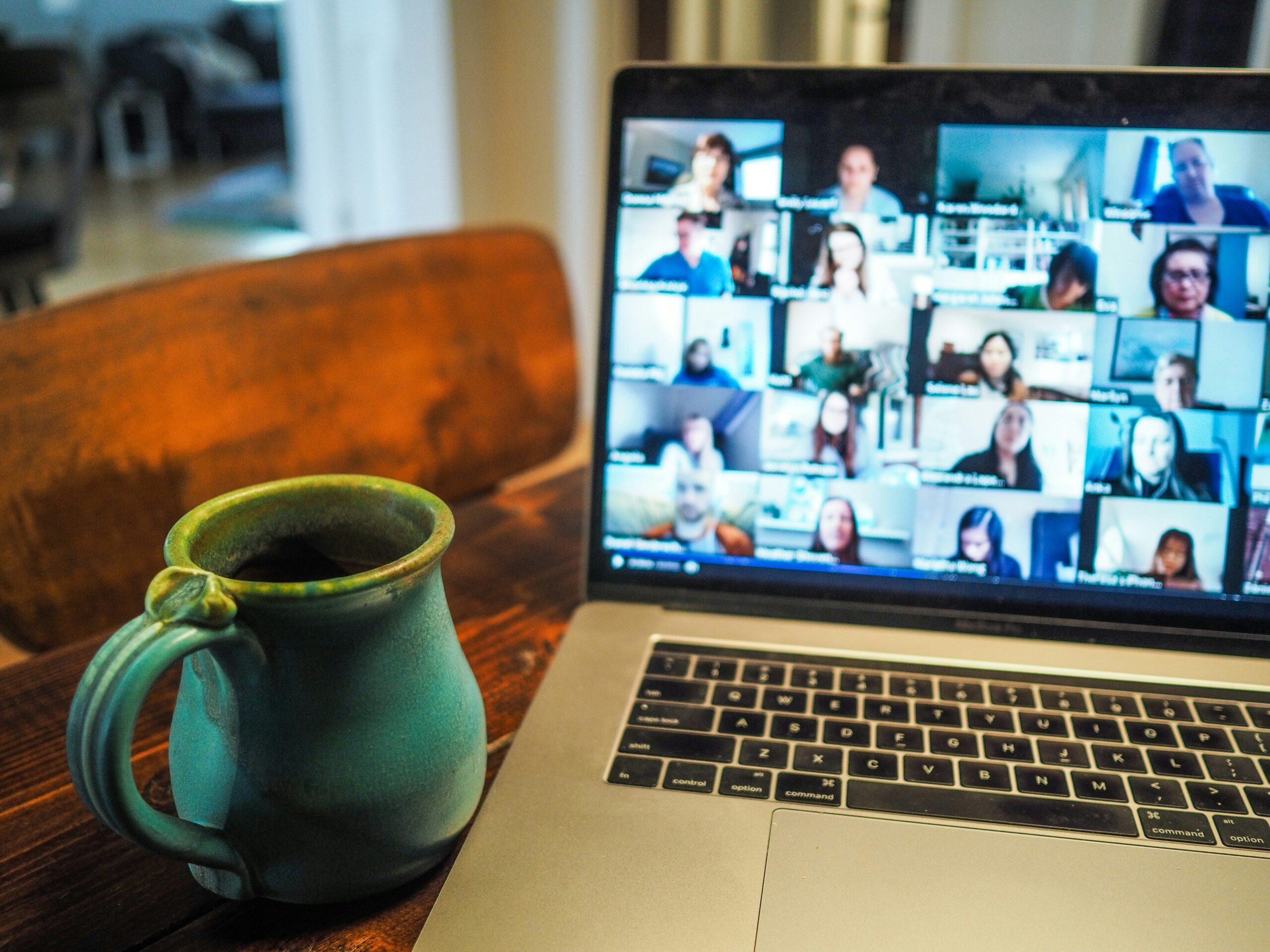
A recent study conducted by researchers at Cornell University highlights the profound impact that minor technical issues during video calls can have on interpersonal perceptions. Published in the journal Nature, the research underscores how even trivial disturbances, such as minor sound or image glitches, can lead to significant discomfort among participants, ultimately influencing their judgments of one another.
The researchers found that these technological disruptions can result in reduced trust in various contexts, including digital healthcare, employment interviews, and even legal proceedings. For example, in a case study focused on parole decisions in Kentucky, it was revealed that the likelihood of being granted parole dropped by 12% when video calls experienced interference, irrespective of the nature of the offense.
Jacqueline Rifkin, one of the authors of the study, expressed concerns regarding the implications of video calls, which are often seen as tools for democratization. “It’s supposed to be the great equalizer, it’s going to get everybody on the same page — and in a lot of ways, that’s true,” she explained in a press release. Yet, she cautioned that individuals lacking reliable internet access may miss out on opportunities due to these implicit biases, which often go unnoticed.
Consequences of Glitches on Trust and Equity
The findings of this study suggest that small disturbances can lead to significant consequences in professional scenarios. When technical issues arise during a job interview, for instance, candidates may be perceived as less competent or less trustworthy, regardless of their actual qualifications. This can severely diminish their chances of securing employment, particularly in an increasingly digital job market.
In the realm of healthcare, glitches during consultations can undermine patient confidence in medical professionals. Trust is crucial in doctor-patient relationships, and any disruption may lead to doubts about the quality of care provided. The study highlights the potential risks associated with telehealth, especially for vulnerable populations who may already face barriers to accessing quality medical services.
Broader Implications for Digital Communication
The researchers emphasize that while video calls can facilitate communication across distances, they may inadvertently perpetuate social inequalities. Those without access to high-quality internet services are disproportionately affected, potentially missing out on critical opportunities related to employment, healthcare, and legal matters.
The study serves as a reminder for policymakers and technology developers to consider the full spectrum of user experiences in digital communication tools. Addressing these disparities can help ensure that video calls fulfill their intended purpose as a means of inclusivity and connection, rather than reinforcing existing divides.
As the world increasingly relies on digital platforms for communication, understanding the nuances of how technology affects interpersonal dynamics is more important than ever. The findings from Cornell University shed light on the need for improved technology and support systems that can help mitigate the adverse effects of minor technical glitches, ensuring a more equitable digital environment for all.

Coromandel Beach Properties Surge in Demand as Luxury Homes Hit Market

Sheriff Mark Mitchell Faces Scrutiny Amid Allegations of Misconduct

Andrew and Sarah Attend Christening of Princess Beatrice’s Daughter

Newsom Critiques Musk in Heated Exchange Over Transgender Issues

Trump Condoms in Epstein Photo Release Spark Controversy

Study Reveals Small Video Call Glitches Impact Trust Significantly

Farmers Face Financial Strain as Trump Announces New Aid Package

Sheriff Mark Mitchell Faces Fallout Over Allegations in Dodge

King Charles III Discusses Successful Cancer Diagnosis and Treatment

Test Your Knowledge: Take the Herald’s Afternoon Quiz Today

PM Faces Backlash from Fans During Netball Trophy Ceremony

Tongan Star Eli Katoa Shares Recovery Update After Surgery

Dunedin Designers Win Top Award at Hokonui Fashion Event

Experience the Excitement of ‘Chief of War’ in Oʻahu

Liam Lawson Launches New Era for Racing Bulls with Strong Start

Coalition Forms to Preserve Māori Wards in Hawke’s Bay

Walking Faster Offers Major Health Benefits for Older Adults

Disney Fan Reveals Dress Code Tips for Park Visitors
-
 World5 months ago
Test Your Knowledge: Take the Herald’s Afternoon Quiz Today
-
 Sports5 months ago
PM Faces Backlash from Fans During Netball Trophy Ceremony
-
 Top Stories2 weeks ago
Tongan Star Eli Katoa Shares Recovery Update After Surgery
-
 Lifestyle5 months ago
Dunedin Designers Win Top Award at Hokonui Fashion Event
-
 Entertainment5 months ago
Experience the Excitement of ‘Chief of War’ in Oʻahu
-
 Sports5 months ago
Liam Lawson Launches New Era for Racing Bulls with Strong Start
-
 World5 months ago
Coalition Forms to Preserve Māori Wards in Hawke’s Bay
-
 Health5 months ago
Walking Faster Offers Major Health Benefits for Older Adults
-
 Lifestyle5 months ago
Disney Fan Reveals Dress Code Tips for Park Visitors
-

 Politics5 months ago
Scots Rally with Humor and Music to Protest Trump’s Visit
-

 Top Stories5 months ago
UK and India Finalize Trade Deal to Boost Economic Ties
-

 Health3 months ago
Radio Host Jay-Jay Feeney’s Partner Secures Visa to Stay in NZ