
Business
Icehouse Ventures CEO Questions Labour’s Capital Market Strategy

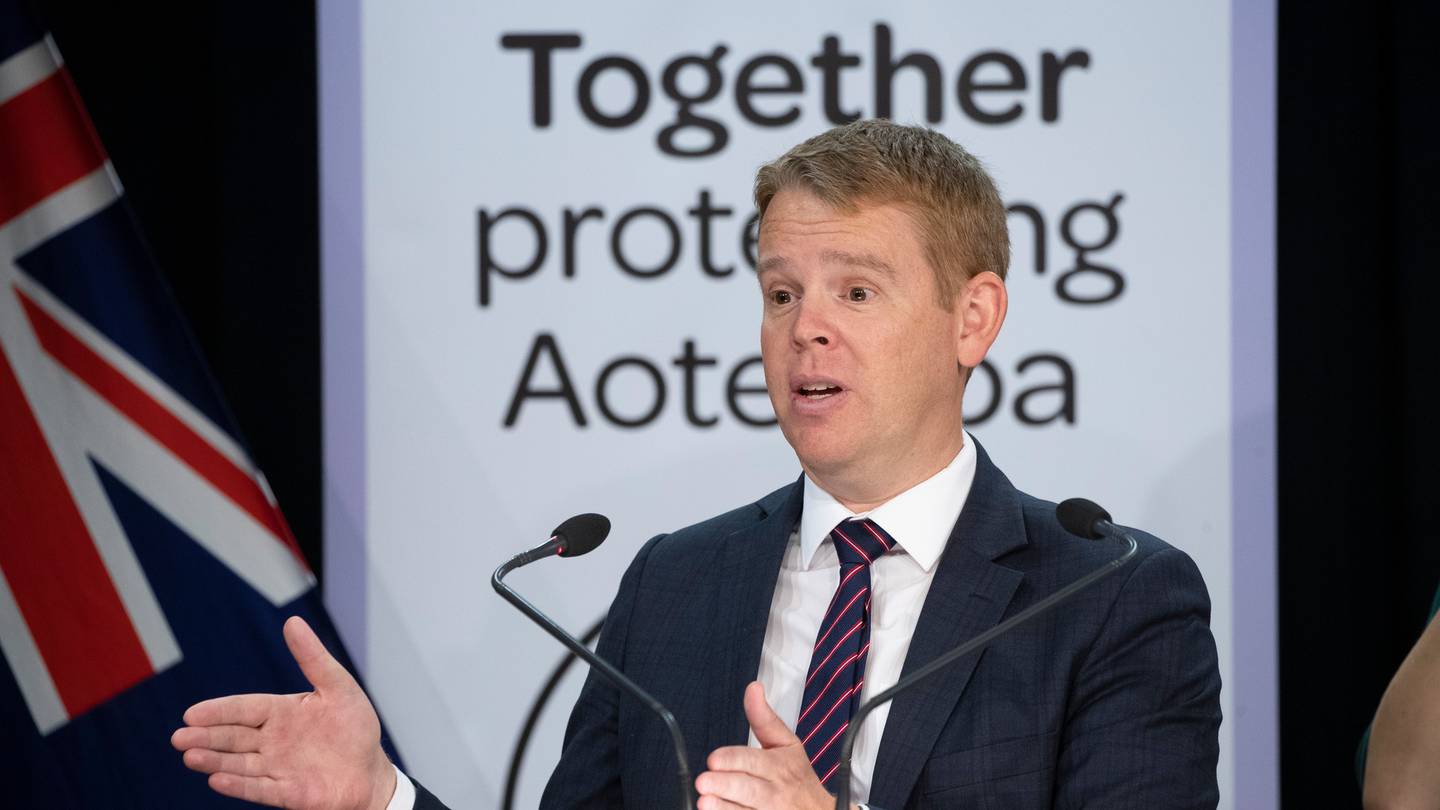
Concerns are emerging regarding the New Zealand Labour Party’s approach to addressing capital market issues. The party has proposed a $200 million Future Fund aimed at reinvesting dividends from specific Crown assets into local businesses and infrastructure projects. This initiative focuses exclusively on supporting domestic projects, but questions about its necessity have been raised.
In a recent interview with broadcaster Mike Hosking, Robbie Paul, Chief Executive of Icehouse Ventures, expressed a cautious view on the Labour Party’s proposal. While he finds the policy direction to be “agreeable,” he voiced his skepticism about a potential gap in the capital market that the initiative aims to address.
Assessing the Capital Landscape
Paul emphasized the importance of understanding whether a capital problem truly exists among New Zealand businesses. He pointed out that many local companies already have access to various funding avenues. “It’s essential to assess if the concerns being addressed are real or if they stem from a misunderstanding of the current market conditions,” he stated.
This sentiment reflects a broader debate within the country about the effectiveness of government intervention in capital markets. The proposed Future Fund, while well-intentioned, may not align with the actual needs of businesses that are already navigating their own capital challenges.
The Labour Party’s plan to create the Future Fund aims to stimulate economic growth by reinvesting public funds into the local economy. However, the success of such initiatives hinges on a clear understanding of the underlying issues at play in the capital market.
Looking Ahead
As the Labour Party pushes forward with its proposal, policymakers will need to engage in comprehensive consultations with industry leaders and financial experts. This will ensure that any measures taken are both relevant and effective in fostering an environment conducive to business growth.
Paul’s insights underline the necessity for a nuanced approach to capital market reform. As the conversation continues, the focus will likely shift toward identifying realistic solutions that truly benefit New Zealand’s economic landscape.
In conclusion, the dialogue surrounding the Future Fund illustrates the complexities of capital markets and the importance of tailored solutions for local businesses. Stakeholders await further developments as the Labour Party outlines its strategy and as industry leaders, like Paul, continue to voice their perspectives on the matter.

New Zealand Breakers Secure Playoff Spot with Key Victory

Two Injured in Jet Boat Collision on Tauwharenīkau River

Tasman Steel Reports $41 Million Loss Amid Rising Costs

Tasman Steel Reports $41 Million Net Loss Amid Rising Costs

News Fix Highlights Key Events Across News, Politics, and Sports

New Zealand’s Happiness Tied to Community Meals and Altruism

Auckland FC Triumphs Over Wellington Phoenix in Kiwi A-League Derby

Former Police Commissioner Claims Politicians Knew of Misconduct

Wellington’s Airhorn Show Delivers Unconventional Comedy Experience

Test Your Knowledge: Take the Herald’s Afternoon Quiz Today

PM Faces Backlash from Fans During Netball Trophy Ceremony

Dunedin Designers Win Top Award at Hokonui Fashion Event

Experience the Excitement of ‘Chief of War’ in Oʻahu

Liam Lawson Launches New Era for Racing Bulls with Strong Start

Coalition Forms to Preserve Māori Wards in Hawke’s Bay

Walking Faster Offers Major Health Benefits for Older Adults

Disney Fan Reveals Dress Code Tips for Park Visitors

Scots Rally with Humor and Music to Protest Trump’s Visit
-
 World4 months ago
Test Your Knowledge: Take the Herald’s Afternoon Quiz Today
-
 Sports4 months ago
PM Faces Backlash from Fans During Netball Trophy Ceremony
-
 Lifestyle4 months ago
Dunedin Designers Win Top Award at Hokonui Fashion Event
-
 Entertainment4 months ago
Experience the Excitement of ‘Chief of War’ in Oʻahu
-
 Sports4 months ago
Liam Lawson Launches New Era for Racing Bulls with Strong Start
-
 World5 months ago
Coalition Forms to Preserve Māori Wards in Hawke’s Bay
-
 Health4 months ago
Walking Faster Offers Major Health Benefits for Older Adults
-
 Lifestyle4 months ago
Disney Fan Reveals Dress Code Tips for Park Visitors
-
 Politics4 months ago
Scots Rally with Humor and Music to Protest Trump’s Visit
-

 Top Stories5 months ago
UK and India Finalize Trade Deal to Boost Economic Ties
-

 Health2 months ago
Radio Host Jay-Jay Feeney’s Partner Secures Visa to Stay in NZ
-

 World5 months ago
Huntly Begins Water Pipe Flushing to Resolve Brown Water Issue