
Business
New Sanctions Introduced to Aid Beneficiaries’ Job Readiness

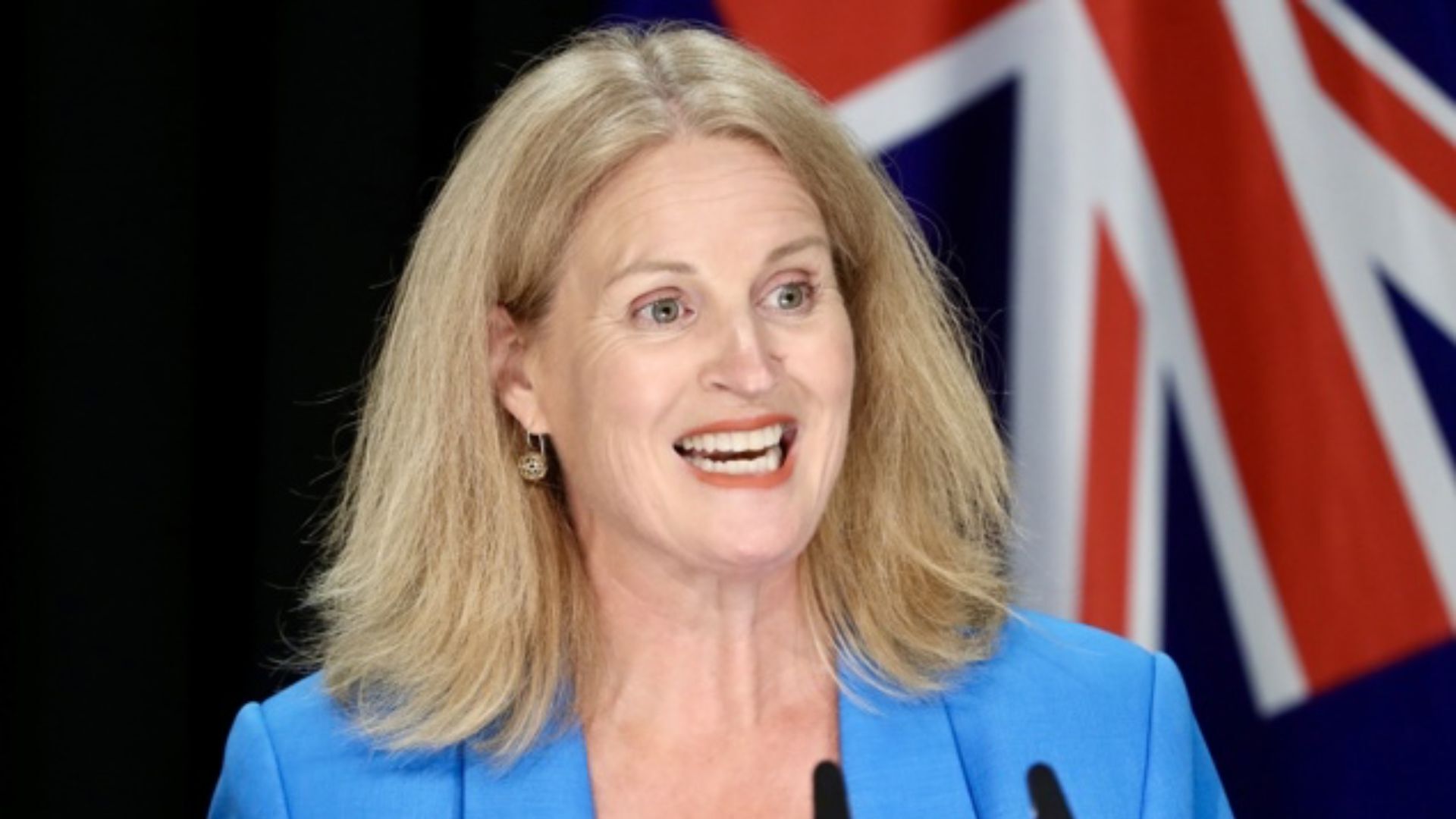
The New Zealand government is implementing new sanctions aimed at helping beneficiaries prepare for employment. Starting from October 20, 2023, individuals who fail to meet their work-related obligations for the first time will be required to engage in either a minimum of three job-search activities per week or attend employment-related training courses. This initiative, announced by Social Development Minister Louise Upston, seeks to promote job readiness and workforce participation among beneficiaries.
Transition to Supportive Measures
The sanctions come as part of a broader strategy following earlier measures introduced under the government’s Traffic Light System. Previously, sanctions included placing half of a beneficiary’s payment on a restricted card or mandating community work for those not meeting their obligations. Minister Upston emphasized that the new approach aims to motivate beneficiaries to take action toward employment instead of imposing stricter penalties.
“One of the commitments we made was to introduce non-financial sanctions as an alternative to reducing, suspending, or cancelling benefits,” Upston stated. “We want people to take the necessary steps to prepare for work. There is no sanction for individuals who cannot find a job, but we do expect them to actively seek one.”
Concerns have been raised regarding previous measures, particularly those involving money management cards. Reports indicated that beneficiaries using these cards faced difficulties covering essential expenses like rent, increasing the risk of homelessness. In response, Upston declared that the new sanctions are designed to provide support rather than punishment. “These sanctions are practical and intended to enhance beneficiaries’ employability,” she remarked.
Future Plans and Expectations
Looking ahead, Minister Upston confirmed that no additional sanctions are currently planned, as the focus remains on implementing the new measures effectively. The Ministry of Social Development will oversee the enforcement of these rules starting on October 20, as part of its ongoing efforts to foster job readiness and encourage beneficiaries to actively participate in the workforce.
By shifting the focus from punitive measures to supportive actions, the government aims to create a more inclusive environment that empowers beneficiaries to secure employment opportunities. This transition reflects a growing recognition of the need for compassionate and constructive approaches to welfare and employment support.

Can You Solve Today’s Hard Word Challenge in One Minute?

Ngira Simmonds Challenges Leadership at Te Pāti Māori AGM

Breakthrough Cancer Research Inspired by Childhood Friend’s Battle

Black Ferns Sevens Reach Cape Town Final; All Blacks Sevens Fall Short

Auckland Refuge Struggles to Meet Surging Demand for Shelter

Ladies’ Lunch Dates: A Recipe for Rejuvenation and Connection

Challenge Your Vocabulary: Solve Today’s Hard Word Puzzle

Ngira Simmonds Questions Leadership at Te Pāti Māori AGM

Researcher Advances Cancer Diagnosis with Innovative Device

Test Your Knowledge: Take the Herald’s Afternoon Quiz Today

PM Faces Backlash from Fans During Netball Trophy Ceremony

Dunedin Designers Win Top Award at Hokonui Fashion Event

Experience the Excitement of ‘Chief of War’ in Oʻahu

Liam Lawson Launches New Era for Racing Bulls with Strong Start

Coalition Forms to Preserve Māori Wards in Hawke’s Bay

Walking Faster Offers Major Health Benefits for Older Adults

Disney Fan Reveals Dress Code Tips for Park Visitors

Scots Rally with Humor and Music to Protest Trump’s Visit
-
 World4 months ago
Test Your Knowledge: Take the Herald’s Afternoon Quiz Today
-
 Sports4 months ago
PM Faces Backlash from Fans During Netball Trophy Ceremony
-
 Lifestyle4 months ago
Dunedin Designers Win Top Award at Hokonui Fashion Event
-
 Entertainment4 months ago
Experience the Excitement of ‘Chief of War’ in Oʻahu
-
 Sports4 months ago
Liam Lawson Launches New Era for Racing Bulls with Strong Start
-
 World5 months ago
Coalition Forms to Preserve Māori Wards in Hawke’s Bay
-
 Health4 months ago
Walking Faster Offers Major Health Benefits for Older Adults
-
 Lifestyle4 months ago
Disney Fan Reveals Dress Code Tips for Park Visitors
-
 Politics4 months ago
Scots Rally with Humor and Music to Protest Trump’s Visit
-

 Top Stories5 months ago
UK and India Finalize Trade Deal to Boost Economic Ties
-

 Health2 months ago
Radio Host Jay-Jay Feeney’s Partner Secures Visa to Stay in NZ
-

 World5 months ago
Huntly Begins Water Pipe Flushing to Resolve Brown Water Issue