
Health
Boost Your Health: Six Essential Protein Foods for Men Over 50

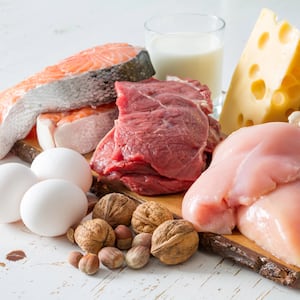
Maintaining a balanced diet is crucial for healthy ageing, particularly for men over the age of 50. Recent recommendations highlight six high-protein foods that can significantly contribute to overall health and well-being. According to a report from the Telegraph, incorporating these foods into weekly meals can enhance nutritional intake, even for those not focused on muscle gain.
As people age, the body requires adequate protein to support various physiological functions. Protein plays a vital role in muscle maintenance, immune function, and overall metabolic health. For older adults, sufficient protein intake can help combat the natural decline in muscle mass that occurs with age, known as sarcopenia.
Key High-Protein Foods to Include
Experts suggest that men over 50 should prioritize the following six high-protein foods in their diets:
1. **Eggs**: These are not only rich in protein but also provide essential nutrients such as vitamin D and choline. One large egg contains around 6 grams of protein, making them an excellent breakfast option or ingredient for various dishes.
2. **Greek Yogurt**: This dairy product is packed with protein, offering approximately 10 grams per 100 grams. Greek yogurt is also a good source of probiotics, which promote gut health—an important factor for ageing individuals.
3. **Fish**: Varieties such as salmon, tuna, and sardines are loaded with protein and healthy fats, particularly omega-3 fatty acids. A serving of salmon can provide up to 22 grams of protein, supporting heart health and cognitive function.
4. **Lean Meats**: Chicken and turkey are great sources of lean protein. A 100-gram serving of skinless chicken breast contains around 31 grams of protein, making it a staple for many health-conscious diets.
5. **Legumes**: Beans, lentils, and chickpeas are excellent plant-based protein sources. They are particularly beneficial for those who may want to reduce meat consumption. A cup of cooked lentils can deliver approximately 18 grams of protein along with fiber and essential nutrients.
6. **Nuts and Seeds**: Almonds, chia seeds, and pumpkin seeds provide healthy fats as well as protein. For instance, a quarter-cup of almonds contains about 7.5 grams of protein, making them a convenient snack option.
Understanding the Importance of Protein
A diet rich in protein is essential for men over 50 to help maintain muscle mass, support bone health, and improve recovery from injuries. As the body ages, its ability to process protein effectively can diminish, which makes it even more critical for older adults to ensure they are consuming adequate amounts.
Health professionals recommend that older adults aim for a protein intake of around 1.0 to 1.2 grams of protein per kilogram of body weight daily. This can vary based on individual health status and activity levels.
Incorporating these six high-protein foods into weekly meal planning can not only enhance nutritional intake but also promote a healthier lifestyle as one ages. By making conscious dietary choices, men over 50 can significantly influence their quality of life and longevity.
In conclusion, the integration of these protein-rich foods into daily diets can lead to improved health outcomes for older men. As highlighted by the Telegraph, a proactive approach to nutrition is vital for healthy ageing and overall well-being.

Businesses Urged to Integrate Print in 2026 Marketing Strategies

Newstalk ZB Highlights: Key Moments from Tuesday’s Broadcast

Boost Your Health: Six Essential Protein Foods for Men Over 50

Kiwis Embrace Practical Gifting for a Meaningful Christmas

New Strategies Proposed to Revamp Resource Management Act

New Zealand Student to Showcase Innovative Science Project in US

Black Sox Denied Gold Medal After Venezuelan Pitcher’s Doping Case

Fire Claims Lives of Elderly Couple in Foxton Beach Home

Black Sox Denied Gold as Venezuela Pitcher Banned for Doping

Test Your Knowledge: Take the Herald’s Afternoon Quiz Today

PM Faces Backlash from Fans During Netball Trophy Ceremony

Dunedin Designers Win Top Award at Hokonui Fashion Event

Experience the Excitement of ‘Chief of War’ in Oʻahu

Liam Lawson Launches New Era for Racing Bulls with Strong Start

Coalition Forms to Preserve Māori Wards in Hawke’s Bay

Walking Faster Offers Major Health Benefits for Older Adults

Disney Fan Reveals Dress Code Tips for Park Visitors

Scots Rally with Humor and Music to Protest Trump’s Visit
-
 World4 months ago
Test Your Knowledge: Take the Herald’s Afternoon Quiz Today
-
 Sports4 months ago
PM Faces Backlash from Fans During Netball Trophy Ceremony
-
 Lifestyle4 months ago
Dunedin Designers Win Top Award at Hokonui Fashion Event
-
 Entertainment5 months ago
Experience the Excitement of ‘Chief of War’ in Oʻahu
-
 Sports4 months ago
Liam Lawson Launches New Era for Racing Bulls with Strong Start
-
 World5 months ago
Coalition Forms to Preserve Māori Wards in Hawke’s Bay
-
 Health4 months ago
Walking Faster Offers Major Health Benefits for Older Adults
-
 Lifestyle4 months ago
Disney Fan Reveals Dress Code Tips for Park Visitors
-
 Politics4 months ago
Scots Rally with Humor and Music to Protest Trump’s Visit
-

 Top Stories5 months ago
UK and India Finalize Trade Deal to Boost Economic Ties
-

 Health2 months ago
Radio Host Jay-Jay Feeney’s Partner Secures Visa to Stay in NZ
-
 World5 months ago
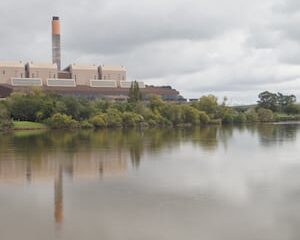
Huntly Begins Water Pipe Flushing to Resolve Brown Water Issue