
Health
Farmers Combat Pneumonia Risk in Lambs to Boost Profitability

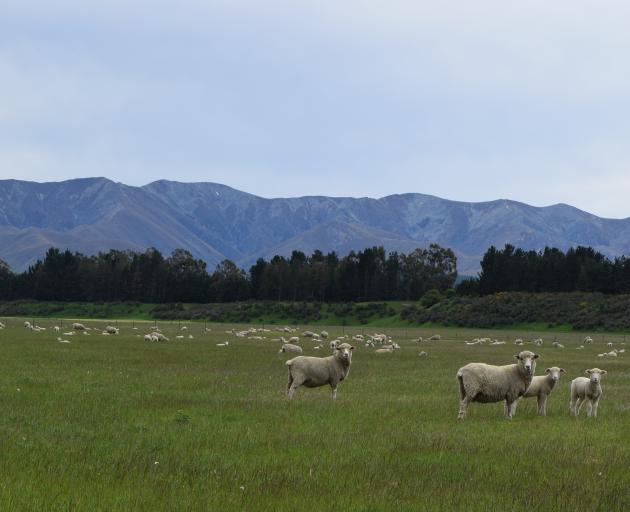
Chronic Non-Progressive Pneumonia (CNP) poses a significant threat to lambs, affecting an estimated 20%–30% of those in a flock. This condition is not only detrimental to animal health but also leads to substantial economic losses for farmers. The challenge lies in the management practices that can help mitigate the risks associated with CNP.
The economic impact of CNP can be profound. In a case study involving a flock of 500 lambs, losses due to downgraded carcasses amounted to approximately $2,920 based on a processing schedule of $6.63 per kilogram. Affected lambs can exhibit stunted growth, with those suffering from CNP growing 50% slower than their healthy counterparts. For instance, if a lamb with CNP grows at 75 grams per day instead of 150 grams, it would take an additional 47 days to reach a weight of 37 kgLW, requiring an extra 66 kg of dry matter.
Understanding CNP and Its Causes
CNP is the most common form of pneumonia in lambs, often resulting from bacterial, mycobacterial, or viral infections. Affected animals may develop pleurisy, a painful inflammation where the lungs adhere to the chest wall. Such health issues not only compromise animal welfare but also lead to carcass downgrading or condemnation during processing.
Research from Massey University and AgResearch indicates that the prevalence of CNP varies significantly across flocks and years, but consistently impacts a notable portion of lamb populations. Factors contributing to CNP include high temperatures, humidity, overcrowding, stress, dust exposure, excessive exercise, poor ventilation, low immunity, and high parasite loads.
Farmers can implement several strategies to reduce the risk of CNP. Avoiding shearing during the critical weaning period, maintaining small mob sizes when handling lambs, and minimizing long-distance movements under stressful conditions are all recommended practices. Additionally, ensuring that both ewes and lambs receive proper nutrition plays a vital role in prevention.
Effective Management Strategies
To enhance the welfare of lambs and reduce the incidence of CNP, farmers should focus on creating an environment that minimizes stress. Techniques such as utilizing satellite yards and lane-ways allow lambs to move at their own pace, which can help reduce open-mouth panting and associated stress. Targeting cooler times of the day for handling can also be beneficial.
Maintaining good body condition in ewes ensures that they can rear their lambs effectively, facilitating quicker growth rates and reducing exposure to pathogens that cause CNP. Healthy ewes are more likely to produce lambs with robust immune systems, ultimately leading to better outcomes at weaning.
In summary, addressing the challenges posed by CNP requires a combination of good management practices, nutritional support, and an understanding of the disease’s underlying causes. For more detailed information, farmers can refer to the fact sheet “Pneumonia and pleurisy in sheep” provided by Beef + Lamb New Zealand. By implementing these strategies, farmers can not only improve the health of their livestock but also enhance their overall profitability.

Novice Triallist Kay McClymont Triumphs at South Island Challenge

Man Arrested After Fleeing Driver Incident Closes Highway Near Winton

Novice Triallist Kay McClymont Secures Win, Heads to Taupō

Foreign Investors Acquire South Otago Dairy Farms for Development

Boring Livestream Invites Viewers to Experience Calmness

Farmers Combat Pneumonia Risk in Lambs to Boost Profitability

Matildas Secure Narrow Victory Over Football Ferns in Farewell Match

Man Arrested After High-Speed Chase Closes Highway Near Winton

Documentary Portrait Reveals Human Side of Jacinda Ardern

Test Your Knowledge: Take the Herald’s Afternoon Quiz Today

PM Faces Backlash from Fans During Netball Trophy Ceremony

Dunedin Designers Win Top Award at Hokonui Fashion Event

Liam Lawson Launches New Era for Racing Bulls with Strong Start

Experience the Excitement of ‘Chief of War’ in Oʻahu

Coalition Forms to Preserve Māori Wards in Hawke’s Bay

Disney Fan Reveals Dress Code Tips for Park Visitors

Walking Faster Offers Major Health Benefits for Older Adults

Scots Rally with Humor and Music to Protest Trump’s Visit
-
 World4 months ago
Test Your Knowledge: Take the Herald’s Afternoon Quiz Today
-
 Sports4 months ago
PM Faces Backlash from Fans During Netball Trophy Ceremony
-
 Lifestyle4 months ago
Dunedin Designers Win Top Award at Hokonui Fashion Event
-
 Sports4 months ago
Liam Lawson Launches New Era for Racing Bulls with Strong Start
-
 Entertainment4 months ago
Experience the Excitement of ‘Chief of War’ in Oʻahu
-
 World4 months ago
Coalition Forms to Preserve Māori Wards in Hawke’s Bay
-
 Lifestyle4 months ago
Disney Fan Reveals Dress Code Tips for Park Visitors
-
 Health4 months ago
Walking Faster Offers Major Health Benefits for Older Adults
-
 Politics4 months ago
Scots Rally with Humor and Music to Protest Trump’s Visit
-

 Top Stories4 months ago
UK and India Finalize Trade Deal to Boost Economic Ties
-

 Health2 months ago
Radio Host Jay-Jay Feeney’s Partner Secures Visa to Stay in NZ
-

 World4 months ago
Huntly Begins Water Pipe Flushing to Resolve Brown Water Issue