
Health
Journalist Reveals Mental Health Crisis of Perimenopause

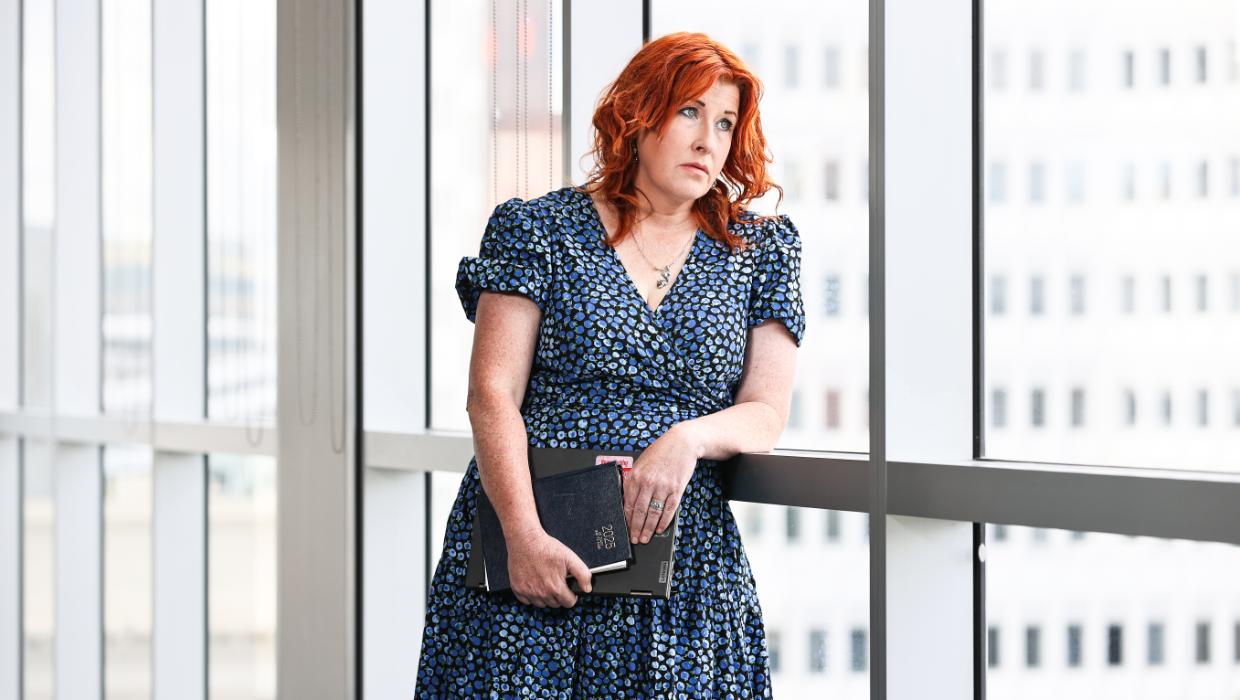
A journalist’s personal struggle with perimenopause has shed light on a broader national issue concerning the mental health effects of this often-overlooked phase of women’s lives. Over the course of 18 months, the journalist uncovered alarming statistics and personal stories that highlight the significant mental health costs associated with perimenopause, a transition that affects millions of women worldwide.
The findings reveal a disturbing trend: many women experience anxiety, depression, and a decline in overall mental well-being during perimenopause, yet these challenges remain largely unaddressed in public discourse. According to the National Health Service (NHS), symptoms can begin as early as a woman’s late 30s and continue into her 50s, affecting emotional health and quality of life.
### The Hidden Struggles
Through interviews and personal narratives, the journalist discovered that many women feel isolated during this period, often struggling in silence. The lack of awareness and understanding surrounding perimenopause can exacerbate feelings of anxiety and depression. A report from the Mental Health Foundation indicates that up to 70% of women report experiencing emotional difficulties during this transition.
As women navigate these challenges, they often face societal pressures that discourage open discussion about mental health. This culture of silence contributes to a cycle of suffering that leaves many women feeling unsupported. The journalist’s investigation highlights the need for greater awareness and education about perimenopause, encouraging women to seek help and share their experiences.
### Breaking the Silence
The research conducted over 18 months has resulted in numerous interviews with health professionals and women who have experienced perimenopause. Many expressed frustration over the lack of information and resources available to them. As [Journalist Name] notes, “The conversation around perimenopause needs to change. Women deserve to understand what they are going through and to have access to support.”
Health organizations are beginning to respond to this urgent need. Recent initiatives aim to provide comprehensive resources on perimenopause, focusing on mental health support. For instance, the Mental Health Foundation is advocating for the integration of mental health care into routine gynecological visits, ensuring that women receive holistic care.
### A Call to Action
The narrative surrounding perimenopause is shifting, but there is still much work to be done. Public health campaigns and policy changes could play a crucial role in addressing the mental health crisis linked to this life stage. Increased funding for research into the mental health impacts of perimenopause is essential to inform better care practices.
As the journalist’s findings circulate, the hope is that they spark a broader conversation that encourages women to speak out about their experiences. This issue is not just personal; it is a national concern that requires attention from healthcare providers, policymakers, and society as a whole.
By addressing the mental health costs associated with perimenopause, there is potential for significant improvements in the quality of life for millions of women. Ultimately, the overarching goal is to ensure that women do not have to endure this difficult transition in silence.

Capture the Holiday Spirit with Santa Photos in Warkworth

Te Pāti Māori AGM Highlights Leadership Challenges and Unity

South Island Researcher Advances Cancer Diagnosis with Innovative Tool

Australia Claims Victory as England Faces Ashes Challenge

Investigation Launched After Chemical Burns at Christchurch Preschool

Police Arrest Suspect in Mt Wellington Homicide Case

Bank Reports Economic Recovery as Consumer Spending Surges

Matthew Lillard Responds to Quentin Tarantino’s Criticism of His Acting

Qatar Exits Arab Cup After 3-0 Defeat to Tunisia in Doha

Test Your Knowledge: Take the Herald’s Afternoon Quiz Today

PM Faces Backlash from Fans During Netball Trophy Ceremony

Dunedin Designers Win Top Award at Hokonui Fashion Event

Experience the Excitement of ‘Chief of War’ in Oʻahu

Liam Lawson Launches New Era for Racing Bulls with Strong Start

Coalition Forms to Preserve Māori Wards in Hawke’s Bay

Walking Faster Offers Major Health Benefits for Older Adults

Disney Fan Reveals Dress Code Tips for Park Visitors

Scots Rally with Humor and Music to Protest Trump’s Visit
-
 World4 months ago
Test Your Knowledge: Take the Herald’s Afternoon Quiz Today
-
 Sports4 months ago
PM Faces Backlash from Fans During Netball Trophy Ceremony
-
 Lifestyle4 months ago
Dunedin Designers Win Top Award at Hokonui Fashion Event
-
 Entertainment4 months ago
Experience the Excitement of ‘Chief of War’ in Oʻahu
-
 Sports4 months ago
Liam Lawson Launches New Era for Racing Bulls with Strong Start
-
 World5 months ago
Coalition Forms to Preserve Māori Wards in Hawke’s Bay
-
 Health4 months ago
Walking Faster Offers Major Health Benefits for Older Adults
-
 Lifestyle4 months ago
Disney Fan Reveals Dress Code Tips for Park Visitors
-
 Politics4 months ago
Scots Rally with Humor and Music to Protest Trump’s Visit
-

 Top Stories5 months ago
UK and India Finalize Trade Deal to Boost Economic Ties
-

 Health2 months ago
Radio Host Jay-Jay Feeney’s Partner Secures Visa to Stay in NZ
-

 World5 months ago
Huntly Begins Water Pipe Flushing to Resolve Brown Water Issue