
Health
Rethinking Family Dinners: A Personal Journey to Freedom

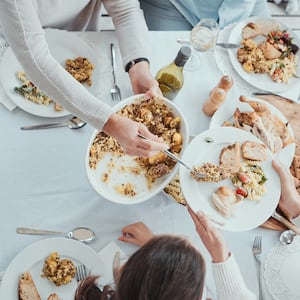
In a candid reflection on family traditions, Erin O. White reveals her decision to stop preparing nightly family dinners after 18 years. This shift, she argues, has not harmed her family’s connection but rather allowed for a more enjoyable time together. O. White shares her journey from a dedicated family cook to someone who embraced the freedom of not feeling obligated to cook every night.
From Tradition to Transformation
For nearly two decades, O. White’s family gathered around the dinner table almost every night. The routine involved sharing stories, laughter, and even the occasional disagreement. This regularity provided a sense of stability and connection within the family unit. However, three years ago, O. White decided to stop the nightly cooking ritual. She discovered that her family could still thrive without this expectation hanging over her.
The author reflects on her early experiences with cooking, revealing that she learned the craft while trying to conceive a child. During a vacation in Cape Cod, she stumbled upon a collection of Gourmet magazines that inspired her to learn various cooking techniques. At just 29 years old, O. White immersed herself in these recipes, gaining skills that would eventually define her role in the kitchen.
Embracing Change and Connection
O. White’s culinary journey began with simple dishes like tagines and chili, progressing to more complex recipes as her confidence grew. By the time her first daughter was born, she had fully embraced the role of the family cook. Yet, the weight of this responsibility eventually became overwhelming. The pressures of daily cooking began to take their toll, prompting her to reassess the necessity of this tradition.
Ultimately, O. White learned that stepping back from the kitchen did not diminish her family’s bond. Instead, it opened new avenues for connection. She emphasizes that parents can prioritize family togetherness without adhering strictly to traditional practices. The experience has shown her that children can still develop into well-adjusted individuals without the ritualistic family dinner.
Through her journey, O. White advocates for other parents to reconsider their obligations in family life. She encourages them to find joy in flexibility and spontaneity, suggesting that taking a break from predictable routines might lead to more meaningful interactions. The message is clear: family unity does not solely rely on shared meals, but rather on the quality of time spent together.
O. White’s story serves as a reminder that adapting traditions does not equate to losing connections. As families evolve, so too can their practices, allowing room for new traditions that reflect their current values and lifestyles.

Otago Faces Stiff Challenge on Final Day Against Northern Districts

Top Firms Forecast Strong Returns from Private Equity and Debt

Otago Faces Uphill Battle in Plunket Shield Clash with Northern Districts

Polymarket Surges as Predictions Platform Faces Regulatory Challenges

Josh O’Connor Shines in Dark Comedy Murder Mystery “Wake Up Dead Man”

Journalist Reveals Mental Health Crisis of Perimenopause

Black Ferns Sevens Reach Cape Town Final, All Blacks Sevens Eliminated

Auckland Family Violence Refuge Struggles with Record Demand

Saiyaara Crowned Most Searched Film of 2025 in Google Trends

Test Your Knowledge: Take the Herald’s Afternoon Quiz Today

PM Faces Backlash from Fans During Netball Trophy Ceremony

Dunedin Designers Win Top Award at Hokonui Fashion Event

Experience the Excitement of ‘Chief of War’ in Oʻahu

Liam Lawson Launches New Era for Racing Bulls with Strong Start

Coalition Forms to Preserve Māori Wards in Hawke’s Bay

Walking Faster Offers Major Health Benefits for Older Adults

Disney Fan Reveals Dress Code Tips for Park Visitors

Scots Rally with Humor and Music to Protest Trump’s Visit
-
 World4 months ago
Test Your Knowledge: Take the Herald’s Afternoon Quiz Today
-
 Sports4 months ago
PM Faces Backlash from Fans During Netball Trophy Ceremony
-
 Lifestyle4 months ago
Dunedin Designers Win Top Award at Hokonui Fashion Event
-
 Entertainment4 months ago
Experience the Excitement of ‘Chief of War’ in Oʻahu
-
 Sports4 months ago
Liam Lawson Launches New Era for Racing Bulls with Strong Start
-
 World5 months ago
Coalition Forms to Preserve Māori Wards in Hawke’s Bay
-
 Health4 months ago
Walking Faster Offers Major Health Benefits for Older Adults
-
 Lifestyle4 months ago
Disney Fan Reveals Dress Code Tips for Park Visitors
-
 Politics4 months ago
Scots Rally with Humor and Music to Protest Trump’s Visit
-

 Top Stories5 months ago
UK and India Finalize Trade Deal to Boost Economic Ties
-

 Health2 months ago
Radio Host Jay-Jay Feeney’s Partner Secures Visa to Stay in NZ
-

 World5 months ago
Huntly Begins Water Pipe Flushing to Resolve Brown Water Issue