
Health
Study Links Obstructive Sleep Apnoea to Higher Parkinson’s Risk

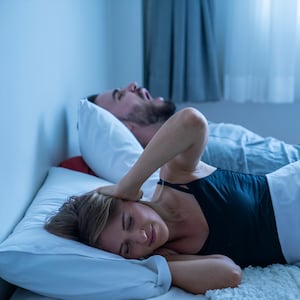
Research published in JAMA Neurology has identified a concerning association between obstructive sleep apnoea and the future development of Parkinson’s disease. This study involved a comprehensive analysis of health records from over 11 million US veterans spanning from 1999 to 2022. The findings reveal that veterans diagnosed with obstructive sleep apnoea are nearly twice as likely to develop Parkinson’s disease within six years of their diagnosis.
Obstructive sleep apnoea is a condition characterized by the partial or complete collapse of the airway during sleep. This leads to significant oxygen deprivation and results in non-restorative sleep. According to the American Medical Association, this disorder affects millions globally and often goes undiagnosed, leading to long-term health consequences.
On the other hand, Parkinson’s disease is a progressive neurodegenerative disorder that primarily affects movement. It is the second-most prevalent neurodegenerative condition in the United States, impacting approximately 1.1 million people. The implications of this new research could be significant, especially for healthcare providers who care for veterans and individuals with sleep disorders.
The study found that nearly 14% of the veterans analyzed had sleep apnoea. Those diagnosed with this condition showed a markedly increased risk of developing Parkinson’s disease compared to those without it. This correlation underscores the importance of early diagnosis and treatment of sleep disorders.
As public awareness of sleep apnoea increases, the findings from this research highlight a critical area for further exploration. Healthcare professionals are urged to consider the long-term health risks associated with untreated obstructive sleep apnoea, particularly the potential for neurodegenerative diseases like Parkinson’s.
The results of this study may prompt further investigations into how managing sleep apnoea could potentially mitigate the risk of developing Parkinson’s disease. Understanding this connection might lead to improved screening processes and treatment options for those at risk. As research continues, the medical community hopes to shed light on the complexities of sleep disorders and their far-reaching impacts on overall health.
In conclusion, the findings emphasize the necessity for increased vigilance regarding sleep health, especially among populations at risk. With millions affected by obstructive sleep apnoea, addressing this condition may play a pivotal role in preventing the onset of Parkinson’s disease and enhancing the quality of life for many individuals.

Suzuki International Series Kicks Off Exciting Racing Season in Taupō

Controversial Flag Exhibition Invites Public Engagement in Hastings

Man Charged After Allegedly Swallowing $33,500 Pendant in Auckland

Skyline Queenstown Expands Dining Capacity with $200 Million Upgrade

Inside Santa’s Training School: Crafting a 40-Strong Elf Crew

Mike King Calls for Focus on Constituents After Audit Clears Contract

Craig Greenfield Inspires Change for Vulnerable Youth Globally

England’s Stokes and Team Criticized for Scooter Safety Violations

Black Caps Begin Home Test Summer Against West Indies in Christchurch

Test Your Knowledge: Take the Herald’s Afternoon Quiz Today

PM Faces Backlash from Fans During Netball Trophy Ceremony

Dunedin Designers Win Top Award at Hokonui Fashion Event

Liam Lawson Launches New Era for Racing Bulls with Strong Start

Experience the Excitement of ‘Chief of War’ in Oʻahu

Coalition Forms to Preserve Māori Wards in Hawke’s Bay

Disney Fan Reveals Dress Code Tips for Park Visitors

Walking Faster Offers Major Health Benefits for Older Adults

Scots Rally with Humor and Music to Protest Trump’s Visit
-
 World4 months ago
Test Your Knowledge: Take the Herald’s Afternoon Quiz Today
-
 Sports4 months ago
PM Faces Backlash from Fans During Netball Trophy Ceremony
-
 Lifestyle4 months ago
Dunedin Designers Win Top Award at Hokonui Fashion Event
-
 Sports4 months ago
Liam Lawson Launches New Era for Racing Bulls with Strong Start
-
 Entertainment4 months ago
Experience the Excitement of ‘Chief of War’ in Oʻahu
-
 World4 months ago
Coalition Forms to Preserve Māori Wards in Hawke’s Bay
-
 Lifestyle4 months ago
Disney Fan Reveals Dress Code Tips for Park Visitors
-
 Health4 months ago
Walking Faster Offers Major Health Benefits for Older Adults
-
 Politics4 months ago
Scots Rally with Humor and Music to Protest Trump’s Visit
-

 Top Stories4 months ago
UK and India Finalize Trade Deal to Boost Economic Ties
-

 Health2 months ago
Radio Host Jay-Jay Feeney’s Partner Secures Visa to Stay in NZ
-

 World4 months ago
Huntly Begins Water Pipe Flushing to Resolve Brown Water Issue