
Health
US Health Panel Votes on Hepatitis B Vaccine Protocol for Newborns

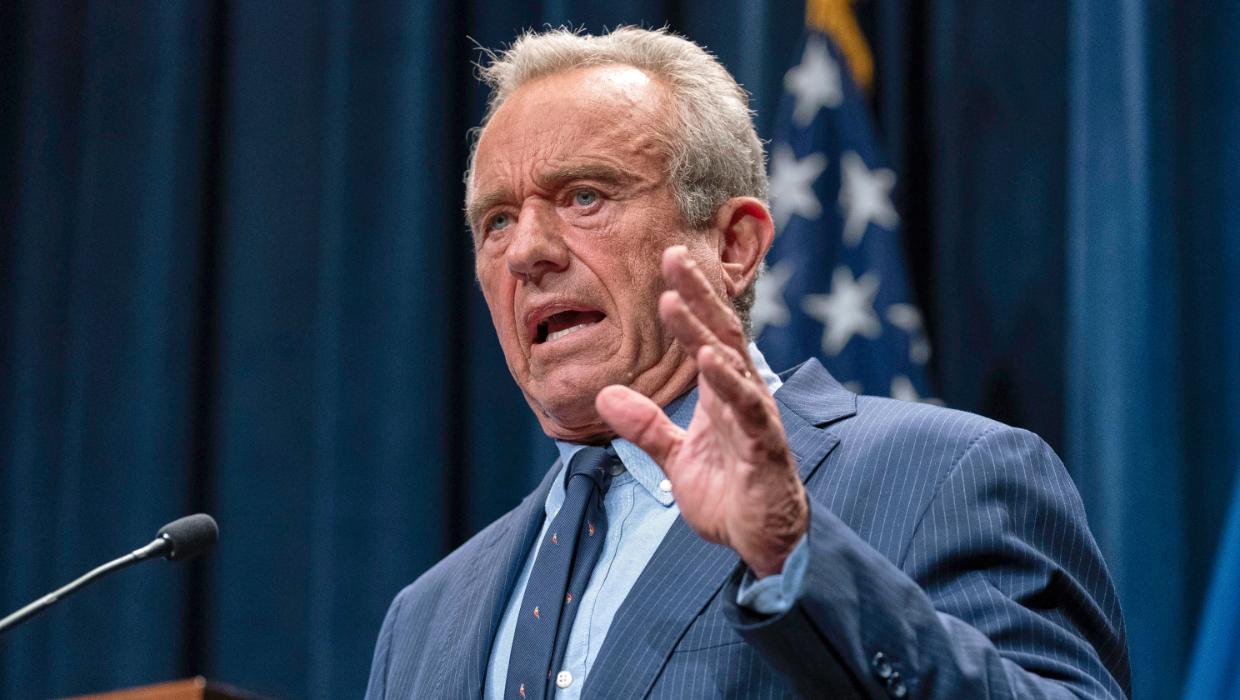
A key panel within the United States health system has voted to change the recommendations regarding the administration of the hepatitis B vaccine for newborns. The decision, made by the US Health Panel, suggests that not all infants require the vaccine immediately after birth. This has sparked widespread criticism from numerous medical and public health leaders, who argue that the move could have detrimental effects on public health.
The panel’s vote, which occurred in October 2023, was led by members appointed by Health Secretary Robert F. Kennedy Jr.. Critics are concerned that this decision reflects a significant shift in vaccination policy, potentially endangering the health of infants and the broader community. The American Academy of Pediatrics and the Centers for Disease Control and Prevention (CDC) have expressed strong opposition to the panel’s conclusion, emphasizing the importance of early vaccination in preventing hepatitis B transmission.
Many experts argue that the hepatitis B vaccine is a crucial component of routine immunizations for infants. It is designed to protect against a virus that can lead to chronic liver disease and cancer later in life. The CDC recommends that all newborns receive the vaccine within 24 hours of birth, particularly if the mother is infected with the virus. By contrast, the new guidelines from the US Health Panel could lead to a significant decline in vaccination rates among newborns, raising concerns about future outbreaks of the disease.
In response to the decision, Dr. Jennifer Miller, a pediatrician and public health advocate, stated, “This decision undermines decades of progress in preventing hepatitis B. We must prioritize the health and safety of our children.” The implications of this vote are expected to reach beyond just the immediate health of infants, potentially affecting public health strategies nationwide.
The controversy surrounding this decision highlights a growing divide within health policy discussions in the United States. While proponents of the new guidelines argue for parental choice and the right to refuse certain vaccinations, critics emphasize the collective responsibility of society to protect vulnerable populations, including infants who are at high risk of hepatitis B infection.
As discussions continue, it remains unclear how this policy shift will be implemented across the country or what steps will be taken to ensure that infants remain protected from hepatitis B. Public health officials are urging parents to stay informed about the importance of vaccinations and to consult healthcare providers regarding the best course of action for their newborns.
Moving forward, the US health community will likely face challenges in reconciling differing viewpoints on vaccination protocols. The recent vote by the US Health Panel has undeniably intensified the dialogue surrounding vaccine recommendations, and the ramifications of this decision will unfold in the months and years to come. The focus now shifts to how families, healthcare professionals, and policymakers will respond to this pivotal change in public health strategy.

New Zealand Breakers Secure Playoff Spot with Key Victory

Two Injured in Jet Boat Collision on Tauwharenīkau River

Tasman Steel Reports $41 Million Loss Amid Rising Costs

Tasman Steel Reports $41 Million Net Loss Amid Rising Costs

News Fix Highlights Key Events Across News, Politics, and Sports

New Zealand’s Happiness Tied to Community Meals and Altruism

Auckland FC Triumphs Over Wellington Phoenix in Kiwi A-League Derby

Former Police Commissioner Claims Politicians Knew of Misconduct

Wellington’s Airhorn Show Delivers Unconventional Comedy Experience

Test Your Knowledge: Take the Herald’s Afternoon Quiz Today

PM Faces Backlash from Fans During Netball Trophy Ceremony

Dunedin Designers Win Top Award at Hokonui Fashion Event

Experience the Excitement of ‘Chief of War’ in Oʻahu

Liam Lawson Launches New Era for Racing Bulls with Strong Start

Coalition Forms to Preserve Māori Wards in Hawke’s Bay

Walking Faster Offers Major Health Benefits for Older Adults

Disney Fan Reveals Dress Code Tips for Park Visitors

Scots Rally with Humor and Music to Protest Trump’s Visit
-
 World4 months ago
Test Your Knowledge: Take the Herald’s Afternoon Quiz Today
-
 Sports4 months ago
PM Faces Backlash from Fans During Netball Trophy Ceremony
-
 Lifestyle4 months ago
Dunedin Designers Win Top Award at Hokonui Fashion Event
-
 Entertainment4 months ago
Experience the Excitement of ‘Chief of War’ in Oʻahu
-
 Sports4 months ago
Liam Lawson Launches New Era for Racing Bulls with Strong Start
-
 World5 months ago
Coalition Forms to Preserve Māori Wards in Hawke’s Bay
-
 Health4 months ago
Walking Faster Offers Major Health Benefits for Older Adults
-
 Lifestyle4 months ago
Disney Fan Reveals Dress Code Tips for Park Visitors
-
 Politics4 months ago
Scots Rally with Humor and Music to Protest Trump’s Visit
-

 Top Stories5 months ago
UK and India Finalize Trade Deal to Boost Economic Ties
-

 Health2 months ago
Radio Host Jay-Jay Feeney’s Partner Secures Visa to Stay in NZ
-

 World5 months ago
Huntly Begins Water Pipe Flushing to Resolve Brown Water Issue