
Health
Wellington Hospitals Face Prolonged Hiring Delays for Staff

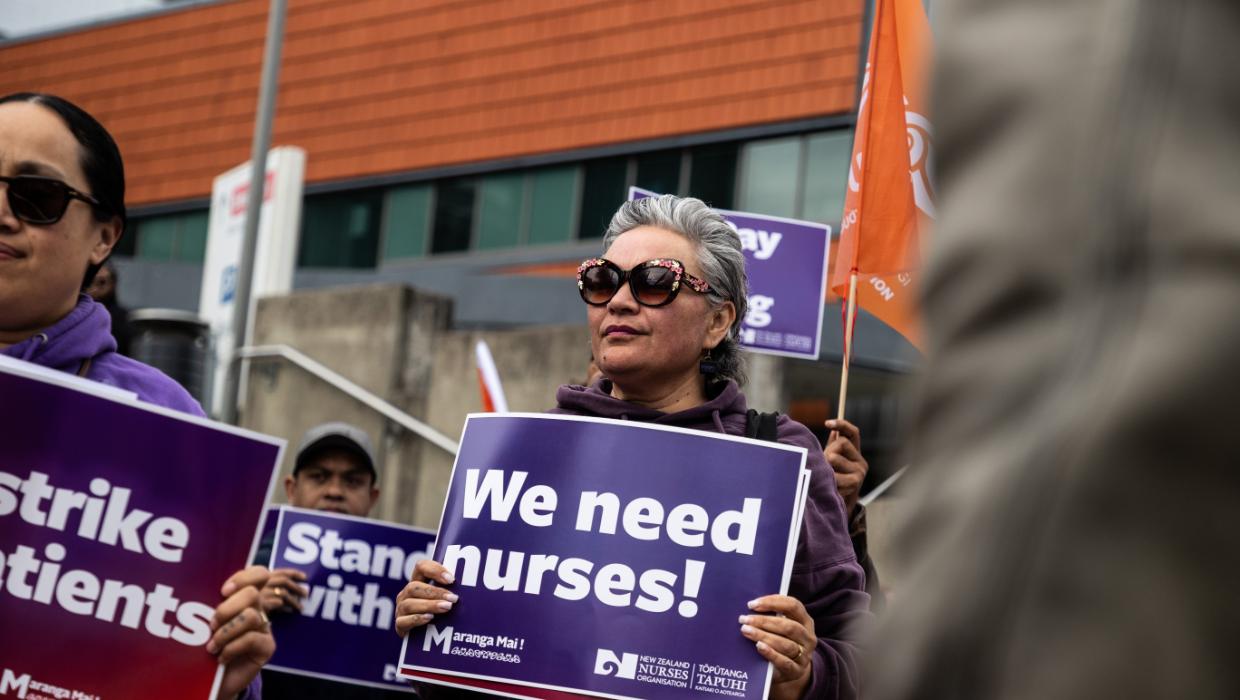
Wellington hospitals are experiencing significant delays in hiring frontline staff, with some positions remaining unfilled for over six months. Of nearly 500 roles across the Capital, Coast, and Hutt Valley regions, approximately half received approval within days to two months. However, many others have been stalled in the approval process for months, hindering recruitment efforts.
Government scrutiny has intensified as unions and the Government engage in negotiations over contracts, spotlighting workforce shortages and pay as pressing concerns. The Public Service Association (PSA), which represents allied health workers and mental health nurses, has requested data from Health New Zealand regarding the timeline of hiring requests submitted in March, April, and May 2023, and their subsequent approval.
Long Wait Times for Critical Roles
The data reveals that the longest wait for approval stretched to an alarming 30 weeks—over six months—for a medical imaging technologist in radiology and an ophthalmology medical officer. Additionally, three registered nurse roles in the neonatal intensive care unit faced a delay of 28 weeks. Other nursing positions, including roles in the adolescent inpatient unit and at the Kenepuru accident and medical clinic, experienced wait times exceeding 24 weeks.
Health Minister Simeon Brown emphasized that the data indicates progress in recruitment but urged Health New Zealand to expedite hiring processes. “My expectation is that frontline vacancies are recruited to at pace,” he stated. Brown attributed the delays to what he described as “Labour’s botched merger of all DHBs into one mega-entity in the middle of a pandemic,” which he claims has resulted in a slow and bureaucratic system.
The PSA’s national secretary, Fleur Fitzsimons, characterized the situation as a “disturbing snapshot” of the staffing crisis affecting healthcare workers nationwide. She warned that such prolonged vacancies compromise patient care and put immense stress on existing staff. “Dozens of teams across Wellington are waiting months for their recruitment requests to be approved internally, let alone filled,” Fitzsimons noted.
Factors Behind Recruitment Delays
In response to the ongoing concerns, Jamie Duncan of Health New Zealand for the Capital Coast and Hutt Valley regions outlined various reasons for the “carefully timed” recruitment process. These include accommodating new graduate intakes and avoiding repeated unsuccessful recruitment rounds. Temporary staffing arrangements often meet short-term needs, and recruitment volumes are managed to ensure efficient progress through roles.
Duncan asserted that within an organization as large as Health New Zealand, it is normal to have a significant number of vacancies at any given time, and the organization is continuously working to ensure services are safely and appropriately staffed.
Currently, Health New Zealand is engaged in negotiations with the PSA, which represents allied health staff, mental and public health nurses, and policy workers. These groups participated in a major strike last month and are set to walk off the job again on Friday, highlighting the urgency of addressing staffing and contract issues within the healthcare system.

Suzuki International Series Kicks Off Exciting Racing Season in Taupō

Controversial Flag Exhibition Invites Public Engagement in Hastings

Man Charged After Allegedly Swallowing $33,500 Pendant in Auckland

Skyline Queenstown Expands Dining Capacity with $200 Million Upgrade

Inside Santa’s Training School: Crafting a 40-Strong Elf Crew

Mike King Calls for Focus on Constituents After Audit Clears Contract

Craig Greenfield Inspires Change for Vulnerable Youth Globally

England’s Stokes and Team Criticized for Scooter Safety Violations

Black Caps Begin Home Test Summer Against West Indies in Christchurch

Test Your Knowledge: Take the Herald’s Afternoon Quiz Today

PM Faces Backlash from Fans During Netball Trophy Ceremony

Dunedin Designers Win Top Award at Hokonui Fashion Event

Liam Lawson Launches New Era for Racing Bulls with Strong Start

Experience the Excitement of ‘Chief of War’ in Oʻahu

Coalition Forms to Preserve Māori Wards in Hawke’s Bay

Disney Fan Reveals Dress Code Tips for Park Visitors

Walking Faster Offers Major Health Benefits for Older Adults

Scots Rally with Humor and Music to Protest Trump’s Visit
-
 World4 months ago
Test Your Knowledge: Take the Herald’s Afternoon Quiz Today
-
 Sports4 months ago
PM Faces Backlash from Fans During Netball Trophy Ceremony
-
 Lifestyle4 months ago
Dunedin Designers Win Top Award at Hokonui Fashion Event
-
 Sports4 months ago
Liam Lawson Launches New Era for Racing Bulls with Strong Start
-
 Entertainment4 months ago
Experience the Excitement of ‘Chief of War’ in Oʻahu
-
 World4 months ago
Coalition Forms to Preserve Māori Wards in Hawke’s Bay
-
 Lifestyle4 months ago
Disney Fan Reveals Dress Code Tips for Park Visitors
-
 Health4 months ago
Walking Faster Offers Major Health Benefits for Older Adults
-
 Politics4 months ago
Scots Rally with Humor and Music to Protest Trump’s Visit
-

 Top Stories4 months ago
UK and India Finalize Trade Deal to Boost Economic Ties
-

 Health2 months ago
Radio Host Jay-Jay Feeney’s Partner Secures Visa to Stay in NZ
-

 World4 months ago
Huntly Begins Water Pipe Flushing to Resolve Brown Water Issue