
Lifestyle
FIFA World Cup 2026 to Host Controversial Pride Match

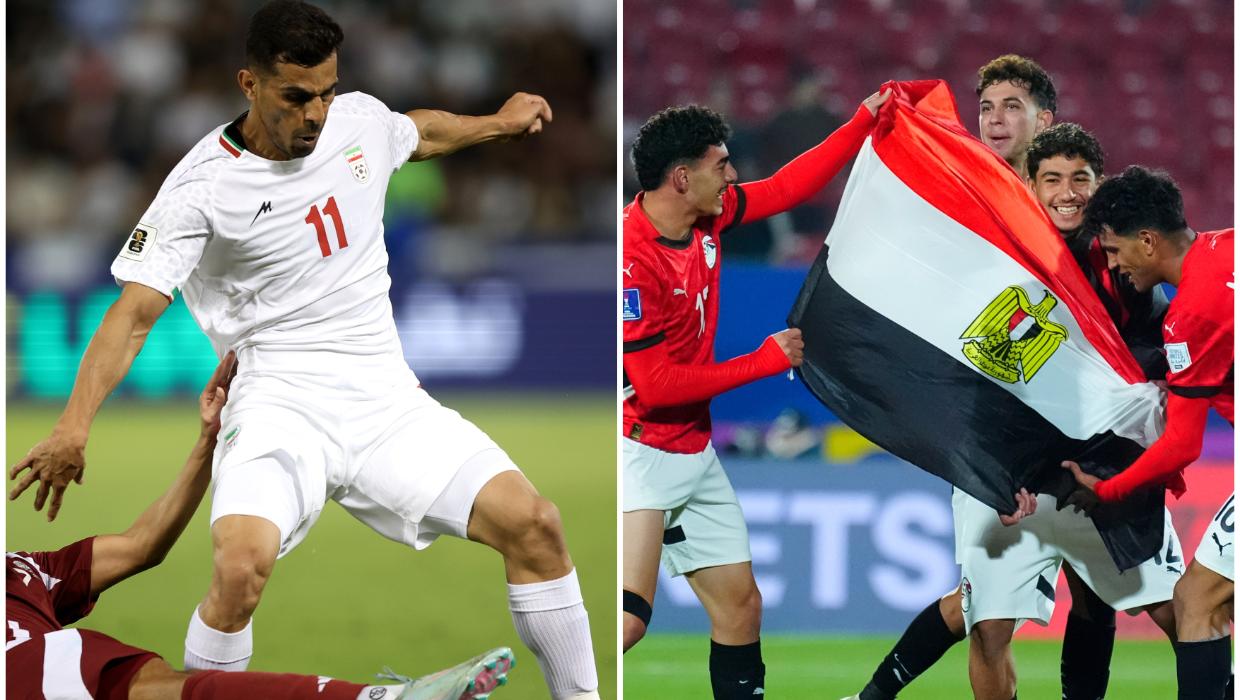
The upcoming FIFA World Cup 2026 will feature a match designated as an LGBTQ+ Pride Match, set to take place in Seattle, US. This event will showcase teams from Egypt and Iran, both countries where same-sex relationships are illegal. This decision has sparked significant discussion regarding inclusivity and human rights in the context of global sporting events.
FIFA has announced that the Pride Match will occur in December 2026 as part of its broader commitment to promoting diversity and equality within the sport. The inclusion of Egypt and Iran, which have strict laws against homosexuality, raises questions about the impact of such a match on LGBTQ+ rights and visibility in sports.
The announcement comes as part of FIFA’s ongoing efforts to create a welcoming environment for all fans, regardless of sexual orientation. The organization has faced criticism in the past for its handling of human rights issues, particularly in relation to the treatment of LGBTQ+ individuals in various host countries.
Supporters of the Pride Match emphasize the importance of visibility and representation in sports. By including teams from nations where homosexuality is penalized, FIFA aims to initiate conversations around these critical issues. Many hope that this match will serve as a catalyst for change and encourage greater acceptance of LGBTQ+ individuals globally.
The decision to host this match in the United States, known for its progressive stance on LGBTQ+ rights, further amplifies its significance. Seattle, in particular, has a vibrant LGBTQ+ community and is considered a welcoming city for diverse populations. The match is expected to attract considerable attention, not only for the football being played but also for the messages of equality and inclusion it seeks to convey.
While the announcement has received support from various advocacy groups, some critics argue that it could be seen as tokenism. They express concerns that merely hosting a Pride Match does not address the underlying issues faced by LGBTQ+ individuals in countries like Egypt and Iran. Activists stress the need for tangible changes in laws and societal attitudes rather than symbolic gestures.
As the date approaches, the international community will be watching closely to see how FIFA navigates the complexities of hosting a Pride Match featuring teams from nations with starkly contrasting views on LGBTQ+ rights. The implications of this match extend beyond the football field, potentially influencing discussions on human rights in sport and society at large.
FIFA’s commitment to inclusivity and the promotion of equality in football is commendable, but the real challenge lies in ensuring that this commitment translates into meaningful change. As the world prepares for the 2026 World Cup, the Pride Match between Egypt and Iran stands as a pivotal moment in the ongoing dialogue about LGBTQ+ rights and representation in the sporting arena.

FIFA World Cup 2026 to Host Controversial Pride Match

Mayor Condemns Assault of 10-Year-Old Boy at Local Park

New Zealand Student to Showcase Innovative Project at US Science Fair

2026 World Cup to Host Controversial Pride Match in Seattle

Tragic Fire Claims Lives of Elderly Couple in Foxton Beach

Elderly Couple Dies in Devastating Fire at Foxton Beach Home

Masterton Christmas Fair Thrives with Over 100 Stallholders

Auckland Train Shutdown Sparks Demand for Free Replacement Buses

New Zealand Student Sophie Ineson to Compete at US Science Fair

Test Your Knowledge: Take the Herald’s Afternoon Quiz Today

PM Faces Backlash from Fans During Netball Trophy Ceremony

Dunedin Designers Win Top Award at Hokonui Fashion Event

Experience the Excitement of ‘Chief of War’ in Oʻahu

Liam Lawson Launches New Era for Racing Bulls with Strong Start

Coalition Forms to Preserve Māori Wards in Hawke’s Bay

Walking Faster Offers Major Health Benefits for Older Adults

Disney Fan Reveals Dress Code Tips for Park Visitors

Scots Rally with Humor and Music to Protest Trump’s Visit
-
 World4 months ago
Test Your Knowledge: Take the Herald’s Afternoon Quiz Today
-
 Sports4 months ago
PM Faces Backlash from Fans During Netball Trophy Ceremony
-
 Lifestyle4 months ago
Dunedin Designers Win Top Award at Hokonui Fashion Event
-
 Entertainment4 months ago
Experience the Excitement of ‘Chief of War’ in Oʻahu
-
 Sports4 months ago
Liam Lawson Launches New Era for Racing Bulls with Strong Start
-
 World5 months ago
Coalition Forms to Preserve Māori Wards in Hawke’s Bay
-
 Health4 months ago
Walking Faster Offers Major Health Benefits for Older Adults
-
 Lifestyle4 months ago
Disney Fan Reveals Dress Code Tips for Park Visitors
-
 Politics4 months ago
Scots Rally with Humor and Music to Protest Trump’s Visit
-

 Top Stories5 months ago
UK and India Finalize Trade Deal to Boost Economic Ties
-

 Health2 months ago
Radio Host Jay-Jay Feeney’s Partner Secures Visa to Stay in NZ
-
 World5 months ago
Huntly Begins Water Pipe Flushing to Resolve Brown Water Issue