
Politics
Australia vs. New Zealand: A Comparison of Retirement Systems

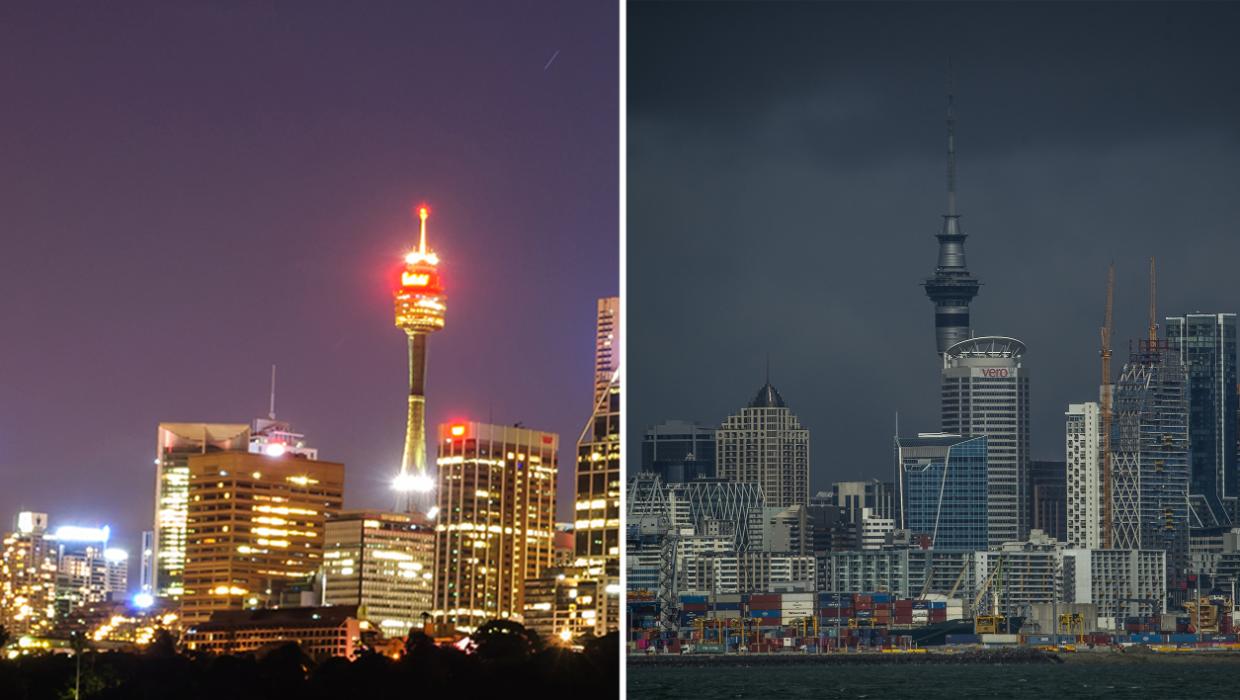
The debate over which country offers a better retirement system has gained traction, drawing comparisons between Australia and New Zealand. Both nations approach retirement planning with distinct strategies, reflecting their unique economic landscapes and social policies. As of 2023, the conversation has intensified around how these differences impact retirees’ quality of life.
Key Features of Retirement Systems
In Australia, the retirement framework primarily revolves around the Age Pension, which provides financial support to eligible seniors. According to the Australian Bureau of Statistics, approximately 2.5 million Australians receive some form of pension, which is designed to ensure a basic standard of living. The pension amount varies based on individual circumstances, with a maximum payment of about AUD 1,000 per fortnight for singles, and less for couples.
Conversely, New Zealand’s retirement system is heavily influenced by the KiwiSaver, a voluntary savings scheme established in 2007. Citizens and residents are encouraged to contribute a portion of their income towards their retirement savings, with employers also required to match contributions up to a certain limit. As of 2023, around 3.4 million Kiwis are enrolled in KiwiSaver, according to the New Zealand Treasury. The government also provides a flat-rate pension, known as the New Zealand Superannuation, which is available to all citizens over the age of 65, regardless of their savings.
Financial Stability and Growth
The financial health of retirees is influenced by several factors, including the adequacy of pensions and the growth of personal savings. In Australia, the OECD reports that the average retirement income is about 66% of pre-retirement earnings, which is considered relatively generous. However, concerns remain regarding the sustainability of the Age Pension amidst an aging population and rising life expectancy.
New Zealand’s model, while robust, faces its own challenges. The government’s approach ensures that the Superannuation remains universally accessible, but the reliance on KiwiSaver for additional retirement income means that those who do not contribute adequately may face financial difficulties in later years. The OECD indicates that New Zealanders typically receive about 65% of their pre-retirement income, which highlights the importance of personal savings.
The differences in these systems reflect broader economic philosophies. Australia’s approach leans towards a means-tested pension, while New Zealand emphasizes universal support, aiming to minimize poverty among seniors.
The discussions surrounding retirement in both countries are essential not only for policymakers but also for citizens planning for their future. As life expectancy increases and economic conditions evolve, ensuring that retirement systems can adapt to changing demographics and financial landscapes will remain crucial.
As these nations continue to refine their retirement strategies, both face the common challenge of balancing fiscal responsibility with ensuring a dignified retirement for their aging populations. The ongoing dialogue will likely influence how future generations prepare for retirement, making it an important issue in both Australia and New Zealand.

Tim Seifert Shines with Century in Big Bash League Opener

Residents Face $2,000–$7,000 Costs for Asphalt Streets in Tauranga

New Zealand Police Maintain Heightened Security at Jewish Sites

Food and Fibre Exports Projected to Hit Record $62 Billion in 2024

Splore Festival Announces Final Year with Grand Celebration

Discover the Nutritional Power of Turnips This Winter Season

Kiwi Golfer Vivian Lu Transfers to University of Texas

Heavy Rain and Strong Winds Set to Disrupt Holiday Plans in New Zealand

Bystander Overcomes Terrorist Attack in Bondi, Vows to Act Again

Test Your Knowledge: Take the Herald’s Afternoon Quiz Today

PM Faces Backlash from Fans During Netball Trophy Ceremony

Tongan Star Eli Katoa Shares Recovery Update After Surgery

Dunedin Designers Win Top Award at Hokonui Fashion Event

Experience the Excitement of ‘Chief of War’ in Oʻahu

Liam Lawson Launches New Era for Racing Bulls with Strong Start

Coalition Forms to Preserve Māori Wards in Hawke’s Bay

Walking Faster Offers Major Health Benefits for Older Adults

Disney Fan Reveals Dress Code Tips for Park Visitors
-
 World5 months ago
Test Your Knowledge: Take the Herald’s Afternoon Quiz Today
-
 Sports5 months ago
PM Faces Backlash from Fans During Netball Trophy Ceremony
-
 Top Stories2 weeks ago
Tongan Star Eli Katoa Shares Recovery Update After Surgery
-
 Lifestyle5 months ago
Dunedin Designers Win Top Award at Hokonui Fashion Event
-
 Entertainment5 months ago
Experience the Excitement of ‘Chief of War’ in Oʻahu
-
 Sports5 months ago
Liam Lawson Launches New Era for Racing Bulls with Strong Start
-
 World5 months ago
Coalition Forms to Preserve Māori Wards in Hawke’s Bay
-
 Health5 months ago
Walking Faster Offers Major Health Benefits for Older Adults
-
 Lifestyle5 months ago
Disney Fan Reveals Dress Code Tips for Park Visitors
-

 Politics5 months ago
Scots Rally with Humor and Music to Protest Trump’s Visit
-
 Top Stories5 months ago
UK and India Finalize Trade Deal to Boost Economic Ties
-

 Health3 months ago
Radio Host Jay-Jay Feeney’s Partner Secures Visa to Stay in NZ