
Politics
Coalition Faces Division as Peters Rejects India Trade Agreement

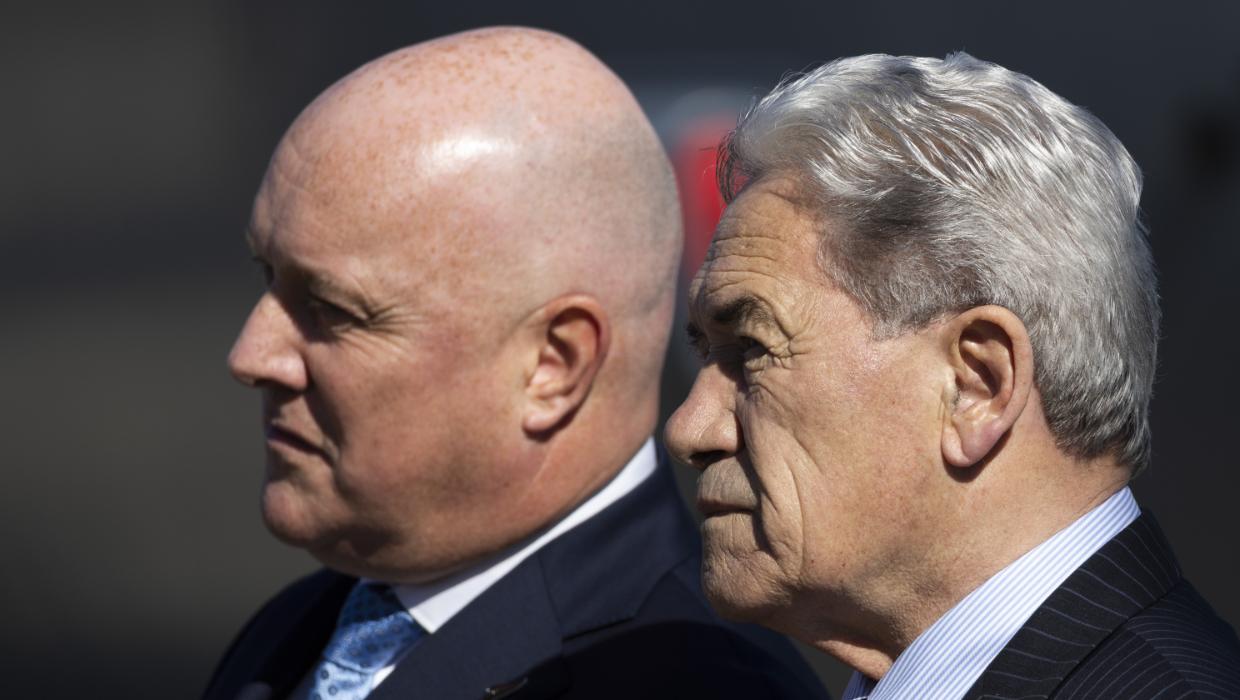
The coalition government in New Zealand is experiencing significant tension as Deputy Prime Minister Winston Peters announced his party’s opposition to the National Party’s proposed free trade deal with India. Peters described the agreement as “low quality” and “rushed,” further complicating the political landscape ahead of critical negotiations.
Peters, leader of the New Zealand First Party, expressed strong reservations about the implications of the deal during a press conference on October 10, 2023. He emphasized the need for a thorough assessment of the trade agreement before moving forward, stating that the current proposal does not adequately protect New Zealand’s interests.
Concerns Over Trade Agreement
The proposed free trade deal aims to enhance economic ties between New Zealand and India, tapping into a market that has long been viewed as a significant opportunity for growth. However, Peters’ criticism raises questions about the viability of the coalition’s support for the initiative. He pointed out that the deal was negotiated in haste, potentially sacrificing quality for expediency.
Peters’ objections highlight a broader concern among some lawmakers regarding the balance between facilitating trade and protecting domestic industries. He asserted that a more comprehensive approach is necessary to ensure that the benefits of such agreements reach all sectors of the economy.
In response to Peters’ comments, a representative from the National Party defended the deal as a crucial step towards expanding New Zealand’s trade network. They argued that the agreement would create thousands of jobs and significantly boost exports. Despite this, Peters remains steadfast in his opposition, which could lead to further complications for the coalition government.
Political Ramifications
The division within the coalition could have far-reaching political consequences. If New Zealand First votes against the deal, it may lead to a reassessment of the coalition’s overall stability. Political analysts suggest that Peters’ stance could embolden other dissenting voices within the coalition, potentially triggering a broader challenge to the government’s agenda.
As the debate continues, the outcome of the free trade deal with India will likely shape not only New Zealand’s economic landscape but also its political future. With negotiations ongoing, all eyes will be on the coalition’s ability to navigate these challenges and present a united front in the face of increasing scrutiny.
Peters’ comments underscore the complexities of trade negotiations in a globalized economy, where competing interests must be carefully balanced. As New Zealand moves forward, the implications of this trade deal will resonate far beyond the political arena, impacting businesses and consumers alike.

New Zealand Housing Affordability: A Mixed Picture in 2023

Dive into New Podcasts: Quarantine Nation, Griefcast, and a True Crime Mystery

Financial Expert Hannah McQueen Offers Retirement Planning Tips

Italy Invests €30 Million to Acquire Rare Caravaggio Painting

Speculation Grows as JD Vance Remains Silent on Trump’s Agenda

New Research Links Daily Multivitamins to Slower Biological Ageing

All Blacks Need to Shift Strategy for Effective Wing Play

NZ First and Act Reject Inland Revenue’s Tax Proposal on Loans

Air New Zealand Faces Financial Turmoil Amid Leadership Scrutiny

Lima Sopoaga Returns to New Zealand to Boost Waikato in NPC

Stabbing During Altercation Outside Mahia Rd Superette in Auckland

Test Your Knowledge: Take the Herald’s Afternoon Quiz Today

Experience the Excitement of ‘Chief of War’ in Oʻahu

PM Faces Backlash from Fans During Netball Trophy Ceremony

Tongan Star Eli Katoa Shares Recovery Update After Surgery

Dunedin Designers Win Top Award at Hokonui Fashion Event

Liam Lawson Launches New Era for Racing Bulls with Strong Start

Magda Szubanski Honoured at Logies Hall of Fame Ceremony
-
 Top Stories7 months ago
Lima Sopoaga Returns to New Zealand to Boost Waikato in NPC
-
 Top Stories4 months ago
Stabbing During Altercation Outside Mahia Rd Superette in Auckland
-
 World8 months ago
Test Your Knowledge: Take the Herald’s Afternoon Quiz Today
-
 Entertainment8 months ago
Experience the Excitement of ‘Chief of War’ in Oʻahu
-
 Sports8 months ago
PM Faces Backlash from Fans During Netball Trophy Ceremony
-
 Top Stories3 months ago
Tongan Star Eli Katoa Shares Recovery Update After Surgery
-
 Lifestyle8 months ago
Dunedin Designers Win Top Award at Hokonui Fashion Event
-
 Sports8 months ago
Liam Lawson Launches New Era for Racing Bulls with Strong Start
-
 Top Stories7 months ago
Magda Szubanski Honoured at Logies Hall of Fame Ceremony
-

 World8 months ago
Coalition Forms to Preserve Māori Wards in Hawke’s Bay
-

 Health8 months ago
Walking Faster Offers Major Health Benefits for Older Adults
-

 Lifestyle8 months ago
Disney Fan Reveals Dress Code Tips for Park Visitors