
Politics
David Seymour Responds to Mouldy Meals Report at Christchurch School

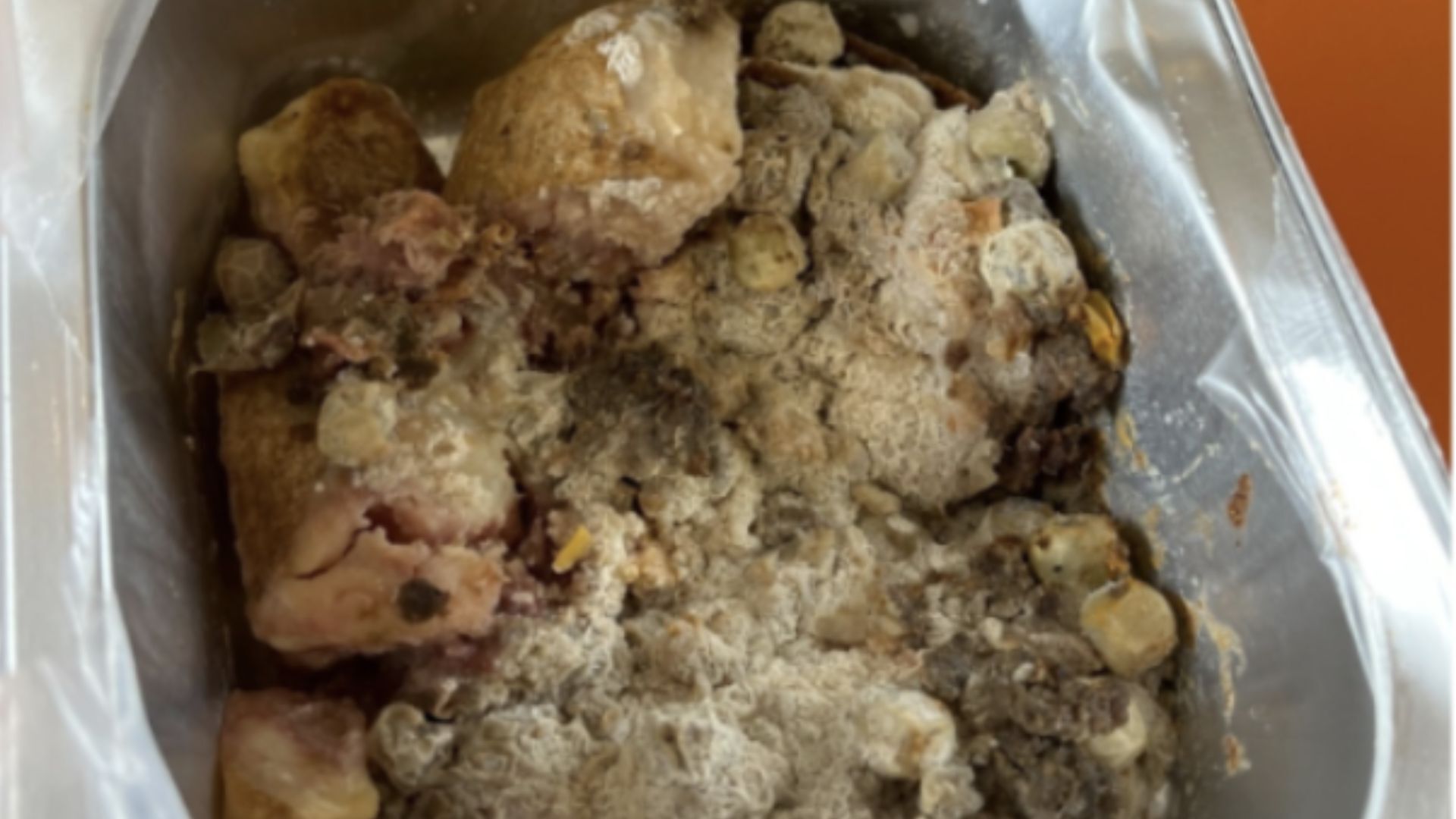
Concerns about mouldy meals at Haeata Community Campus in Christchurch have prompted a strong response from New Zealand’s School Lunches Minister, David Seymour. Following the release of an investigation by New Zealand Food Safety (NZFS), Seymour stated that the school’s principal, Peggy Burrows, is now “eating humble pie” regarding her previous assertions about the incident.
The investigation confirmed that the mouldy lunches discovered on December 1, 2023, had likely been at the school for several days before their identification. According to the NZFS report, the meals were misplaced and left unrefrigerated over the weekend. Burrows had initially disputed claims of school responsibility but is now conducting her own internal investigation, which she indicated would be completed by the end of the week.
Seymour dismissed the food safety concerns raised by critics. He stated, “There is no question here about food safety. People who have tried to say that have had to eat a different meal, which is humble pie.” He emphasized that the findings of the NZFS report were clear and spoke for themselves.
Details of the Investigation
The issue came to light when a staff member found approximately 20 mouldy meals at the school. On that day, Haeata Community Campus received 343 standard meals and 28 special dietary meals. The meals are delivered in insulated Cambro containers, each capable of holding up to 44 meals. The menu on that day included savoury minced beef and potatoes, identical to the meal served the previous Thursday.
NZFS noted that no meals were delivered on Friday, November 28, due to a teacher-only day. Instead, that delivery van supplied meals to other schools. The investigation concluded that it was unlikely that leftover meals from the previous week were included in Monday’s delivery.
Investigators found that the school kept additional Cambro containers but did not adequately monitor their contents. After distribution, some containers were returned to the cafeteria, where students had access to meals later. This led to the conclusion that the mouldy meals were inadvertently left in the cafeteria containers and later offered to students.
CCTV footage revealed that eight Cambro containers were delivered to the school on November 27, while nine were returned later that day. All 20 mouldy meals were located in a single container. The NZFS stated that it was improbable the distributor was at fault, as no similar complaints had surfaced from other schools that received the same meals.
Reassurances and Recommendations
The investigation by NZFS identified no ongoing food safety risks connected to the School Lunch Collective. Vincent Arbuckle, deputy director-general of NZFS, noted that various potential scenarios were considered, including the mishandling of containers and the reintroduction of leftover meals. Following the investigation, the agency provided recommendations aimed at improving traceability, reporting, and handling processes across schools and suppliers.
Parents and students have been assured that the situation has been thoroughly addressed and that there is no continued risk to food safety. The incident has highlighted the importance of vigilance in food handling practices within schools to prevent similar occurrences in the future.

Sevu Reece to Join Perpignan After 2026 Super Rugby Season

Uber Reveals Napier and Hastings as New Zealand’s Lowest-Rated Riders

Westpac Signals Shift in Interest Rates with Recent Increase

Westpac Raises Interest Rates as Economists See Turning Point

Security Thwarts Man Accosting Ariana Grande at Concert Red Carpet

Women in Their 30s Show Signs of Mimicking Their Mothers

Mitch Hay Seizes Opportunity as Black Caps Face West Indies

Earth Overshoot Day Highlights Urgent Need for Sustainable Practices

Property Prices Decline Post-Spring Surge, Yet Market Resilient

Test Your Knowledge: Take the Herald’s Afternoon Quiz Today

PM Faces Backlash from Fans During Netball Trophy Ceremony

Dunedin Designers Win Top Award at Hokonui Fashion Event

Experience the Excitement of ‘Chief of War’ in Oʻahu

Liam Lawson Launches New Era for Racing Bulls with Strong Start

Coalition Forms to Preserve Māori Wards in Hawke’s Bay

Walking Faster Offers Major Health Benefits for Older Adults

Disney Fan Reveals Dress Code Tips for Park Visitors

Scots Rally with Humor and Music to Protest Trump’s Visit
-
 World4 months ago
Test Your Knowledge: Take the Herald’s Afternoon Quiz Today
-
 Sports5 months ago
PM Faces Backlash from Fans During Netball Trophy Ceremony
-
 Lifestyle5 months ago
Dunedin Designers Win Top Award at Hokonui Fashion Event
-
 Entertainment5 months ago
Experience the Excitement of ‘Chief of War’ in Oʻahu
-
 Sports5 months ago
Liam Lawson Launches New Era for Racing Bulls with Strong Start
-
 World5 months ago
Coalition Forms to Preserve Māori Wards in Hawke’s Bay
-
 Health5 months ago
Walking Faster Offers Major Health Benefits for Older Adults
-
 Lifestyle5 months ago
Disney Fan Reveals Dress Code Tips for Park Visitors
-
 Politics5 months ago
Scots Rally with Humor and Music to Protest Trump’s Visit
-

 Top Stories5 months ago
UK and India Finalize Trade Deal to Boost Economic Ties
-

 Health2 months ago
Radio Host Jay-Jay Feeney’s Partner Secures Visa to Stay in NZ
-

 World5 months ago
Huntly Begins Water Pipe Flushing to Resolve Brown Water Issue