
Politics
Japan’s Sumo Ring Remains Off-Limits to Women, Sparking Debate

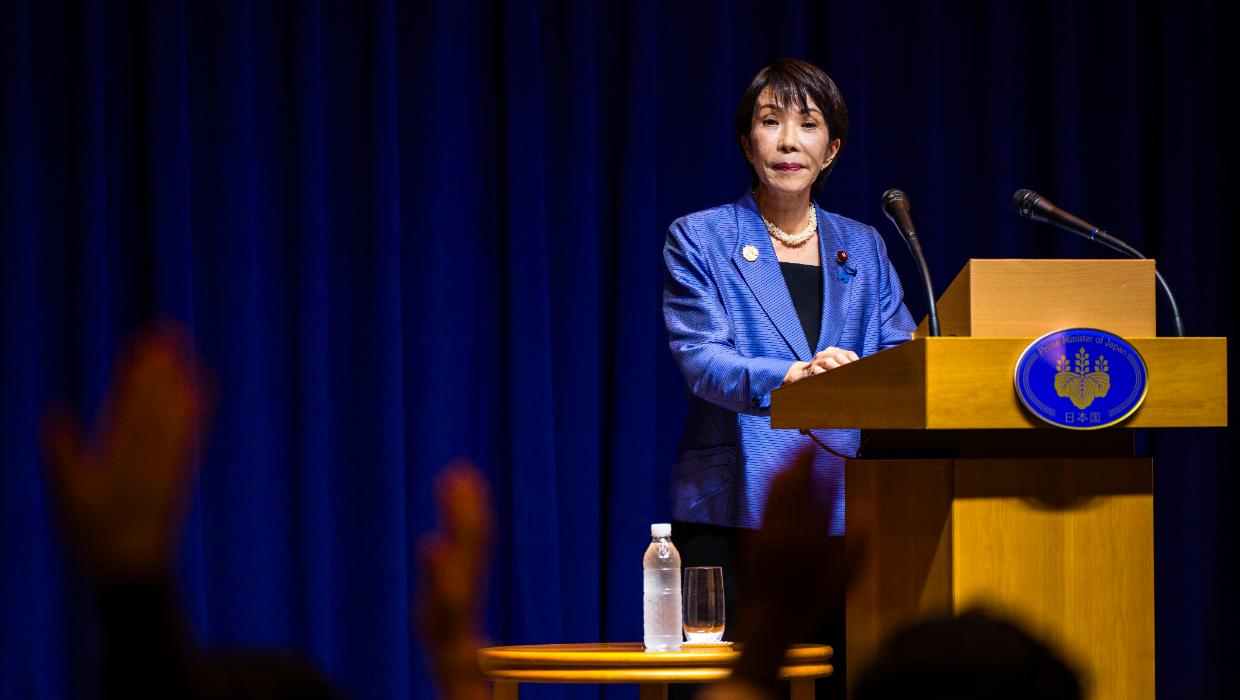
The longstanding prohibition against women entering the sacred sumo ring in Japan has come under renewed scrutiny following comments from Fumio Kishida, the country’s Prime Minister. Despite his recent inauguration, Kishida has not been granted access to this revered space, a decision that critics argue exemplifies ongoing gender discrimination within the nation’s traditional sport.
Sumo wrestling holds a unique place in Japanese culture, revered as the national sport. The ring, known as the dohyo, is seen as a sacred area, governed by strict traditions that include the exclusion of women. This regulation has persisted for centuries, drawing criticism both domestically and internationally.
Critics assert that the current guidelines reflect outdated attitudes towards gender roles and challenge the image of Japan as a progressive society. Activists have called for reform, arguing that allowing women into the ring would symbolize a step towards greater equality in a sport that has historically been male-dominated.
On October 3, 2023, during a parliamentary session, Kishida acknowledged the significance of sumo as a national treasure but refrained from advocating for changes to the existing rules. His comments raised eyebrows, as many expected a leader of a modern nation to address the issue of gender discrimination more vigorously.
The Japan Sumo Association, which oversees the sport, maintains that the ring’s sacred status necessitates the prohibition of women. They argue that the tradition is deeply rooted in Shinto beliefs, which attribute spiritual significance to the space. However, this justification has not quelled the growing calls for change.
Organizations advocating for women’s rights have highlighted that similar traditions in other cultures have evolved over time, indicating a potential pathway for sumo to adapt. For instance, various sports have made strides towards inclusivity, allowing women to participate more fully in all facets of the game.
Internationally, figures in sports and gender advocacy have voiced their support for change within the sumo community. They emphasize the importance of challenging norms that restrict participation based on gender. Prominent voices have pointed out that allowing women into the ring could inspire broader societal changes, encouraging young girls to engage in sports without the constraints of tradition.
As discussions continue, the future of women’s participation in sumo remains uncertain. The debate underscores a larger conversation about gender equality in sports, particularly in cultures with deep-rooted traditions. The outcome could set a precedent not only for sumo but also for other sports within Japan and beyond.
While Kishida and the Japan Sumo Association uphold the sanctity of the dohyo, advocates for reform insist that change is essential for fostering an inclusive environment in which all athletes can thrive. As this issue unfolds, the world watches closely to see if Japan’s revered sport will evolve to reflect changing societal values.

US Federal Reserve Faces Divisions Over Interest Rate Cuts

Prince Harry Reflects on Royal Life with Humorous ‘Downton Abbey’ Comparison

McInnes Claims Qatar Off-Road Championship Title in Thrilling Finale

Challenge Your Vocabulary with Today’s Hard Word Quiz

Ngira Simmonds Critiques Leadership at Te Pāti Māori AGM

South Island Researcher Fights Cancer with Innovative Blood Test

One NZ Enhances Customer Service with 31 AI Agents

Kids Test Knowledge with Fun Kangaroo Quiz on December 7

Recognizing the Signs That Indicate You Need Iron Supplements

Test Your Knowledge: Take the Herald’s Afternoon Quiz Today

PM Faces Backlash from Fans During Netball Trophy Ceremony

Dunedin Designers Win Top Award at Hokonui Fashion Event

Experience the Excitement of ‘Chief of War’ in Oʻahu

Liam Lawson Launches New Era for Racing Bulls with Strong Start

Coalition Forms to Preserve Māori Wards in Hawke’s Bay

Walking Faster Offers Major Health Benefits for Older Adults

Disney Fan Reveals Dress Code Tips for Park Visitors

Scots Rally with Humor and Music to Protest Trump’s Visit
-
 World4 months ago
Test Your Knowledge: Take the Herald’s Afternoon Quiz Today
-
 Sports4 months ago
PM Faces Backlash from Fans During Netball Trophy Ceremony
-
 Lifestyle4 months ago
Dunedin Designers Win Top Award at Hokonui Fashion Event
-
 Entertainment4 months ago
Experience the Excitement of ‘Chief of War’ in Oʻahu
-
 Sports4 months ago
Liam Lawson Launches New Era for Racing Bulls with Strong Start
-
 World5 months ago
Coalition Forms to Preserve Māori Wards in Hawke’s Bay
-
 Health4 months ago
Walking Faster Offers Major Health Benefits for Older Adults
-
 Lifestyle4 months ago
Disney Fan Reveals Dress Code Tips for Park Visitors
-
 Politics4 months ago
Scots Rally with Humor and Music to Protest Trump’s Visit
-

 Top Stories5 months ago
UK and India Finalize Trade Deal to Boost Economic Ties
-

 Health2 months ago
Radio Host Jay-Jay Feeney’s Partner Secures Visa to Stay in NZ
-

 World5 months ago
Huntly Begins Water Pipe Flushing to Resolve Brown Water Issue