
Politics
New Strategies Proposed to Revamp Resource Management Act

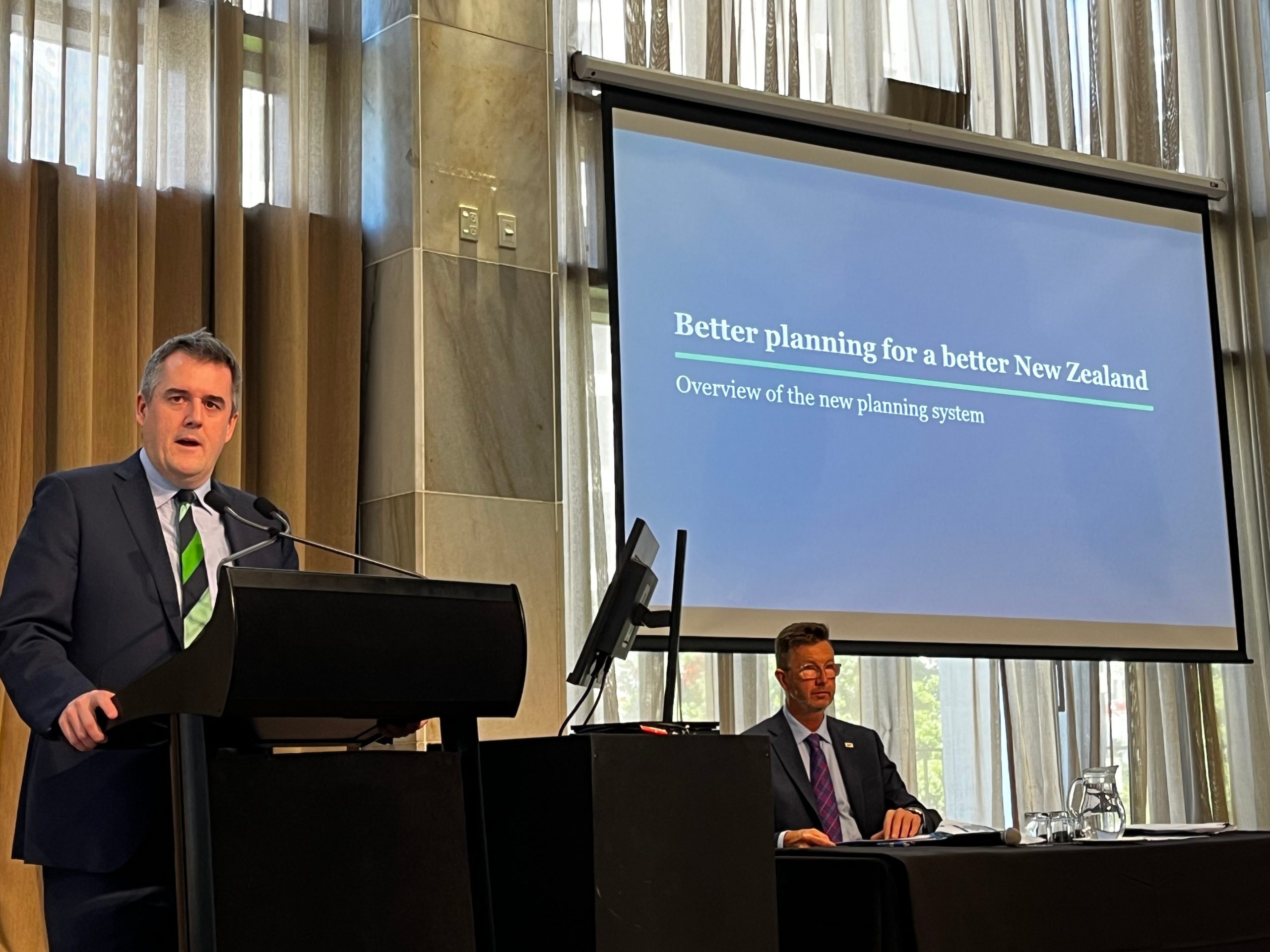
In August 2016, former finance minister Bill English highlighted the limitations of New Zealand’s urban planning regulations during a discussion about a draft review by the Productivity Commission. English acknowledged the system’s strengths but emphasized its “unresponsive and risk-averse” nature, calling for a fundamental shift in the “planning culture.” This marked the beginning of conversations aimed at overhauling the Resource Management Act (RMA).
The RMA, established to promote sustainable management of natural resources, has faced criticism for its complexity and rigidity. Stakeholders argue that it has hindered timely development and infrastructure projects, which are crucial for accommodating New Zealand’s growing population. English’s remarks underscored the need for new legislation to create a more flexible and proactive regulatory framework.
Challenges with Current Urban Planning Regulations
Urban planners and developers have long pointed out that the existing RMA framework can lead to prolonged approval processes. According to a report from the Productivity Commission, the average time for resource consents has increased significantly, with some projects taking years to gain approval. This delay not only burdens developers but also impacts communities waiting for new housing and amenities.
English noted that a cultural shift is essential for addressing these issues. He proposed that a more permissive planning environment would facilitate quicker decision-making and better reflect the needs of local communities. This approach aims to balance environmental protection with the demand for development, ensuring sustainable growth without stifling progress.
Legislative changes could include streamlined consent processes and clearer guidelines for urban development. By simplifying regulations, the government aims to promote economic growth while maintaining environmental standards.
Next Steps in Reforming the RMA
The government has taken initial steps toward reforming the RMA by seeking public input on proposed changes. In a series of consultations, stakeholders from various sectors, including environmental groups, local councils, and business leaders, are sharing their insights on how to improve the system.
The push for reform aligns with broader government goals to enhance housing supply and infrastructure development. In the face of rising housing costs and increasing demand, officials recognize the urgency of modernizing planning regulations.
As the government moves forward with proposed reforms, the emphasis will be on creating a more adaptable framework that can respond to the evolving needs of New Zealand’s cities and communities. The outcome of these discussions could redefine how urban planning is approached, potentially leading to a more dynamic and efficient system that benefits both developers and residents alike.
In summary, the call for a revised RMA reflects a growing recognition of the need for a more responsive planning culture. With contributions from key stakeholders and a commitment to balancing development with sustainability, New Zealand may be on the path to a more effective regulatory framework that meets the challenges of the future.

Businesses Urged to Integrate Print in 2026 Marketing Strategies

Newstalk ZB Highlights: Key Moments from Tuesday’s Broadcast

Boost Your Health: Six Essential Protein Foods for Men Over 50

Kiwis Embrace Practical Gifting for a Meaningful Christmas

New Strategies Proposed to Revamp Resource Management Act

New Zealand Student to Showcase Innovative Science Project in US

Black Sox Denied Gold Medal After Venezuelan Pitcher’s Doping Case

Fire Claims Lives of Elderly Couple in Foxton Beach Home

Black Sox Denied Gold as Venezuela Pitcher Banned for Doping

Test Your Knowledge: Take the Herald’s Afternoon Quiz Today

PM Faces Backlash from Fans During Netball Trophy Ceremony

Dunedin Designers Win Top Award at Hokonui Fashion Event

Experience the Excitement of ‘Chief of War’ in Oʻahu

Liam Lawson Launches New Era for Racing Bulls with Strong Start

Coalition Forms to Preserve Māori Wards in Hawke’s Bay

Walking Faster Offers Major Health Benefits for Older Adults

Disney Fan Reveals Dress Code Tips for Park Visitors

Scots Rally with Humor and Music to Protest Trump’s Visit
-
 World4 months ago
Test Your Knowledge: Take the Herald’s Afternoon Quiz Today
-
 Sports4 months ago
PM Faces Backlash from Fans During Netball Trophy Ceremony
-
 Lifestyle4 months ago
Dunedin Designers Win Top Award at Hokonui Fashion Event
-
 Entertainment5 months ago
Experience the Excitement of ‘Chief of War’ in Oʻahu
-
 Sports4 months ago
Liam Lawson Launches New Era for Racing Bulls with Strong Start
-
 World5 months ago
Coalition Forms to Preserve Māori Wards in Hawke’s Bay
-
 Health4 months ago
Walking Faster Offers Major Health Benefits for Older Adults
-
 Lifestyle4 months ago
Disney Fan Reveals Dress Code Tips for Park Visitors
-
 Politics4 months ago
Scots Rally with Humor and Music to Protest Trump’s Visit
-

 Top Stories5 months ago
UK and India Finalize Trade Deal to Boost Economic Ties
-

 Health2 months ago
Radio Host Jay-Jay Feeney’s Partner Secures Visa to Stay in NZ
-

 World5 months ago
Huntly Begins Water Pipe Flushing to Resolve Brown Water Issue