
Politics
New Zealand’s RMA Reform Aims to Reduce Planning Red Tape

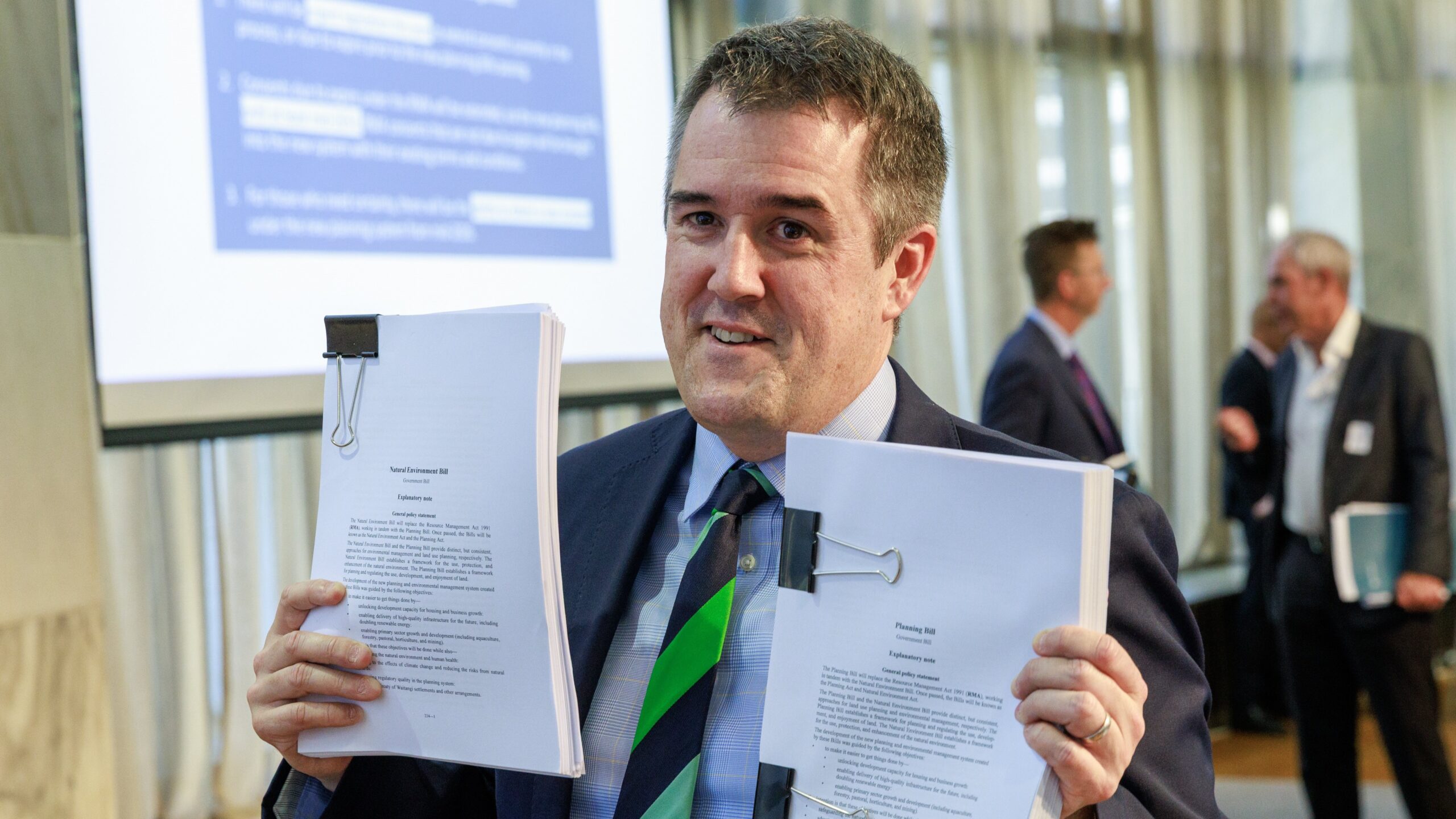
The New Zealand Government has unveiled a significant reform of the Resource Management Act (RMA), aiming to reduce the overwhelming number of planning zones that currently hinder development. This initiative comes in response to widespread criticism regarding the country’s restrictive planning environment, which has earned it the nickname “No Zealand” from international observers, including cruise executives from Miami.
In a recent statement, Roger Gray, the chief executive of Auckland Port, highlighted the frustrations surrounding New Zealand’s planning process, which has led to a culture of rejection. He noted that while Japan operates under just 13 planning zones, New Zealand has a staggering 1,200, each with its own unique regulations. The new proposal, presented by Chris Bishop, seeks to drastically cut this number down to 17. While this remains higher than Japan’s total, it represents a substantial reduction of approximately 98.5%.
The proposed changes are generally viewed as overdue and necessary, with many citizens acknowledging the need for a more flexible planning framework. Yet, the challenge lies in how these reforms will be implemented and the potential political fallout that may ensue. As the Government pushes forward with its plans, the debate over property rights and local opposition is likely to intensify.
Both Auckland and Wellington face urgent housing shortages, and the new RMA changes are intended to facilitate the construction of new homes. Nonetheless, opposition from local residents, often referred to as “NIMBYs” (Not In My Backyard), is anticipated. As individuals gain more rights to develop their properties, there is concern that this could lead to unwanted developments that impact views and local environments.
The balancing act between encouraging development and preserving community interests is delicate. While the reforms aim to reduce the number of “no” responses in planning applications, they may also lead to conflicts over new projects. Residents may find themselves unable to oppose developments that they feel compromise their quality of life or harm local ecosystems, such as the preservation of indigenous wildlife.
Despite these potential challenges, many New Zealanders are ready for a shift away from the entrenched mindset that has characterized planning in the country. The transition to a more affirmative approach towards development will require time and adjustment. As the Government takes steps to reshape the RMA, it will be essential to consider the voices of both developers and local communities to ensure a balanced and productive outcome for all stakeholders involved.
This reform represents a pivotal moment for New Zealand’s approach to urban planning and development, with the potential to foster growth and innovation while addressing long-standing housing issues. As the country moves forward, the impacts of these changes will be closely monitored, both locally and internationally.

Test Your Vocabulary: Solve Today’s Challenging Word Quiz

New Zealand’s RMA Reform Aims to Reduce Planning Red Tape

New Zealand Student to Showcase Innovative Science Project at US Fair

Black Caps and West Indies Battle to Dramatic Draw in Christchurch

Vanuatu’s Manoa Tarroux Makes Waves at World Junior Surfing Championships

Huw Edwards Faces Backlash Over Controversial Facebook Post

Microsoft Unveils $21.8 Billion AI Investment in India

Pamela Anderson and Liam Neeson Confirm Shift to Friendship

Protect Your Energy This Holiday Season: 3 Essential Tips

Test Your Knowledge: Take the Herald’s Afternoon Quiz Today

PM Faces Backlash from Fans During Netball Trophy Ceremony

Dunedin Designers Win Top Award at Hokonui Fashion Event

Experience the Excitement of ‘Chief of War’ in Oʻahu

Liam Lawson Launches New Era for Racing Bulls with Strong Start

Coalition Forms to Preserve Māori Wards in Hawke’s Bay

Walking Faster Offers Major Health Benefits for Older Adults

Disney Fan Reveals Dress Code Tips for Park Visitors

Scots Rally with Humor and Music to Protest Trump’s Visit
-
 World4 months ago
Test Your Knowledge: Take the Herald’s Afternoon Quiz Today
-
 Sports4 months ago
PM Faces Backlash from Fans During Netball Trophy Ceremony
-
 Lifestyle4 months ago
Dunedin Designers Win Top Award at Hokonui Fashion Event
-
 Entertainment5 months ago
Experience the Excitement of ‘Chief of War’ in Oʻahu
-
 Sports4 months ago
Liam Lawson Launches New Era for Racing Bulls with Strong Start
-
 World5 months ago
Coalition Forms to Preserve Māori Wards in Hawke’s Bay
-
 Health4 months ago
Walking Faster Offers Major Health Benefits for Older Adults
-
 Lifestyle4 months ago
Disney Fan Reveals Dress Code Tips for Park Visitors
-
 Politics4 months ago
Scots Rally with Humor and Music to Protest Trump’s Visit
-

 Top Stories5 months ago
UK and India Finalize Trade Deal to Boost Economic Ties
-

 Health2 months ago
Radio Host Jay-Jay Feeney’s Partner Secures Visa to Stay in NZ
-

 World5 months ago
Huntly Begins Water Pipe Flushing to Resolve Brown Water Issue