
Politics
Oranga Tamariki Acknowledges Youth Held Beyond Legal Limits

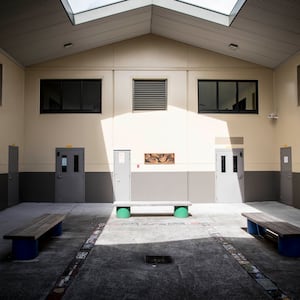
Oranga Tamariki officials have confirmed that some young people are being held in secure units for periods exceeding the legal limit. This situation arises partly from insufficient staff training. Secure units are highly controlled environments designed for youth in care facilities or youth justice systems who pose risks to themselves or others. Under New Zealand law, individuals can remain in these units for a maximum of three days. If longer detention is necessary, staff must seek a formal extension from the courts.
During a parliamentary select committee session, Willow-Jean Prime, Labour’s spokeswoman for children, raised concerns regarding this practice. Officials from Oranga Tamariki acknowledged that there have been instances where young people have been detained beyond the three-day limit without securing the required court extension.
The legal framework governing the use of secure units is intended to protect the rights of young individuals while ensuring their safety and that of others. When young people are held for extended periods without proper authorization, it raises serious questions about their treatment and the accountability of the system.
In light of these admissions, there is growing pressure on Oranga Tamariki to address the underlying issues contributing to these extended detentions. Staff training has emerged as a critical factor. The agency has stated that enhancing training programs is a priority to ensure compliance with legal standards and to better serve vulnerable youth populations.
The revelation has sparked debate among lawmakers and advocates, highlighting the need for reform within the youth justice system. Advocates argue that prolonged detention in restrictive environments can have detrimental effects on young people’s mental health and rehabilitation prospects.
As discussions continue, Oranga Tamariki faces scrutiny over its operational practices. The agency must not only rectify current shortcomings but also implement sustainable solutions to prevent future incidents. Stakeholders, including government officials and child welfare advocates, are calling for increased oversight and transparency in the handling of youth in secure units.
This situation illustrates the complex challenges faced by youth justice systems globally, where balancing safety, legal compliance, and the welfare of young individuals remains a significant concern. As the public and lawmakers demand accountability, the focus will likely remain on ensuring that the rights of young people are upheld and that they receive the support necessary for their development and reintegration into society.

New Zealand Sharemarket Rises 0.4% Amid Crypto Concerns

Simon Helberg Surprises Diners at Te Awamutu’s Fahrenheit Restaurant

Uncovering Schizophrenia: Understanding Its Hidden Prevalence

Non-Alcoholic Drinks Transform Christmas Celebrations in New Zealand

Oranga Tamariki Acknowledges Youth Held Beyond Legal Limits

Suzuki International Series Kicks Off Exciting Racing Season in Taupō

Controversial Flag Exhibition Invites Public Engagement in Hastings

Man Charged After Allegedly Swallowing $33,500 Pendant in Auckland

Skyline Queenstown Expands Dining Capacity with $200 Million Upgrade

Test Your Knowledge: Take the Herald’s Afternoon Quiz Today

PM Faces Backlash from Fans During Netball Trophy Ceremony

Dunedin Designers Win Top Award at Hokonui Fashion Event

Liam Lawson Launches New Era for Racing Bulls with Strong Start

Experience the Excitement of ‘Chief of War’ in Oʻahu

Coalition Forms to Preserve Māori Wards in Hawke’s Bay

Disney Fan Reveals Dress Code Tips for Park Visitors

Walking Faster Offers Major Health Benefits for Older Adults

Scots Rally with Humor and Music to Protest Trump’s Visit
-
 World4 months ago
Test Your Knowledge: Take the Herald’s Afternoon Quiz Today
-
 Sports4 months ago
PM Faces Backlash from Fans During Netball Trophy Ceremony
-
 Lifestyle4 months ago
Dunedin Designers Win Top Award at Hokonui Fashion Event
-
 Sports4 months ago
Liam Lawson Launches New Era for Racing Bulls with Strong Start
-
 Entertainment4 months ago
Experience the Excitement of ‘Chief of War’ in Oʻahu
-
 World4 months ago
Coalition Forms to Preserve Māori Wards in Hawke’s Bay
-
 Lifestyle4 months ago
Disney Fan Reveals Dress Code Tips for Park Visitors
-
 Health4 months ago
Walking Faster Offers Major Health Benefits for Older Adults
-
 Politics4 months ago
Scots Rally with Humor and Music to Protest Trump’s Visit
-

 Top Stories4 months ago
UK and India Finalize Trade Deal to Boost Economic Ties
-

 Health2 months ago
Radio Host Jay-Jay Feeney’s Partner Secures Visa to Stay in NZ
-

 World4 months ago
Huntly Begins Water Pipe Flushing to Resolve Brown Water Issue