
Science
New Zealand Student Sophie Ineson to Compete at US Science Fair

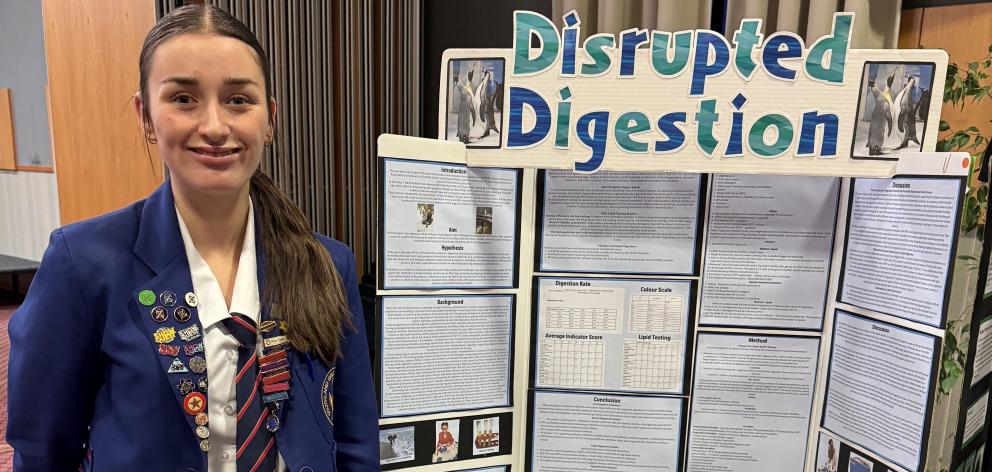
Sophie Ineson, a 17-year-old student from New Zealand, has been selected to represent her country at the International Science and Engineering Fair (ISEF) in the United States, scheduled for May 2024. Her innovative project, titled Disrupted Digestion, was one of only two selected by judges from Royal Society Te Apārangi from a pool of seven science projects submitted by students in years 11 to 13 across New Zealand.
Last month, Ineson also received the prestigious $50,000 Prime Minister’s Space Prize for Student Endeavour for her research on wound healing in space. Winning this award was a significant milestone in her academic journey and a precursor to her upcoming participation in the international science fair.
Research Focus and Inspiration
Ineson’s project on penguins, which she developed as part of the requirements for the Duke of Edinburgh’s Hillary Award, uniquely examines the effects of plastic on penguin digestion. Her interest in this topic was sparked several years ago after witnessing a sick penguin at a sanctuary. “Penguins are my favourite animal, so it really hit hard for me, looking at this poor little penguin who could hardly even walk, just because of eating a little tiny bit of plastic,” she explained.
Additionally, her experience on a Spirit of Adventure sailing trip last year further heightened her awareness of the issue. She observed alarming amounts of plastic pollution in the Hauraki Gulf, prompting her to consider the broader impact of plastic waste on wildlife. “I think that some people may not even consider how much of an impact maybe their plastic straw or just not disposing of the waste properly has on the penguins,” she noted.
Experimental Findings
In her research, Ineson experimented with how various types of plastics affected the digestive enzymes found in king penguins. She focused on using enzymes such as lipase and amylase, which were accessible and safe for her to handle. Her findings revealed that plastics do interfere with digestion, with the extent of disruption varying based on factors like the size, density, and chemical composition of the plastic.
A member of the Royal Society’s scientific review committee will provide mentorship to Ineson as she prepares her project for the international fair. Dame Jane Harding, president of Royal Society Te Apārangi, praised science fairs for their role in fostering excellence among students. “Science and technology fairs offer students valuable opportunities to apply scientific investigation to real-world problems while strengthening their critical thinking, creativity, and communication skills,” she stated.
Ineson’s selection for the ISEF marks a significant achievement not only for her but also for New Zealand’s educational landscape. As she embarks on this exciting journey, her dedication to addressing environmental issues through scientific research stands as an inspiration to her peers and the broader community.

Masterton Christmas Fair Thrives with Over 100 Stallholders

Auckland Train Shutdown Sparks Demand for Free Replacement Buses

New Zealand Student Sophie Ineson to Compete at US Science Fair

Titus Proctor Claims WBC Muay Thai World Title in Historic Win

Lower Hutt Mayor Condemns Distressing Assault on Young Boy

Bus Crashes into Concrete Fence After Collision in Christchurch

Government Modifies Gig Economy Bill, Leaving Past Liabilities Intact

Local Musician James Irwin Teams Up with Global Star for New Single

Kimberley Crossman Celebrates Arrival of Baby Girl Coco Joan

Test Your Knowledge: Take the Herald’s Afternoon Quiz Today

PM Faces Backlash from Fans During Netball Trophy Ceremony

Dunedin Designers Win Top Award at Hokonui Fashion Event

Experience the Excitement of ‘Chief of War’ in Oʻahu

Liam Lawson Launches New Era for Racing Bulls with Strong Start

Coalition Forms to Preserve Māori Wards in Hawke’s Bay

Walking Faster Offers Major Health Benefits for Older Adults

Disney Fan Reveals Dress Code Tips for Park Visitors

Scots Rally with Humor and Music to Protest Trump’s Visit
-
 World4 months ago
Test Your Knowledge: Take the Herald’s Afternoon Quiz Today
-
 Sports4 months ago
PM Faces Backlash from Fans During Netball Trophy Ceremony
-
 Lifestyle4 months ago
Dunedin Designers Win Top Award at Hokonui Fashion Event
-
 Entertainment4 months ago
Experience the Excitement of ‘Chief of War’ in Oʻahu
-
 Sports4 months ago
Liam Lawson Launches New Era for Racing Bulls with Strong Start
-
 World5 months ago
Coalition Forms to Preserve Māori Wards in Hawke’s Bay
-
 Health4 months ago
Walking Faster Offers Major Health Benefits for Older Adults
-
 Lifestyle4 months ago
Disney Fan Reveals Dress Code Tips for Park Visitors
-
 Politics4 months ago
Scots Rally with Humor and Music to Protest Trump’s Visit
-

 Top Stories5 months ago
UK and India Finalize Trade Deal to Boost Economic Ties
-

 Health2 months ago
Radio Host Jay-Jay Feeney’s Partner Secures Visa to Stay in NZ
-

 World5 months ago
Huntly Begins Water Pipe Flushing to Resolve Brown Water Issue