
Science
New Zealand Student to Showcase Research at US Science Fair

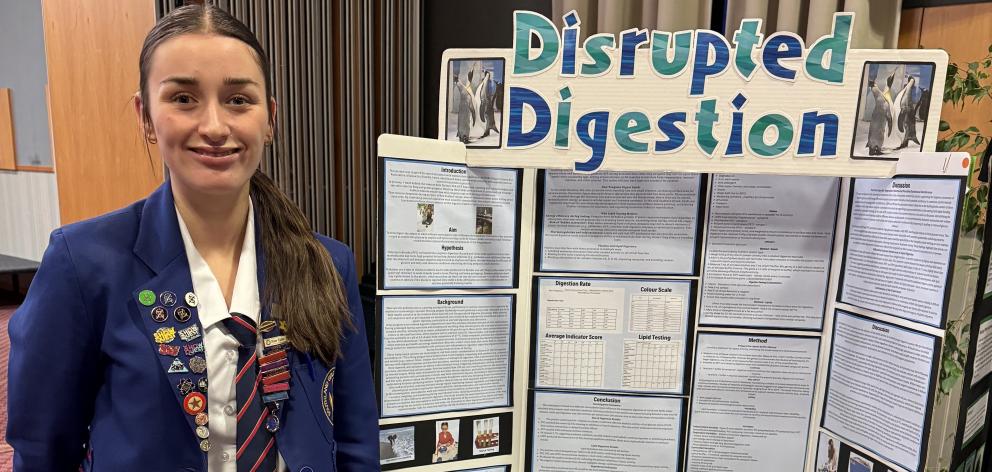
Sophie Ineson, a 17-year-old student from New Zealand, has been selected to represent her country at the International Science and Engineering Fair (ISEF) in the United States in May 2024. Her project, titled “Disrupted Digestion,” was chosen as one of two outstanding entries by judges from the Royal Society Te Apārangi. This selection follows her participation in regional science fairs across New Zealand, where seven projects from students in years 11 to 13 were nominated.
Ineson’s recent accolades include winning the $50,000 Prime Minister’s Space Prize for Student Endeavour for her innovative work on healing wounds in space. She expressed her gratitude and excitement about the opportunity to present her research at an international level, stating, “It’s hard to believe, but I’m very grateful for this chance.”
Research Focus on Penguin Digestion
Ineson’s interest in researching the effects of plastic on penguin digestion was sparked by a personal experience a few years ago when she encountered a sick penguin at a sanctuary. “Penguins are my favourite animal, so seeing this poor little penguin who could hardly walk due to ingesting plastic really affected me,” she said. Her project aims to address the growing concern over plastic pollution and its impact on wildlife.
Last year, Ineson participated in a Spirit of Adventure sailing trip, where she witnessed the alarming amount of plastic waste in the Hauraki Gulf. “Many people might not realize how their small actions, like using a plastic straw or improperly disposing of waste, can significantly impact penguins and other marine life,” she reflected.
In her research, Ineson investigated how different types of plastic interfere with the enzymes in the stomachs of king penguins. She focused on enzymes such as lipase and amylase, which were accessible and safe for her experiments. Her findings indicate that plastics do indeed disrupt digestion, with the extent of interference varying based on the size, density, and chemical composition of the plastic.
Support from the Royal Society
To prepare for the upcoming international fair, Ineson will receive mentorship from a member of the Royal Society’s scientific review committee. Dame Jane Harding, president of the Royal Society Te Apārangi, emphasized the importance of science fairs in promoting excellence among students. “Science and technology fairs offer valuable opportunities for students to apply scientific investigation to real-world problems, while enhancing their critical thinking, creativity, and communication skills,” she stated.
As Ineson gears up for the ISEF, her innovative approach to addressing environmental issues through scientific research not only highlights her dedication but also underscores the critical need for awareness regarding plastic pollution and its effects on wildlife. Her journey reflects the potential for young scientists to make meaningful contributions to pressing global challenges.

HONOR Launches CHOICE Earbuds Clip: Comfort Meets Functionality

Countess Spencer Escapes Penalty for Breaching Privacy Laws

New Zealand Student to Showcase Research at US Science Fair

Selwyn Launches Unique Monopoly Game to Fund Youth Initiatives

UK Photographer Wins Nikon Comedy Wildlife Awards with Stunning Shot

HONOR Unveils CHOICE Earbuds Clip: A Game-Changer in Comfort

Test Your Vocabulary: Solve Today’s Challenging Word Quiz

New Zealand’s RMA Reform Aims to Reduce Planning Red Tape

New Zealand Student to Showcase Innovative Science Project at US Fair

Test Your Knowledge: Take the Herald’s Afternoon Quiz Today

PM Faces Backlash from Fans During Netball Trophy Ceremony

Dunedin Designers Win Top Award at Hokonui Fashion Event

Experience the Excitement of ‘Chief of War’ in Oʻahu

Liam Lawson Launches New Era for Racing Bulls with Strong Start

Coalition Forms to Preserve Māori Wards in Hawke’s Bay

Walking Faster Offers Major Health Benefits for Older Adults

Disney Fan Reveals Dress Code Tips for Park Visitors

Scots Rally with Humor and Music to Protest Trump’s Visit
-
 World4 months ago
Test Your Knowledge: Take the Herald’s Afternoon Quiz Today
-
 Sports4 months ago
PM Faces Backlash from Fans During Netball Trophy Ceremony
-
 Lifestyle4 months ago
Dunedin Designers Win Top Award at Hokonui Fashion Event
-
 Entertainment5 months ago
Experience the Excitement of ‘Chief of War’ in Oʻahu
-
 Sports4 months ago
Liam Lawson Launches New Era for Racing Bulls with Strong Start
-
 World5 months ago
Coalition Forms to Preserve Māori Wards in Hawke’s Bay
-
 Health4 months ago
Walking Faster Offers Major Health Benefits for Older Adults
-
 Lifestyle4 months ago
Disney Fan Reveals Dress Code Tips for Park Visitors
-
 Politics4 months ago
Scots Rally with Humor and Music to Protest Trump’s Visit
-

 Top Stories5 months ago
UK and India Finalize Trade Deal to Boost Economic Ties
-

 Health2 months ago
Radio Host Jay-Jay Feeney’s Partner Secures Visa to Stay in NZ
-

 World5 months ago
Huntly Begins Water Pipe Flushing to Resolve Brown Water Issue