
Science
PhD Student Investigates Parasitic Worms Turning Spiders into Zombies

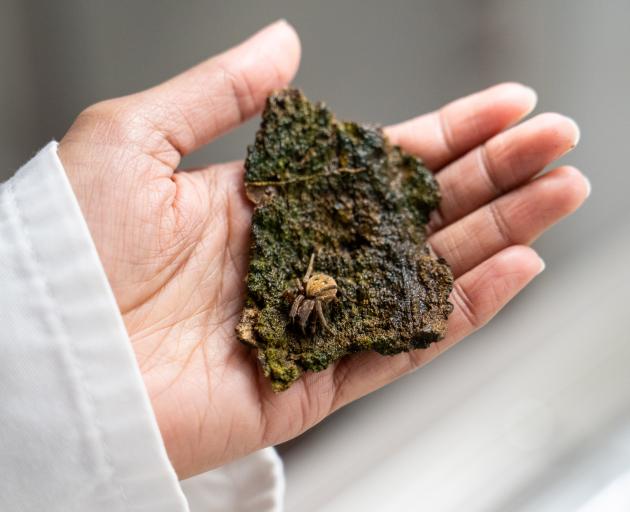
A study led by Usha Mendis, a PhD student at Lincoln University, is uncovering the complex relationship between parasitic worms and spiders, revealing how these organisms transform their hosts into “zombie” creatures. The research focuses on a type of nematode known as mermithids, which infect various invertebrates, including caddisflies, mayflies, and grasshoppers, in addition to the endemic spider species found in New Zealand.
Mendis highlights the potential ecological concerns posed by the mermithids. “New Zealand has a large number of endemic spiders; over 90% of them are unique to this region. If something were to happen to them, it could have serious implications for our biodiversity,” she stated. Spiders play a crucial role in the food chain, and the presence of these parasites disrupts their natural functions.
The infection process is particularly alarming for the spiders. Mendis explains that while the nematodes are inside their hosts, the spiders undergo significant physical changes. “Infected spiders often exhibit abnormal growth patterns. Their legs may appear shorter but thicker, while their abdomens swell, giving them a zombie-like appearance,” she said. Unfortunately, the only way to definitively identify a parasitized spider is posthumously, once the nematode emerges from the body.
While researchers understand how mermithids exit their hosts, the entry mechanism remains elusive. Mendis is dedicated to uncovering how these nematodes infiltrate spiders. “They cannot survive without a host,” she noted. “They consume the nutrients and energy of the spider, growing inside it.” Water is essential for the nematodes to reach their next life stage, prompting them to drive the spiders toward moist environments.
This predilection for water leads to a troubling outcome: many spiders are found drowned. Even if they survive the nematode’s emergence, the damage is often fatal. To study the mermithids more effectively, Mendis employs water traps designed to collect the nematodes.
Despite the unsettling nature of her findings, Mendis emphasizes the importance of reconsidering perceptions of spiders. “While they may seem creepy and disruptive, they are not the enemy. They face challenges of their own,” she remarked.
The presence of mermithids has only been documented in New Zealand for the past 35 years, suggesting that research into their interactions with local spider populations is still in its early stages. Mendis’s work is crucial for understanding how these parasites might impact the delicate balance of ecosystems.
As she continues her research, Mendis urges the public to recognize the vital roles spiders play in maintaining biodiversity. “We need to appreciate that these creatures are integral to our environment,” she concluded. The ongoing study represents a significant step in understanding a unique and troubling aspect of nature, shedding light on the hidden complexities of life in New Zealand’s ecosystems.

New Zealand Breakers Secure Playoff Spot with Key Victory

Two Injured in Jet Boat Collision on Tauwharenīkau River

Tasman Steel Reports $41 Million Loss Amid Rising Costs

Tasman Steel Reports $41 Million Net Loss Amid Rising Costs

News Fix Highlights Key Events Across News, Politics, and Sports

New Zealand’s Happiness Tied to Community Meals and Altruism

Auckland FC Triumphs Over Wellington Phoenix in Kiwi A-League Derby

Former Police Commissioner Claims Politicians Knew of Misconduct

Wellington’s Airhorn Show Delivers Unconventional Comedy Experience

Test Your Knowledge: Take the Herald’s Afternoon Quiz Today

PM Faces Backlash from Fans During Netball Trophy Ceremony

Dunedin Designers Win Top Award at Hokonui Fashion Event

Experience the Excitement of ‘Chief of War’ in Oʻahu

Liam Lawson Launches New Era for Racing Bulls with Strong Start

Coalition Forms to Preserve Māori Wards in Hawke’s Bay

Walking Faster Offers Major Health Benefits for Older Adults

Disney Fan Reveals Dress Code Tips for Park Visitors

Scots Rally with Humor and Music to Protest Trump’s Visit
-
 World4 months ago
Test Your Knowledge: Take the Herald’s Afternoon Quiz Today
-
 Sports4 months ago
PM Faces Backlash from Fans During Netball Trophy Ceremony
-
 Lifestyle4 months ago
Dunedin Designers Win Top Award at Hokonui Fashion Event
-
 Entertainment4 months ago
Experience the Excitement of ‘Chief of War’ in Oʻahu
-
 Sports4 months ago
Liam Lawson Launches New Era for Racing Bulls with Strong Start
-
 World5 months ago
Coalition Forms to Preserve Māori Wards in Hawke’s Bay
-
 Health4 months ago
Walking Faster Offers Major Health Benefits for Older Adults
-
 Lifestyle4 months ago
Disney Fan Reveals Dress Code Tips for Park Visitors
-
 Politics4 months ago
Scots Rally with Humor and Music to Protest Trump’s Visit
-

 Top Stories5 months ago
UK and India Finalize Trade Deal to Boost Economic Ties
-

 Health2 months ago
Radio Host Jay-Jay Feeney’s Partner Secures Visa to Stay in NZ
-

 World5 months ago
Huntly Begins Water Pipe Flushing to Resolve Brown Water Issue