
Science
Small Technical Glitches During Video Calls Undermine Trust

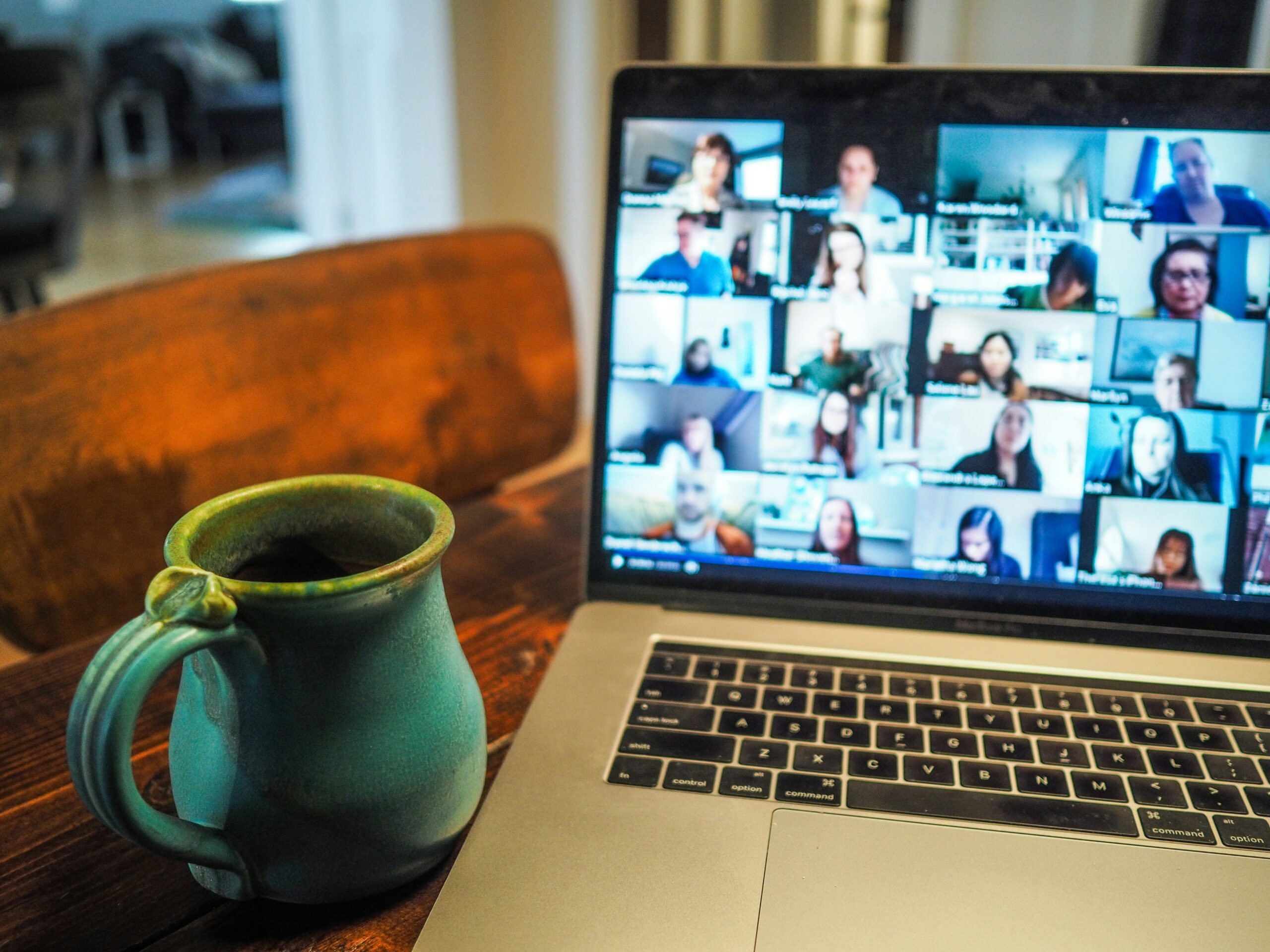
A recent study from researchers at Cornell University has revealed that even minor technical issues during video calls can have profound effects on interpersonal judgments and perceptions. Published in the journal Nature, this research emphasizes that small disturbances, like sound or image glitches, can lead to discomfort and a sense of unnaturalness, significantly influencing how individuals evaluate one another.
The findings indicate that these technological disruptions can have far-reaching consequences. For instance, trust in healthcare professionals during digital consultations can diminish, impacting patient care. Additionally, the likelihood of success in job interviews can decrease due to perceived unprofessionalism caused by technical errors. Alarmingly, in a study conducted in Kentucky, it was found that the chance of being granted parole was reduced by 12% when video calls experienced interference, irrespective of the nature of the offense.
This research raises critical concerns regarding the equity of video communication tools, often touted as democratizing platforms. While they have the potential to connect individuals across distances, the study’s co-author, Jacqueline Rifkin, points out a significant downside. “It’s supposed to be the great equalizer, it’s going to get everybody on the same page — and in a lot of ways, that’s true,” she stated in a press release. “But then there’s this other side: What about the people who don’t have great internet service, and what sorts of opportunities are they missing out on?”
The implications of these findings extend beyond personal interactions. In professional settings, the confidence of potential employers in candidates can be swayed by technical issues, which may not reflect the true abilities of the applicants. The healthcare sector may also face increased costs due to decreased trust, with studies estimating potential losses reaching $12 million annually if patients choose not to engage in digital consultations.
As society continues to rely heavily on digital communication, understanding the impact of these technical glitches is vital. The research suggests that addressing these issues could improve the efficacy of video communication and mitigate unintended biases. By enhancing the quality of video calls and ensuring equitable access to technology, individuals and institutions can work towards minimizing the disparities highlighted in this study.
In summary, while video calls can promote connectivity and accessibility, they can also inadvertently reinforce existing social inequalities. The findings from Cornell University serve as a reminder that technology, while beneficial, must be approached with an awareness of the underlying challenges it may pose to communication and trust in various contexts.

Coromandel Beach Properties Surge in Demand as Luxury Homes Hit Market

Sheriff Mark Mitchell Faces Scrutiny Amid Allegations of Misconduct

Andrew and Sarah Attend Christening of Princess Beatrice’s Daughter

Newsom Critiques Musk in Heated Exchange Over Transgender Issues

Trump Condoms in Epstein Photo Release Spark Controversy

Study Reveals Small Video Call Glitches Impact Trust Significantly

Farmers Face Financial Strain as Trump Announces New Aid Package

Sheriff Mark Mitchell Faces Fallout Over Allegations in Dodge

King Charles III Discusses Successful Cancer Diagnosis and Treatment

Test Your Knowledge: Take the Herald’s Afternoon Quiz Today

PM Faces Backlash from Fans During Netball Trophy Ceremony

Tongan Star Eli Katoa Shares Recovery Update After Surgery

Dunedin Designers Win Top Award at Hokonui Fashion Event

Experience the Excitement of ‘Chief of War’ in Oʻahu

Liam Lawson Launches New Era for Racing Bulls with Strong Start

Coalition Forms to Preserve Māori Wards in Hawke’s Bay

Walking Faster Offers Major Health Benefits for Older Adults

Disney Fan Reveals Dress Code Tips for Park Visitors
-
 World5 months ago
Test Your Knowledge: Take the Herald’s Afternoon Quiz Today
-
 Sports5 months ago
PM Faces Backlash from Fans During Netball Trophy Ceremony
-
 Top Stories2 weeks ago
Tongan Star Eli Katoa Shares Recovery Update After Surgery
-
 Lifestyle5 months ago
Dunedin Designers Win Top Award at Hokonui Fashion Event
-
 Entertainment5 months ago
Experience the Excitement of ‘Chief of War’ in Oʻahu
-
 Sports5 months ago
Liam Lawson Launches New Era for Racing Bulls with Strong Start
-
 World5 months ago
Coalition Forms to Preserve Māori Wards in Hawke’s Bay
-
 Health5 months ago
Walking Faster Offers Major Health Benefits for Older Adults
-
 Lifestyle5 months ago
Disney Fan Reveals Dress Code Tips for Park Visitors
-

 Politics5 months ago
Scots Rally with Humor and Music to Protest Trump’s Visit
-

 Top Stories5 months ago
UK and India Finalize Trade Deal to Boost Economic Ties
-

 Health3 months ago
Radio Host Jay-Jay Feeney’s Partner Secures Visa to Stay in NZ