
Top Stories
Marcus Discusses Erebus Memorial Decision and Commonwealth Games Debate

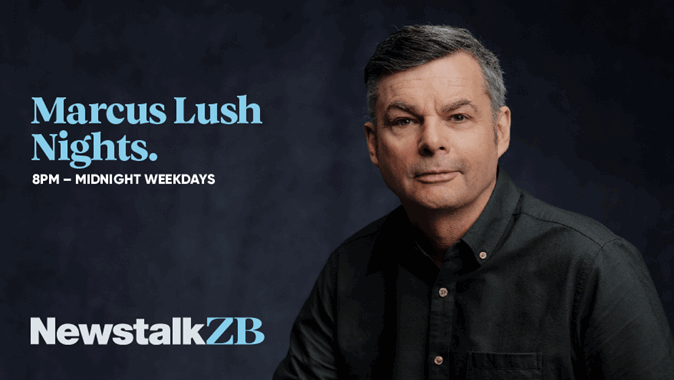
Marcus has recently shared his views regarding the decision on the Erebus Memorial and the ongoing discussions about New Zealand hosting the Commonwealth Games. His comments shed light on the complexities surrounding these significant national topics.
Insights on the Erebus Memorial
The decision regarding the Erebus Memorial has sparked considerable public interest. This memorial commemorates the tragedy of the 1979 Mount Erebus plane crash, which claimed the lives of 257 people. Marcus emphasized the importance of honoring the victims and ensuring the memorial reflects the gravity of the event. He advocated for a design that resonates with families affected by the disaster, highlighting the emotional weight the memorial carries.
During his discussion, Marcus expressed concern that some aspects of the memorial’s planning may not fully capture the essence of the tragedy. He urged stakeholders to prioritize authenticity and sensitivity in the memorial’s design, reinforcing the need for community input in shaping a tribute that serves its purpose effectively.
Debating the Commonwealth Games in New Zealand
In addition to the memorial, Marcus addressed the ongoing debate surrounding New Zealand’s potential hosting of the Commonwealth Games. He questioned the feasibility and rationale behind the decision to pursue such a large-scale event, especially given the financial implications involved. The estimated cost of hosting the games is projected to exceed $1 billion NZD, raising concerns about budget allocation and resource management.
Marcus pointed out that hosting the Commonwealth Games could divert funds from crucial public services and infrastructure projects, which are essential for the community’s well-being. He argued that New Zealand should consider the long-term benefits of investing in local needs rather than pursuing high-profile international events that may not yield substantial returns.
The Commonwealth Games, scheduled to take place in 2026, would require significant preparation and investment in facilities, transportation, and security. Marcus suggested that a more prudent approach might involve focusing on smaller-scale events that foster community engagement without imposing excessive financial burdens.
As discussions continue, the government is expected to weigh the potential benefits against the costs. The outcome of these debates may shape New Zealand’s sporting landscape for years to come, as well as its commitment to honoring its history through projects like the Erebus Memorial.
In conclusion, Marcus’s insights provide a critical perspective on two pivotal issues affecting New Zealand’s future. His emphasis on community values and fiscal responsibility resonates with many citizens who are invested in the cultural and economic trajectory of their country.

Welo Data Expands Operations to Qatar, Enhancing AI Data Solutions

New South Wales Considers E-Scooter Speed Cuts After Death

Formula 1 Stars and Global Athletes Shine at Premier Padel Event

Christchurch Teen Tamison Soppet Selected for Prestigious Ballet Prix de Lausanne

Dan Schnur Discusses International Trade in Trump’s Business-Focused Era

New Zealand Sharemarket Rises 0.4% Amid Crypto Concerns

Simon Helberg Surprises Diners at Te Awamutu’s Fahrenheit Restaurant

Uncovering Schizophrenia: Understanding Its Hidden Prevalence

Non-Alcoholic Drinks Transform Christmas Celebrations in New Zealand

Test Your Knowledge: Take the Herald’s Afternoon Quiz Today

PM Faces Backlash from Fans During Netball Trophy Ceremony

Dunedin Designers Win Top Award at Hokonui Fashion Event

Liam Lawson Launches New Era for Racing Bulls with Strong Start

Experience the Excitement of ‘Chief of War’ in Oʻahu

Coalition Forms to Preserve Māori Wards in Hawke’s Bay

Disney Fan Reveals Dress Code Tips for Park Visitors

Walking Faster Offers Major Health Benefits for Older Adults

Scots Rally with Humor and Music to Protest Trump’s Visit
-
 World4 months ago
Test Your Knowledge: Take the Herald’s Afternoon Quiz Today
-
 Sports4 months ago
PM Faces Backlash from Fans During Netball Trophy Ceremony
-
 Lifestyle4 months ago
Dunedin Designers Win Top Award at Hokonui Fashion Event
-
 Sports4 months ago
Liam Lawson Launches New Era for Racing Bulls with Strong Start
-
 Entertainment4 months ago
Experience the Excitement of ‘Chief of War’ in Oʻahu
-
 World4 months ago
Coalition Forms to Preserve Māori Wards in Hawke’s Bay
-
 Lifestyle4 months ago
Disney Fan Reveals Dress Code Tips for Park Visitors
-
 Health4 months ago
Walking Faster Offers Major Health Benefits for Older Adults
-
 Politics4 months ago
Scots Rally with Humor and Music to Protest Trump’s Visit
-
 Top Stories4 months ago
UK and India Finalize Trade Deal to Boost Economic Ties
-

 Health2 months ago
Radio Host Jay-Jay Feeney’s Partner Secures Visa to Stay in NZ
-

 World4 months ago
Huntly Begins Water Pipe Flushing to Resolve Brown Water Issue