
World
Health Commissioner Finds Care Appropriate Despite Newborn’s Death

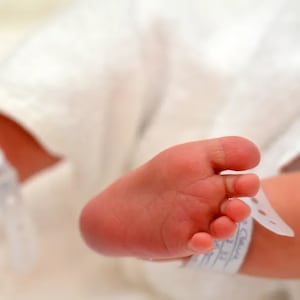
A newborn baby boy, who died from sepsis three days after birth in 2018, received appropriate medical care despite missed opportunities by healthcare professionals, according to the Health and Disability Commissioner. The findings reflect a complex situation where the infant’s parents expressed concerns about their son’s breathing prior to his death, only to be reassured that it was likely due to a build-up of mucus.
The Deputy Health and Disability Commissioner, Rose Wall, indicated that the baby had a known risk of infection and was placed under clinical observation for 24 hours after his birth. During this observation period, medical staff documented the baby’s vital signs and health assessments as normal.
Investigation Findings
The investigation into the case revealed that while the care provided was generally deemed appropriate, there were critical lapses in the monitoring and response to the baby’s condition. Despite the initial assessments, the baby’s symptoms, including labored breathing, were not adequately addressed, which ultimately contributed to the tragic outcome.
Wall emphasized the importance of vigilant monitoring in cases involving newborns with known health risks. She noted that the healthcare team needed to remain attentive to changes in the infant’s condition, particularly when parents raise concerns about their child’s health.
This incident raises broader questions about the protocols in place for monitoring at-risk newborns and the communication between healthcare providers and parents. Health authorities are expected to review these protocols to prevent similar occurrences in the future.
Impact on Healthcare Practices
The case has sparked a discussion about the need for improved training for medical staff regarding the signs and symptoms of sepsis in newborns. Sepsis, a life-threatening response to infection, can progress rapidly, making early detection crucial.
While the Health NZ system is under scrutiny, the findings serve as a reminder of the challenges faced by healthcare providers in delivering optimal care in high-stress environments. The Commissioner’s report calls for a renewed focus on ensuring that all healthcare professionals are equipped with the skills to recognize and act swiftly in response to critical health issues in newborns.
This tragedy highlights the ongoing need for vigilance and communication in healthcare settings, particularly in the care of vulnerable populations such as newborns. The findings aim to foster a culture of improvement within the healthcare system, ensuring that the lessons learned from such incidents lead to better outcomes for future patients.

All Blacks Unveil Exciting 2026 Schedule with 13 Tests

Fire Claims Lives of Elderly Couple in Foxton Beach Home

Christmas Card Tradition Declines; New Fred Dagg Film Reviewed

Central Wellington Emerges as New Zealand’s Cheapest Property Market

Christmas Card Tradition Declines as Fred Dagg Film Gains Buzz

Young Mother Appeals for Urgent Funding for Cancer Treatment

All Blacks Unveil 2026 Schedule: Exciting Tests and New Rivalries

Tragic Fire Claims Lives of Elderly Couple in Foxton Beach

Tower Insurance Fined $7 Million for Decade of Overcharging Customers

Test Your Knowledge: Take the Herald’s Afternoon Quiz Today

PM Faces Backlash from Fans During Netball Trophy Ceremony

Dunedin Designers Win Top Award at Hokonui Fashion Event

Experience the Excitement of ‘Chief of War’ in Oʻahu

Liam Lawson Launches New Era for Racing Bulls with Strong Start

Coalition Forms to Preserve Māori Wards in Hawke’s Bay

Walking Faster Offers Major Health Benefits for Older Adults

Disney Fan Reveals Dress Code Tips for Park Visitors

Scots Rally with Humor and Music to Protest Trump’s Visit
-
 World4 months ago
Test Your Knowledge: Take the Herald’s Afternoon Quiz Today
-
 Sports4 months ago
PM Faces Backlash from Fans During Netball Trophy Ceremony
-
 Lifestyle4 months ago
Dunedin Designers Win Top Award at Hokonui Fashion Event
-
 Entertainment5 months ago
Experience the Excitement of ‘Chief of War’ in Oʻahu
-
 Sports4 months ago
Liam Lawson Launches New Era for Racing Bulls with Strong Start
-
 World5 months ago
Coalition Forms to Preserve Māori Wards in Hawke’s Bay
-
 Health4 months ago
Walking Faster Offers Major Health Benefits for Older Adults
-
 Lifestyle4 months ago
Disney Fan Reveals Dress Code Tips for Park Visitors
-
 Politics4 months ago
Scots Rally with Humor and Music to Protest Trump’s Visit
-

 Top Stories5 months ago
UK and India Finalize Trade Deal to Boost Economic Ties
-

 Health2 months ago
Radio Host Jay-Jay Feeney’s Partner Secures Visa to Stay in NZ
-

 World5 months ago
Huntly Begins Water Pipe Flushing to Resolve Brown Water Issue