
World
Whistleblowers Highlight Health Risks in Intelligence Operations

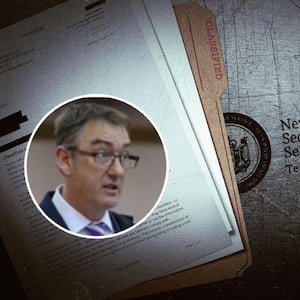
Concerns regarding health and safety risks in intelligence operations have been raised by whistleblowers, marking the first significant application of the Whistleblower Protection Act. Reports indicate that these individuals from various intelligence agencies, including the National Security Agency (NSA) and the Central Intelligence Agency (CIA), have highlighted what they describe as “genuine concerns” that could potentially jeopardize the well-being of personnel involved in covert operations.
In a statement released in early March 2024, whistleblowers expressed their worries about the working conditions and the potential exposure to hazardous environments. They claim that inadequate safety measures and lack of proper training may be putting agents at risk, both physically and mentally. While the specifics of their allegations remain confidential, the implications of these claims are significant, particularly as they relate to the safety protocols of the Federal Bureau of Investigation (FBI) and other intelligence organizations.
Whistleblower Protection Act: A New Era for Intelligence Oversight
The whistleblower law, which was enacted to provide protections for individuals who report misconduct within government agencies, has opened a new avenue for accountability in the intelligence community. This development comes at a time when scrutiny of intelligence operations is intensifying on both sides of the Atlantic, particularly in the United States and the United Kingdom.
According to the whistleblowers, the risks they face are not merely theoretical. Some individuals have reported experiencing health issues believed to stem from their working conditions. The concerns span various operational environments, from overseas deployments to domestic surveillance initiatives. The whistleblowers urge that immediate measures be taken to ensure the safety and well-being of personnel.
The intelligence community has traditionally operated with a high degree of secrecy. However, the emergence of this whistleblower case may signal a shift towards greater transparency and responsibility. Experts suggest that it could encourage more individuals within these agencies to come forward with their own concerns, potentially leading to a broader reassessment of safety protocols across the board.
Implications for Future Operations
As these revelations come to light, the implications for future intelligence operations are profound. The whistleblowers emphasize that without proper safety measures, the efficacy of intelligence missions could be compromised. They argue that the health of agents is paramount, and failing to address these concerns not only endangers individuals but also undermines national security objectives.
In response to these allegations, representatives from the affected agencies have stated that they are committed to ensuring the health and safety of their personnel. They have pledged to review existing safety protocols and to implement necessary reforms aimed at better protecting agents in the field. Nevertheless, skepticism remains within the whistleblower community regarding the sincerity of these promises.
The ongoing dialogue surrounding whistleblower protections and the health risks associated with intelligence operations may lead to legislative changes. Lawmakers are now faced with the challenge of balancing national security interests with the rights and safety of agency personnel. This situation underscores the need for a careful examination of how intelligence operations are conducted, particularly in relation to the health risks faced by those who serve.
As the story unfolds, the focus will remain on how these concerns are addressed and whether the outcomes lead to substantive changes in intelligence operations. The whistleblower movement may represent a turning point in how intelligence agencies operate, ensuring that safety and health are prioritized alongside national security interests.

US Federal Reserve Faces Divisions Over Interest Rate Cuts

Prince Harry Reflects on Royal Life with Humorous ‘Downton Abbey’ Comparison

McInnes Claims Qatar Off-Road Championship Title in Thrilling Finale

Challenge Your Vocabulary with Today’s Hard Word Quiz

Ngira Simmonds Critiques Leadership at Te Pāti Māori AGM

South Island Researcher Fights Cancer with Innovative Blood Test

One NZ Enhances Customer Service with 31 AI Agents

Kids Test Knowledge with Fun Kangaroo Quiz on December 7

Recognizing the Signs That Indicate You Need Iron Supplements

Test Your Knowledge: Take the Herald’s Afternoon Quiz Today

PM Faces Backlash from Fans During Netball Trophy Ceremony

Dunedin Designers Win Top Award at Hokonui Fashion Event

Experience the Excitement of ‘Chief of War’ in Oʻahu

Liam Lawson Launches New Era for Racing Bulls with Strong Start

Coalition Forms to Preserve Māori Wards in Hawke’s Bay

Walking Faster Offers Major Health Benefits for Older Adults

Disney Fan Reveals Dress Code Tips for Park Visitors

Scots Rally with Humor and Music to Protest Trump’s Visit
-
 World4 months ago
Test Your Knowledge: Take the Herald’s Afternoon Quiz Today
-
 Sports4 months ago
PM Faces Backlash from Fans During Netball Trophy Ceremony
-
 Lifestyle4 months ago
Dunedin Designers Win Top Award at Hokonui Fashion Event
-
 Entertainment4 months ago
Experience the Excitement of ‘Chief of War’ in Oʻahu
-
 Sports4 months ago
Liam Lawson Launches New Era for Racing Bulls with Strong Start
-
 World5 months ago
Coalition Forms to Preserve Māori Wards in Hawke’s Bay
-
 Health4 months ago
Walking Faster Offers Major Health Benefits for Older Adults
-
 Lifestyle4 months ago
Disney Fan Reveals Dress Code Tips for Park Visitors
-
 Politics4 months ago
Scots Rally with Humor and Music to Protest Trump’s Visit
-

 Top Stories5 months ago
UK and India Finalize Trade Deal to Boost Economic Ties
-

 Health2 months ago
Radio Host Jay-Jay Feeney’s Partner Secures Visa to Stay in NZ
-

 World5 months ago
Huntly Begins Water Pipe Flushing to Resolve Brown Water Issue