
Business
Air New Zealand Faces Shareholder Pressure Over High Domestic Fares

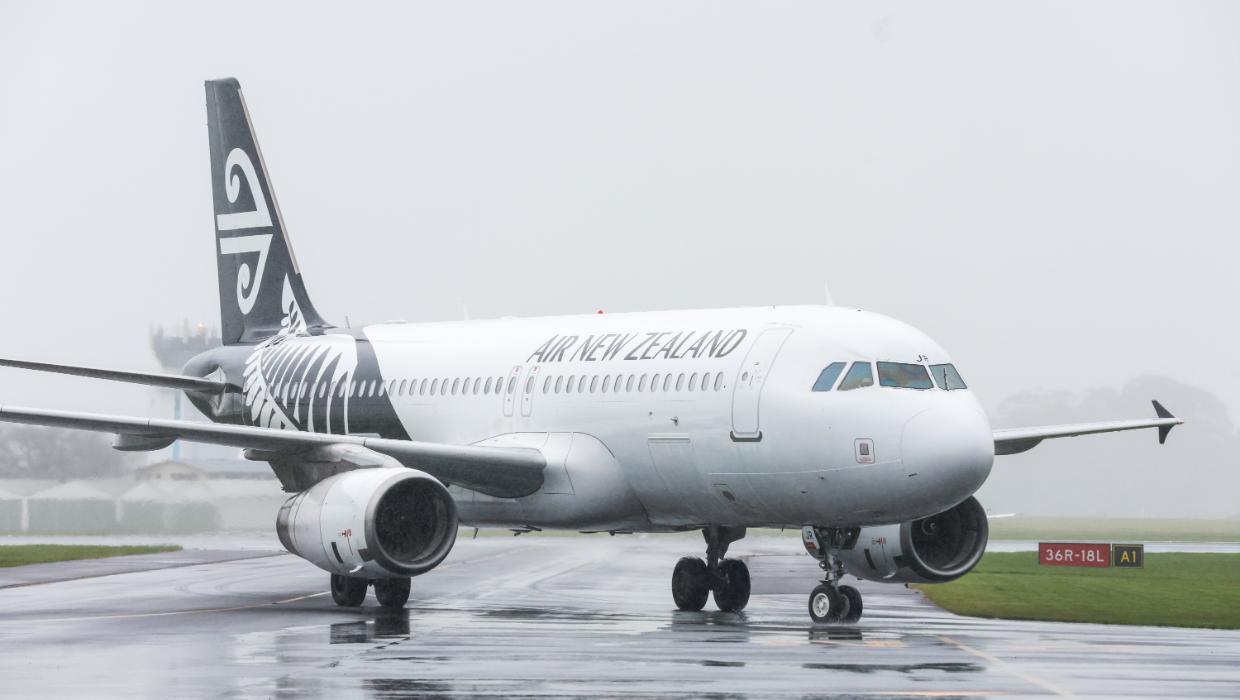
Air New Zealand is under increasing scrutiny from shareholders and frequent flyers regarding its rising domestic airfare prices. Sam Stubbs, managing director of KiwiSaver fund Simplicity, has voiced concerns about the airline’s pricing strategies, which he argues disproportionately burden local travelers. As a significant entity in New Zealand’s economy, the airline’s fare policies are drawing questions about its dual role as a commercial entity and a national asset.
Profit Maximization vs. Public Responsibility
The recent spike in domestic fares coincides with a broader strategy by Air New Zealand to maximize profits, particularly as international routes remain fiercely competitive. Stubbs points out that while the airline has a fiduciary duty to its shareholders, primarily driven by returns, its unique ownership structure complicates this picture. With the New Zealand Government owning 51% of the airline, there is an inherent public interest that must be considered when evaluating fare policies.
Stubbs raises a critical question: should Air New Zealand prioritize profit maximization at the expense of its loyal customers? The airline’s pricing algorithms are designed to maximize revenue, leading to situations where domestic flight costs can soar to as much as $460 for a one-way ticket from Auckland to Wellington. This trend becomes particularly problematic in situations where families need to travel for emergencies, such as funerals or urgent family matters.
In addition to the economic implications, Air New Zealand’s ability to operate is rooted in what Stubbs calls its “social licence.” This means that while the airline can pursue profits, it also relies on government support to avoid bankruptcy, as evidenced by the substantial bailouts during the COVID-19 pandemic. This protective stance raises concerns about the airline’s responsibility to offer fair pricing, especially in challenging economic times.
The Competitive Landscape and Strategic Decisions
Air New Zealand faces mounting competition from airlines like Qantas, which is expanding its reach significantly. While Air New Zealand has introduced ten new aircraft to its fleet, Qantas plans to commission a hundred. This competition emphasizes the need for Air New Zealand to maintain goodwill among its customer base, especially given that many international routes have become less profitable.
Stubbs argues that the airline’s strategic focus on expanding its routes to the United States has yielded mixed results. The reliance on destinations that often feature empty flights suggests a need for reassessment. As Stubbs notes, the number of US destinations showcased in the airline’s Koru magazine indicates an emphasis on filling planes that may not always be economically viable.
Despite reporting profits of $146 million in 2024 and $126 million in 2025, Air New Zealand now anticipates a loss in the first half of 2024. This downturn is attributed to softer bookings and increasing engine leasing costs. Stubbs cautions that high domestic fares could exacerbate this situation, as travelers may opt for alternative carriers like Jetstar or choose to drive rather than pay inflated prices.
The loyalty of New Zealanders to their national airline has been longstanding, but as Stubbs points out, Air New Zealand’s current pricing practices may threaten this goodwill. With many citizens facing financial difficulties, the airline needs to reconsider its approach to domestic fares. The perception of overcharging could undermine the trust that has been built over the years.
In conclusion, Air New Zealand must balance its profit motives with the needs and expectations of its stakeholders, including consumers and shareholders. Stubbs suggests that a slight reduction in profit margins could foster goodwill among passengers who feel the financial strain. The airline’s role as a national carrier demands a sensitivity to the broader economic context and the realities faced by its customers. By focusing more on the “social” aspect of its operations, Air New Zealand can better serve the interests of all New Zealanders and ensure a sustainable future in the competitive aviation market.

Discover Unique Wildlife on Adelaide’s Riverside and Eyre Peninsula

Calls Grow for Gender Equality in Japanese Succession Law

Tunisia and Syria Clash in FIFA Arab Cup Qatar 2025

Discover Unique Christmas Gifts at Willow and Silk Interiors

Former UK Minister Sentenced to Two Years for Corruption

Tall Blacks Suffer Heartbreaking Loss to Australia Amid Broadcast Issues

Auckland Beaches Warn Swimmers as Sewage Overflows Contaminate Waters

Auckland’s New Rules for Pet Renters and Directory Changes

Explore Adelaide’s Riverside Tours and Eyre Peninsula Safari

Test Your Knowledge: Take the Herald’s Afternoon Quiz Today

PM Faces Backlash from Fans During Netball Trophy Ceremony

Dunedin Designers Win Top Award at Hokonui Fashion Event

Liam Lawson Launches New Era for Racing Bulls with Strong Start

Experience the Excitement of ‘Chief of War’ in Oʻahu

Coalition Forms to Preserve Māori Wards in Hawke’s Bay

Disney Fan Reveals Dress Code Tips for Park Visitors

Walking Faster Offers Major Health Benefits for Older Adults

Scots Rally with Humor and Music to Protest Trump’s Visit
-
 World4 months ago
Test Your Knowledge: Take the Herald’s Afternoon Quiz Today
-
 Sports4 months ago
PM Faces Backlash from Fans During Netball Trophy Ceremony
-
 Lifestyle4 months ago
Dunedin Designers Win Top Award at Hokonui Fashion Event
-
 Sports4 months ago
Liam Lawson Launches New Era for Racing Bulls with Strong Start
-
 Entertainment4 months ago
Experience the Excitement of ‘Chief of War’ in Oʻahu
-
 World4 months ago
Coalition Forms to Preserve Māori Wards in Hawke’s Bay
-
 Lifestyle4 months ago
Disney Fan Reveals Dress Code Tips for Park Visitors
-
 Health4 months ago
Walking Faster Offers Major Health Benefits for Older Adults
-
 Politics4 months ago
Scots Rally with Humor and Music to Protest Trump’s Visit
-

 Top Stories4 months ago
UK and India Finalize Trade Deal to Boost Economic Ties
-

 Health2 months ago
Radio Host Jay-Jay Feeney’s Partner Secures Visa to Stay in NZ
-

 World4 months ago
Huntly Begins Water Pipe Flushing to Resolve Brown Water Issue