
Top Stories
Union Leaders Transition to Politics: A Shift in Focus

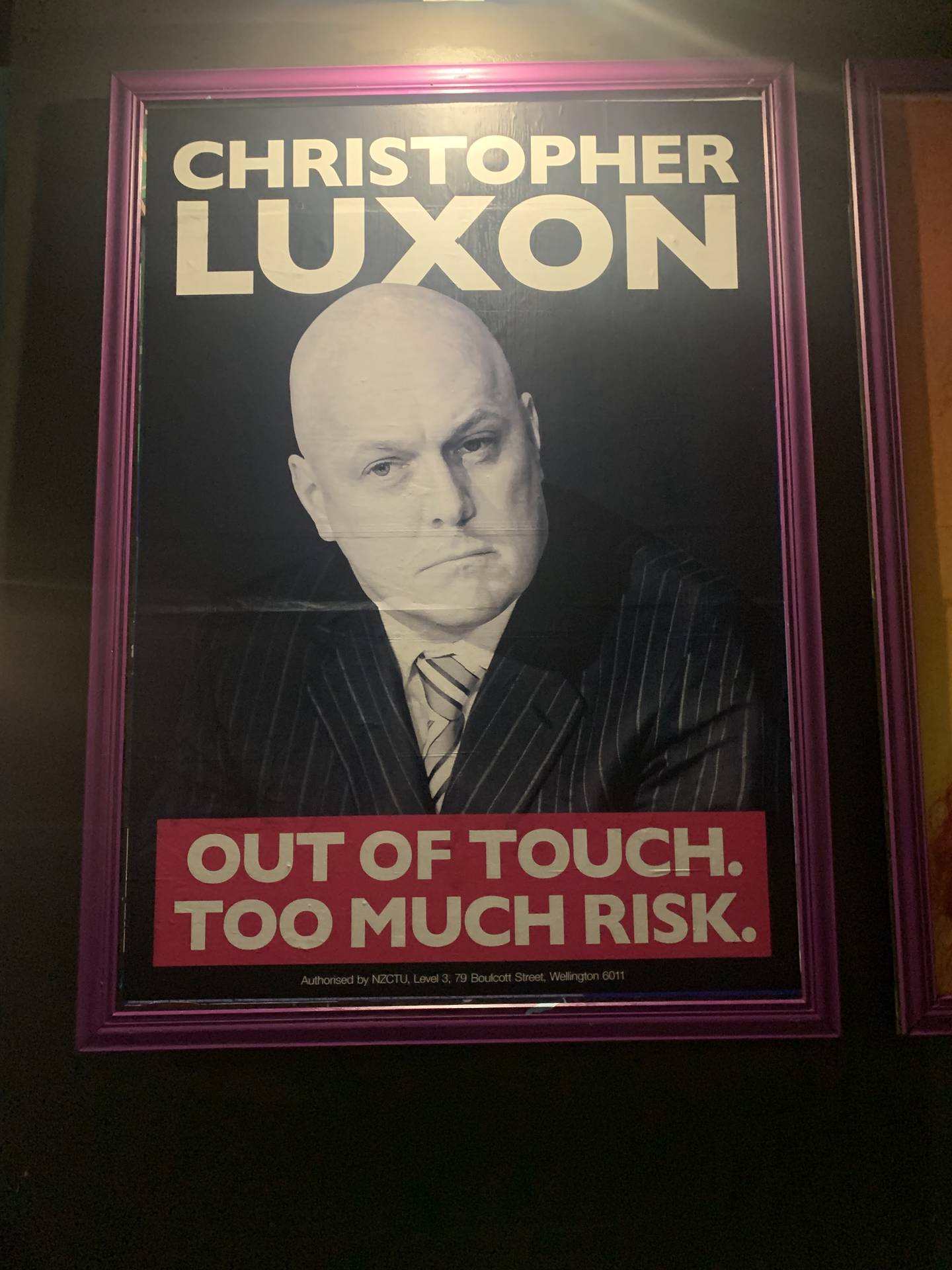
Recent developments have highlighted a trend where union leaders are shifting their focus from workers’ rights to political ambitions. This transition raises questions about the intentions of those who claim to champion worker interests. Notably, Craig Rennie, a prominent figure in the Council of Trade Unions (CTU), has been selected as the Labour Party candidate for Wellington Bays. His move exemplifies a pattern observed among union representatives who increasingly seek roles in politics.
The criticism is directed towards individuals who, having established themselves within unions, appear to leverage their profiles to gain political positions. Fleur Fitzsimons, for instance, previously attempted to secure a Labour seat but fell short. Her participation in the political landscape suggests a desire to return to prominence, potentially at the expense of the workers she once represented. Similarly, Michael Wood has expressed his intent to re-enter the political arena, further underscoring this trend of union leaders stepping into political roles.
Union Representation and Political Aspirations
This dynamic raises concerns among workers who may feel that their champions are more interested in political gain than genuine advocacy. Unions, which traditionally serve as voices for employee rights and fair wages, are perceived by some as stepping stones for political aspirants rather than bastions of worker support. As these figures transition into politics, the question remains whether they will prioritize the needs of low-wage workers or focus on their political careers.
Critics argue that union leaders are using their positions to enhance their public profiles. While they advocate for better pay and working conditions, the reality is that many of these leaders may be more invested in their own political ambitions. The sentiment among some workers is one of disillusionment; they may feel betrayed by leaders who they believed were dedicated to negotiating on their behalf.
The reality is that not all union members align with leftist ideologies. Many simply seek equitable representation and effective negotiation with employers. The perception that union leaders are political wannabes could undermine the trust that workers have in their representatives. If these leaders use their union roles as a means to climb the political ladder, workers may justifiably feel frustrated when they realize that their struggles are being exploited for personal gain.
In light of these developments, it is essential for unions to reaffirm their commitment to representing the interests of their members genuinely. Building trust requires more than political aspirations; it demands a steadfast dedication to advocating for fair labor practices and the well-being of workers. The evolution of the relationship between unions and politics will undoubtedly continue to shape the future landscape of labor representation and advocacy.
As the political ambitions of union leaders evolve, both workers and union members will be watching closely to see how these transitions impact their rights and representation in the workplace.

Alliance Group Finalizes $270 Million Merger with Dawn Meats

Rising Star Winnie Conlan Celebrates Debut Single Success

New Zealand Urges Covid Booster Before Holiday Gatherings

New Zealand Teen Winnie Conlan Celebrates Debut Single Success

Labour Gains Momentum Ahead of 2026 Election with New Policies

Discover Unique Wildlife on Adelaide’s Riverside and Eyre Peninsula

Calls Grow for Gender Equality in Japanese Succession Law

Tunisia and Syria Clash in FIFA Arab Cup Qatar 2025

Discover Unique Christmas Gifts at Willow and Silk Interiors

Test Your Knowledge: Take the Herald’s Afternoon Quiz Today

PM Faces Backlash from Fans During Netball Trophy Ceremony

Dunedin Designers Win Top Award at Hokonui Fashion Event

Liam Lawson Launches New Era for Racing Bulls with Strong Start

Experience the Excitement of ‘Chief of War’ in Oʻahu

Coalition Forms to Preserve Māori Wards in Hawke’s Bay

Disney Fan Reveals Dress Code Tips for Park Visitors

Walking Faster Offers Major Health Benefits for Older Adults

Scots Rally with Humor and Music to Protest Trump’s Visit
-
 World4 months ago
Test Your Knowledge: Take the Herald’s Afternoon Quiz Today
-
 Sports4 months ago
PM Faces Backlash from Fans During Netball Trophy Ceremony
-
 Lifestyle4 months ago
Dunedin Designers Win Top Award at Hokonui Fashion Event
-
 Sports4 months ago
Liam Lawson Launches New Era for Racing Bulls with Strong Start
-
 Entertainment4 months ago
Experience the Excitement of ‘Chief of War’ in Oʻahu
-
 World4 months ago
Coalition Forms to Preserve Māori Wards in Hawke’s Bay
-
 Lifestyle4 months ago
Disney Fan Reveals Dress Code Tips for Park Visitors
-
 Health4 months ago
Walking Faster Offers Major Health Benefits for Older Adults
-
 Politics4 months ago
Scots Rally with Humor and Music to Protest Trump’s Visit
-

 Top Stories4 months ago
UK and India Finalize Trade Deal to Boost Economic Ties
-

 Health2 months ago
Radio Host Jay-Jay Feeney’s Partner Secures Visa to Stay in NZ
-

 World4 months ago
Huntly Begins Water Pipe Flushing to Resolve Brown Water Issue