
Politics
Aussie Teens Push Back as Social Media Ban Takes Effect

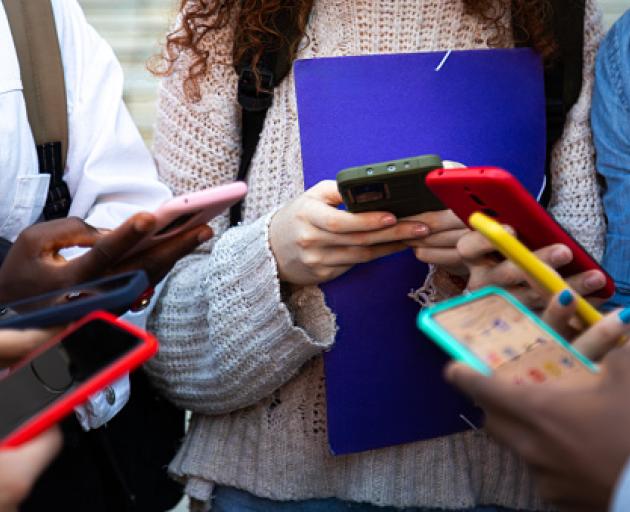
The Australian government has implemented a new law that requires social media platforms to bar users under the age of 16, a move that has been met with significant online backlash. As of March 15, 2024, platforms such as TikTok, Instagram, and YouTube must comply or face fines of up to A$49.5 million. Shortly after the law went into effect, social media feeds were inundated with comments from users claiming to be underage, including a notable message on the Prime Minister’s TikTok account: “I’m still here, wait until I can vote.”
This legislation garnered bipartisan support and reflects the concerns of approximately 75% of Australian parents regarding underage social media use. Prime Minister Anthony Albanese emphasized the seriousness of the law during an appearance on News Corp’s Sky News, stating, “This is the law, this isn’t something that can be flouted.” He warned that the platforms would act swiftly against users flaunting their underage status, noting that such posts only serve to identify them.
Global Reaction and Compliance Challenges
Governments worldwide are observing the Australian rollout, contemplating similar measures. U.S. Senator Josh Hawley expressed support for the ban, while countries like France, Denmark, and Malaysia have indicated plans to adopt the Australian model. The Australian internet regulator, the eSafety Commissioner, will require all affected platforms to report the number of under-16 accounts before and after the ban’s implementation, according to Communications Minister Anika Wells.
Despite the law’s introduction, some tech companies have voiced concerns. Meta reiterated its opposition, arguing that the ban could push teenagers to less regulated parts of the internet. A spokesperson stated, “This will result in inconsistent application of the law and ultimately does not make young people safer.”
Platforms such as TikTok and Snap, the owner of Snapchat, did not comment on the implementation. Meanwhile, YouTube, X, Amazon’s Twitch, Reddit, and Australian-owned Kick were also unavailable for immediate comment.
Unintended Consequences and Increased VPN Interest
The new restrictions have sparked passionate discussions among commentators, including U.S. psychologist Jonathan Haidt, who praised the initiative on social media platform X. However, UNICEF cautioned that the ban might inadvertently lead children to explore less regulated areas of the internet. In a statement, they noted, “Laws introducing age restrictions are not an alternative to companies improving platform design and content moderation.”
During a visit to a school in Canberra, Albanese argued that the ban would foster improved educational outcomes and behavior by reducing screen time. He stated, “You get better social interaction when students aren’t subject to looking at their devices constantly.”
In the lead-up to the law’s enforcement, interest in virtual private networks (VPNs) surged in Australia. According to publicly available Google data, searches for VPNs reached their highest level in nearly a decade. The free VPN provider Windscribe reported a staggering 400% increase in installations within 24 hours of the ban’s launch. Another provider, hide.me, noted a 65% rise in visits from Australia before the ban, although this did not translate to increased downloads.
All ten platforms named in the ban had initially opposed it but later agreed to comply. As the legislation took effect, other platforms not included in the ban gained traction in app download rankings. For instance, Lemon8, owned by TikTok’s parent company ByteDance, introduced an age minimum of 16. Another app, Yope, reported rapid growth, reaching around 100,000 users in Australia, with about half of its user base over 16. The company described itself as a private messaging service rather than social media, a claim it communicated to the regulatory body overseeing the ban.
As Australia navigates the complexities of this new law, the implications for both social media use among teenagers and the global response to online safety remain to be seen.

Australia Opens Bidding for Offshore Oil and Gas Acreage

Test Your Knowledge: How Many Lions Are on England’s Football Logo?

US Attorneys General Demand AI Firms Address Harmful Outputs

Rotorua Teen Casey Paul Celebrates Perfect Attendance Record

School Staff Member Returns Amid Management Resignation Threats

Antilles Gold Launches Construction at Nueva Sabana Copper Mine

Supergirl’s Teaser Trailer Launch Set for December 11: What to Expect

U.S. Attorneys General Demand AI Giants Address Harmful Outputs

Win VIP Trip to Auckland for the Royal Edinburgh Military Tattoo

Test Your Knowledge: Take the Herald’s Afternoon Quiz Today

PM Faces Backlash from Fans During Netball Trophy Ceremony

Dunedin Designers Win Top Award at Hokonui Fashion Event

Tongan Star Eli Katoa Shares Recovery Update After Surgery

Experience the Excitement of ‘Chief of War’ in Oʻahu

Liam Lawson Launches New Era for Racing Bulls with Strong Start

Coalition Forms to Preserve Māori Wards in Hawke’s Bay

Walking Faster Offers Major Health Benefits for Older Adults

Disney Fan Reveals Dress Code Tips for Park Visitors
-
 World5 months ago
Test Your Knowledge: Take the Herald’s Afternoon Quiz Today
-
 Sports5 months ago
PM Faces Backlash from Fans During Netball Trophy Ceremony
-
 Lifestyle5 months ago
Dunedin Designers Win Top Award at Hokonui Fashion Event
-
 Top Stories2 weeks ago
Tongan Star Eli Katoa Shares Recovery Update After Surgery
-
 Entertainment5 months ago
Experience the Excitement of ‘Chief of War’ in Oʻahu
-
 Sports5 months ago
Liam Lawson Launches New Era for Racing Bulls with Strong Start
-
 World5 months ago
Coalition Forms to Preserve Māori Wards in Hawke’s Bay
-
 Health5 months ago
Walking Faster Offers Major Health Benefits for Older Adults
-
 Lifestyle5 months ago
Disney Fan Reveals Dress Code Tips for Park Visitors
-

 Politics5 months ago
Scots Rally with Humor and Music to Protest Trump’s Visit
-

 Top Stories5 months ago
UK and India Finalize Trade Deal to Boost Economic Ties
-

 Health3 months ago
Radio Host Jay-Jay Feeney’s Partner Secures Visa to Stay in NZ