
Health
Innovative Treatments Extend Lives for Terminal Cancer Patients

The landscape of cancer treatment is evolving, offering terminally ill patients not just hope but also the possibility of extended life. Innovative drugs are enabling individuals diagnosed with aggressive forms of cancer to experience more time with their loved ones, although they often face challenging decisions about their quality of life.
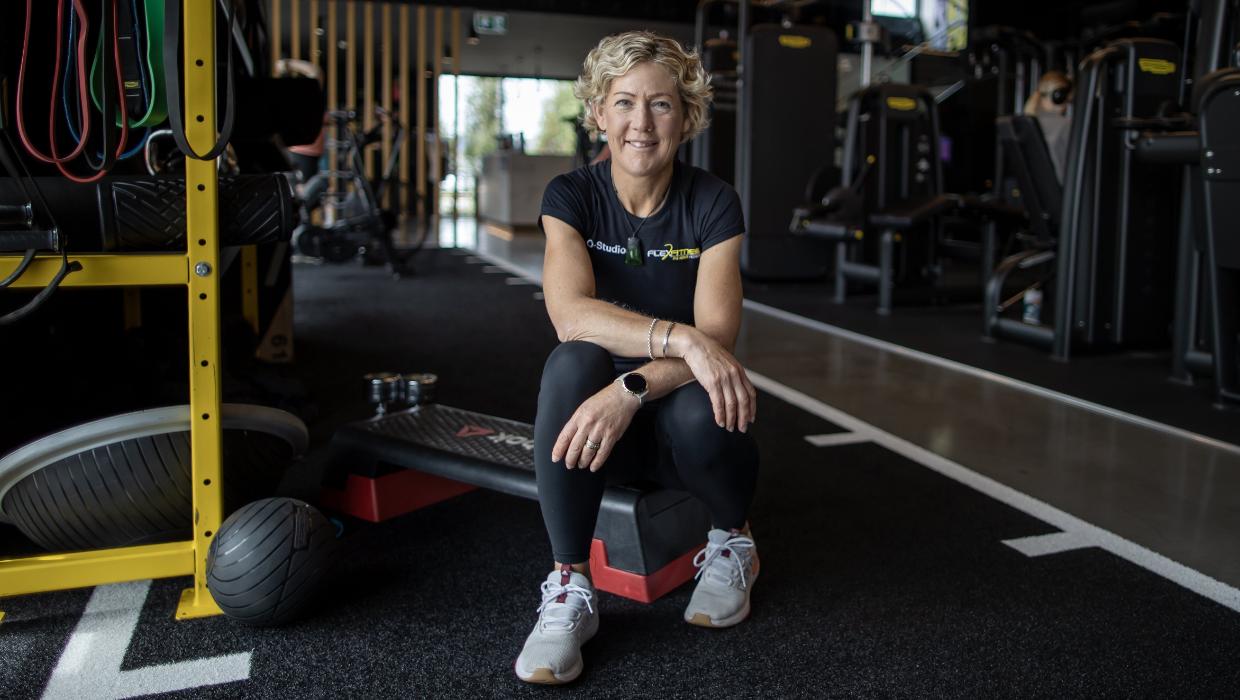
Bronwyn Harris, a 49-year-old woman from Christchurch, New Zealand, is one such patient. Diagnosed with stage 4 ovarian cancer two years ago, doctors initially estimated she had only a year to live. Today, however, she is still fighting and believes she has years ahead of her. “I really want to see my girls get married and have children. I want to grow old with my husband,” Harris shared. “I’m just not done yet.”
Harris first sought medical help in early 2023 after experiencing worsening abdominal pain. Following a series of tests, doctors confirmed her diagnosis. In a surgery that followed shortly thereafter, a 2.5 kg tumor was removed from her ovaries, revealing the cancer had spread significantly to her liver, bowels, and lungs.
The treatment began with seven months of chemotherapy, which brought severe side effects, including hair loss and extreme fatigue. “It was a horrible time,” she recalled. In a turning point, she was prescribed a drug called olaparib, which, while not a cure, has helped keep her cancer cells dormant. Doctors estimate that this medication gives her a 70% chance of living another seven years.
Despite its benefits, the fatigue from the drug remains a struggle. Harris manages by staying active, engaging in exercise that helps her combat exhaustion. She plans to undergo a double mastectomy next year to reduce her risk of developing breast cancer. “I manage the fatigue through exercise,” she explained.
Harris has shifted her career to focus on health and fitness, now working as a part-time personal trainer. She is also training for the demanding Coast to Coast event in February, aiming to raise awareness about ovarian cancer and its often silent symptoms. “How can we educate women about the symptoms? This is my destiny now, to bring awareness about this disease,” she said.
For Brendon Vere, another patient battling terminal cancer, the journey has been more tumultuous. Diagnosed with stage 4 bowel cancer at age 38, Vere’s path has been marked by aggressive treatments and painful side effects. An upset stomach in 2020 led to his diagnosis, revealing cancer that had already spread to his lymph nodes and liver.
His treatment regime has included weeks of radiation and chemotherapy, followed by extensive surgeries that removed significant portions of his liver and bowel. By late 2021, the cancer had returned aggressively, leading him to start a new drug, cetuximab, which slowed its growth but did not cure it.
“The side effects were brutal,” he stated. “Fatigue was the biggest thing. It just drains your energy.” By 2024, he found himself unable to work due to the toll the treatments had taken on his body.
Eventually, the cumulative effects of treatment led Vere to make a difficult decision. In October 2023, he chose to discontinue his treatment. “It was a build-up of all the treatment over four or five years, constantly chiselling away at the body,” he explained. “There had to be the straw that finally broke the camel’s back.”
Dr. Kate Gregory, an oncologist and medical director at the Cancer Society in Nelson, noted that there is no singular right choice for terminal cancer patients. “Patients have a huge say in their treatment and what is important for them,” she said. “Any amount of time is often precious to people.”
While the side effects of medications can be severe, Dr. Gregory emphasized that medical teams are improving in managing these challenges. “As oncologists, our job is to ensure patients understand the benefits and drawbacks of treatment options,” she stated.
Questions remain about the implications of life-prolonging drugs on palliative care services. Dr. Gregory indicated that while longer life may increase demand for these services, some treatments can actually enhance the quality of life, reducing the need for specialized palliative care.
With continuous advances in cancer treatments, both Harris and Vere maintain hope for new options. Harris expressed her commitment to supporting the Ovarian Cancer Foundation, believing that continued research may yield new treatments by the time she needs them. “That’s my goal, and I need to take responsibility for that,” she said.
Vere shares a similar outlook, remaining open to the possibility of restarting treatment if new therapies become available. “I know that will always be one of the reasons to continue treatment,” he noted. “The longer you hang on, the bigger the chance of finding that magical cure at the end.”
As medical science progresses, the experiences of patients like Harris and Vere highlight the complex balance between extending life and maintaining its quality. Their stories underscore the need for ongoing dialogue about the implications of advanced cancer treatments and the importance of patient agency in treatment choices.

Rieko Ioane Scores First Try for Leinster After Year-Long Drought

Developer Invests Millions to Unlock 5,000 New Homes in Karaka

Jack Tame’s Saturday Morning Podcast Delivers Insights and Fun

Community Voices Concerns Over Warkworth Planning Changes

Tune In: Jack Tame’s Podcast Delivers Weekend Insights

Enjoy the Festive Season with Healthy Eating Strategies

Black Caps Take on West Indies in Thrilling Third Test Showdown

Serious Crash Closes State Highway 1 Near Kaiwaka, Delays Expected

US Justice Department Releases Epstein Records Amid Political Pressure

Test Your Knowledge: Take the Herald’s Afternoon Quiz Today

PM Faces Backlash from Fans During Netball Trophy Ceremony

Tongan Star Eli Katoa Shares Recovery Update After Surgery

Dunedin Designers Win Top Award at Hokonui Fashion Event

Experience the Excitement of ‘Chief of War’ in Oʻahu

Liam Lawson Launches New Era for Racing Bulls with Strong Start

Coalition Forms to Preserve Māori Wards in Hawke’s Bay

Walking Faster Offers Major Health Benefits for Older Adults

Disney Fan Reveals Dress Code Tips for Park Visitors
-
 World5 months ago
Test Your Knowledge: Take the Herald’s Afternoon Quiz Today
-
 Sports5 months ago
PM Faces Backlash from Fans During Netball Trophy Ceremony
-
 Top Stories3 weeks ago
Tongan Star Eli Katoa Shares Recovery Update After Surgery
-
 Lifestyle5 months ago
Dunedin Designers Win Top Award at Hokonui Fashion Event
-
 Entertainment5 months ago
Experience the Excitement of ‘Chief of War’ in Oʻahu
-
 Sports5 months ago
Liam Lawson Launches New Era for Racing Bulls with Strong Start
-
 World5 months ago
Coalition Forms to Preserve Māori Wards in Hawke’s Bay
-
 Health5 months ago
Walking Faster Offers Major Health Benefits for Older Adults
-
 Lifestyle5 months ago
Disney Fan Reveals Dress Code Tips for Park Visitors
-

 Politics5 months ago
Scots Rally with Humor and Music to Protest Trump’s Visit
-

 Top Stories5 months ago
UK and India Finalize Trade Deal to Boost Economic Ties
-

 Health3 months ago
Radio Host Jay-Jay Feeney’s Partner Secures Visa to Stay in NZ