
Business
New Zealand Firms Eye India Trade Deal as Path for Māori Businesses

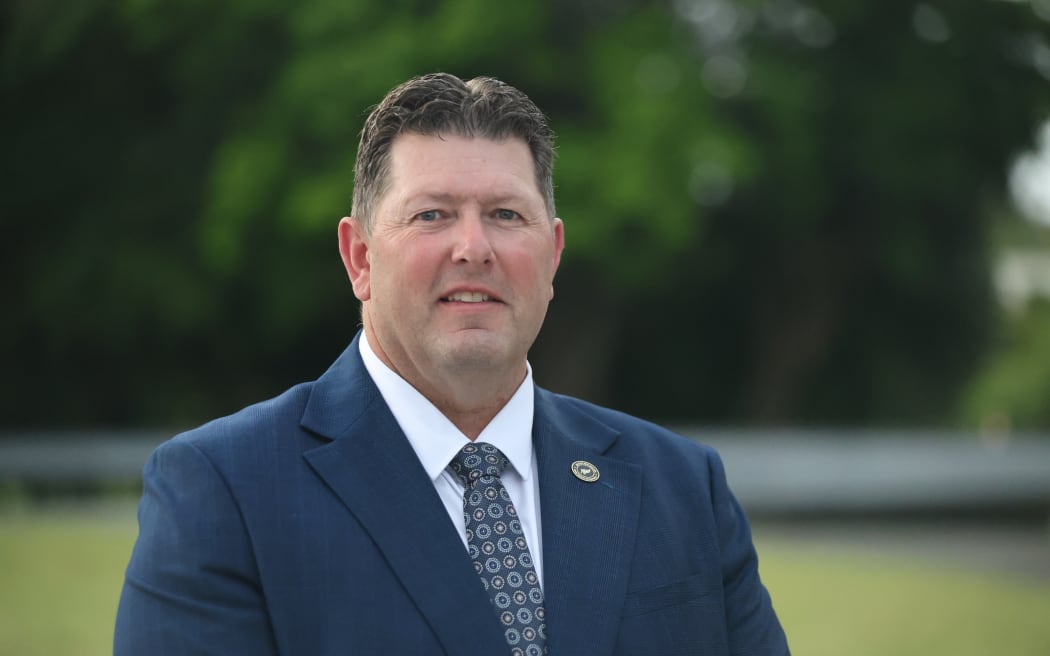
New Zealand businesses are poised to leverage a potential trade deal with India, which industry experts believe could significantly benefit Māori enterprises. At an inaugural roadshow held at Te Mahurehure Cultural Marae in Auckland, Geoff Allott, executive director and co-founder of Quality NZ, emphasized the existing supply chain network that his company has developed over the past 12 years. Quality NZ serves as the exclusive supplier of sheep meat from Alliance farmers to India and other Southern Asian markets.
Allott stated, “Over time we have developed a vast supply chain network which can help any New Zealand business, especially iwi, provide a gateway to the Indian market.” The company operates in 46 cities and boasts over 500 customers, supplying goods to approximately 90 percent of five-star hotels in India. Quality NZ also plays a role in skill development, student mobility, and vocational training.
Strengthening Trade Connections
The event was organized by Indiaspora New Zealand, a global network for leaders of Indian origin. Mallika Janakiraman, ambassador of Indiaspora New Zealand, highlighted the initiative’s goal to cultivate connections between India and New Zealand. “We are bringing this organisation to New Zealand to celebrate the woven connection of trade, talent, and trust between India and New Zealand,” Janakiraman explained.
Allott pointed out the cultural similarities between Māori and Indian communities, suggesting that shared values around land and family resonate deeply with Indian consumers. He remarked, “This [similarity] provides an obvious opportunity for iwi.” Furthermore, he noted the influence of the recent India-Australia free trade agreement on New Zealand’s exports, specifically referencing the significant impact of a 33 percent tariff on sheep meat. “That’s why we believe an India-New Zealand trade deal will be a game changer for all New Zealand businesses,” Allott asserted.
Earl Rattray, a former director at Fonterra and an established dairy farmer in India, echoed Allott’s sentiments. Rattray, who has been farming in Haryana since 2012, revealed that his operations have expanded from four hectares to a total of 60. His farms produce around 1 million litres of milk annually, supplying approximately 6,000 households daily. Rattray expressed hope for a comprehensive trade agreement, stating, “Every country has its own sensitivities, and I am sure trade negotiators on both sides will manage it appropriately.”
Opportunities Beyond Trade
In a panel discussion at the roadshow, Mahesh Muralidhar, CEO of Phase One Ventures, urged New Zealand businesses to recognize the vast market that India represents. “We have done it in the past with the US and China,” he noted. “Now we need to do it again with India, which provides a different texture and different challenges.” He cited the Indian women’s cricket team’s recent World Cup victory as a catalyst for heightened national enthusiasm, presenting an opportunity for New Zealand to enhance its cricket training infrastructure.
Indian Consulate-General Madan Mohan Sethi highlighted tourism as another promising avenue for growth. “Currently about 80,000 Indians visit New Zealand every year. Can we think of ways to increase this number to 200,000?” Sethi inquired. He emphasized that boosting tourism would not only benefit New Zealand’s hospitality sector but also foster stronger people-to-people connections.
Janakiraman concluded by expressing aspirations for broader collaboration beyond mere trade agreements. “There must also be talent mobility from New Zealand to India, instead of just one way,” she urged. She called for discussions around cultural and culinary diplomacy, alongside the well-known concept of cricket diplomacy, to strengthen ties between the two nations.
As New Zealand firms prepare for potential trade opportunities in India, the collective optimism at the roadshow underscores a growing recognition of the benefits that enhanced connections could bring to both countries. This evolving relationship could pave the way for new markets and innovative partnerships, particularly for Māori businesses seeking to expand their reach.

Long-Lost Rubens Painting Fetches €2.94 Million at Auction

Investigation Continues into Andrew Coster as Agency Progresses

Legendary Rugby Players to Clash in Anzac Day Classic Match

Get Financially Fit for 2026: Strategies to Tackle Debt

Swiss National Pleads Guilty in Fatal Canterbury Crash

One NZ Fined $1.1 Million for Breaching Emergency Call Standards

Challenge Your Mind: Solve Today’s Hard Word Puzzle in 60 Seconds

Lusail Circuit Engages F1 Leaders to Enhance Motorsport Collaboration

Long-Lost Rubens Painting Fetches €2.94 Million at Auction

Test Your Knowledge: Take the Herald’s Afternoon Quiz Today

PM Faces Backlash from Fans During Netball Trophy Ceremony

Dunedin Designers Win Top Award at Hokonui Fashion Event

Liam Lawson Launches New Era for Racing Bulls with Strong Start

Experience the Excitement of ‘Chief of War’ in Oʻahu

Coalition Forms to Preserve Māori Wards in Hawke’s Bay

Disney Fan Reveals Dress Code Tips for Park Visitors

Walking Faster Offers Major Health Benefits for Older Adults

Scots Rally with Humor and Music to Protest Trump’s Visit
-
 World4 months ago
Test Your Knowledge: Take the Herald’s Afternoon Quiz Today
-
 Sports4 months ago
PM Faces Backlash from Fans During Netball Trophy Ceremony
-
 Lifestyle4 months ago
Dunedin Designers Win Top Award at Hokonui Fashion Event
-
 Sports4 months ago
Liam Lawson Launches New Era for Racing Bulls with Strong Start
-
 Entertainment4 months ago
Experience the Excitement of ‘Chief of War’ in Oʻahu
-
 World4 months ago
Coalition Forms to Preserve Māori Wards in Hawke’s Bay
-
 Lifestyle4 months ago
Disney Fan Reveals Dress Code Tips for Park Visitors
-
 Health4 months ago
Walking Faster Offers Major Health Benefits for Older Adults
-
 Politics4 months ago
Scots Rally with Humor and Music to Protest Trump’s Visit
-

 Top Stories4 months ago
UK and India Finalize Trade Deal to Boost Economic Ties
-

 Health2 months ago
Radio Host Jay-Jay Feeney’s Partner Secures Visa to Stay in NZ
-

 World4 months ago
Huntly Begins Water Pipe Flushing to Resolve Brown Water Issue