
Entertainment
Calls Grow for Gender Equality in Japanese Succession Law

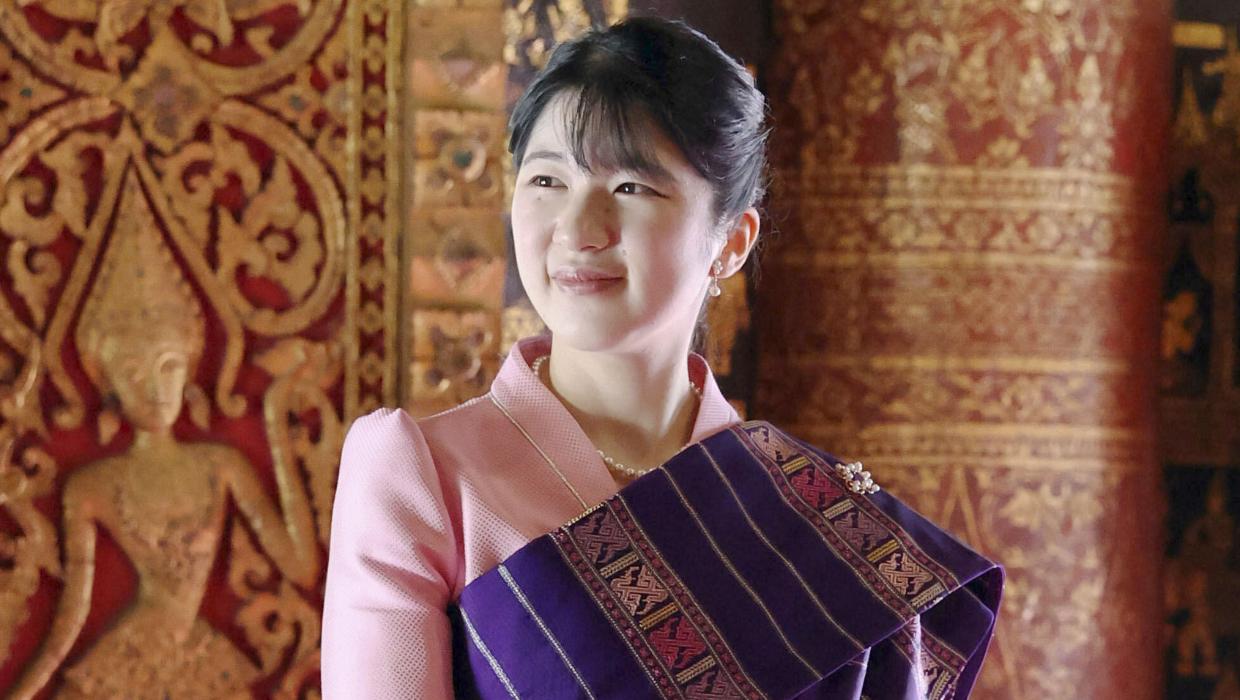
Japan is witnessing an increasing movement advocating for a change to its male-only succession law, a shift that is gaining traction largely due to the popularity of Princess Aiko, the daughter of Crown Prince Fumihito and Crown Princess Kiko. As public support mounts, many are calling for reforms to allow female members of the Imperial Family to ascend the throne.
Princess Aiko has captivated the nation with her charm and intelligence, often drawing crowds reminiscent of a pop star. Her presence at public events has contributed significantly to discussions surrounding gender equality in the Japanese monarchy. Currently, the Imperial Household Agency upholds a law that restricts succession to male heirs, a situation that many see as outdated and in need of reform.
In recent months, the conversation around this topic has intensified. A significant number of Japanese citizens, particularly younger generations, have expressed their desire for a more inclusive royal lineage. This shift in public sentiment has put pressure on political leaders to reconsider the existing laws governing succession within the Imperial Family.
The current law dates back to 1947 and has not been amended since. It establishes that only male heirs can inherit the throne, which raises concerns about the future of the monarchy as the number of male heirs dwindles. With only one male heir, Prince Hisahito, the future of the Imperial Family is uncertain. As a result, many argue that it is crucial to amend the law to ensure the continuation of the royal lineage and to reflect modern values of gender equality.
Several politicians have voiced their support for changing the male-only succession law. Yoshihide Suga, a former Prime Minister, has highlighted the importance of discussing the issue openly. His remarks have resonated with many who believe that Princess Aiko’s popularity could be a driving force for reform.
Public opinion surveys conducted by the Imperial Household Agency show that a notable portion of the population supports allowing women to ascend the throne. According to a survey conducted in early 2023, approximately 70% of respondents favored discussions on this topic, indicating a significant shift in attitudes toward gender roles within the monarchy.
As the debate continues, advocates for change emphasize the need for a constitutional amendment to facilitate a fair process for female succession. They argue that recognizing the contributions of women in the royal family can help modernize Japan’s monarchy and strengthen its connection with the public.
The growing support for Princess Aiko and calls for reform reflect broader societal changes in Japan. As the country grapples with issues of gender equality and representation, the future of the Imperial Family may hinge on the outcomes of these discussions.
In conclusion, the popularity of Princess Aiko has become a catalyst for a larger movement advocating for gender equality in the Japanese monarchy. With public sentiment shifting and political voices joining the conversation, the prospects for reforming the male-only succession law look increasingly promising. Japan stands at a pivotal moment, where tradition meets the push for modern values, potentially reshaping the future of its royal lineage.

Discover Unique Wildlife on Adelaide’s Riverside and Eyre Peninsula

Calls Grow for Gender Equality in Japanese Succession Law

Tunisia and Syria Clash in FIFA Arab Cup Qatar 2025

Discover Unique Christmas Gifts at Willow and Silk Interiors

Former UK Minister Sentenced to Two Years for Corruption

Tall Blacks Suffer Heartbreaking Loss to Australia Amid Broadcast Issues

Auckland Beaches Warn Swimmers as Sewage Overflows Contaminate Waters

Auckland’s New Rules for Pet Renters and Directory Changes

Explore Adelaide’s Riverside Tours and Eyre Peninsula Safari

Test Your Knowledge: Take the Herald’s Afternoon Quiz Today

PM Faces Backlash from Fans During Netball Trophy Ceremony

Dunedin Designers Win Top Award at Hokonui Fashion Event

Liam Lawson Launches New Era for Racing Bulls with Strong Start

Experience the Excitement of ‘Chief of War’ in Oʻahu

Coalition Forms to Preserve Māori Wards in Hawke’s Bay

Disney Fan Reveals Dress Code Tips for Park Visitors

Walking Faster Offers Major Health Benefits for Older Adults

Scots Rally with Humor and Music to Protest Trump’s Visit
-
 World4 months ago
Test Your Knowledge: Take the Herald’s Afternoon Quiz Today
-
 Sports4 months ago
PM Faces Backlash from Fans During Netball Trophy Ceremony
-
 Lifestyle4 months ago
Dunedin Designers Win Top Award at Hokonui Fashion Event
-
 Sports4 months ago
Liam Lawson Launches New Era for Racing Bulls with Strong Start
-
 Entertainment4 months ago
Experience the Excitement of ‘Chief of War’ in Oʻahu
-
 World4 months ago
Coalition Forms to Preserve Māori Wards in Hawke’s Bay
-
 Lifestyle4 months ago
Disney Fan Reveals Dress Code Tips for Park Visitors
-
 Health4 months ago
Walking Faster Offers Major Health Benefits for Older Adults
-
 Politics4 months ago
Scots Rally with Humor and Music to Protest Trump’s Visit
-

 Top Stories4 months ago
UK and India Finalize Trade Deal to Boost Economic Ties
-

 Health2 months ago
Radio Host Jay-Jay Feeney’s Partner Secures Visa to Stay in NZ
-

 World4 months ago
Huntly Begins Water Pipe Flushing to Resolve Brown Water Issue