
Entertainment
Calls Grow for Reform of Japan’s Male-Only Succession Law

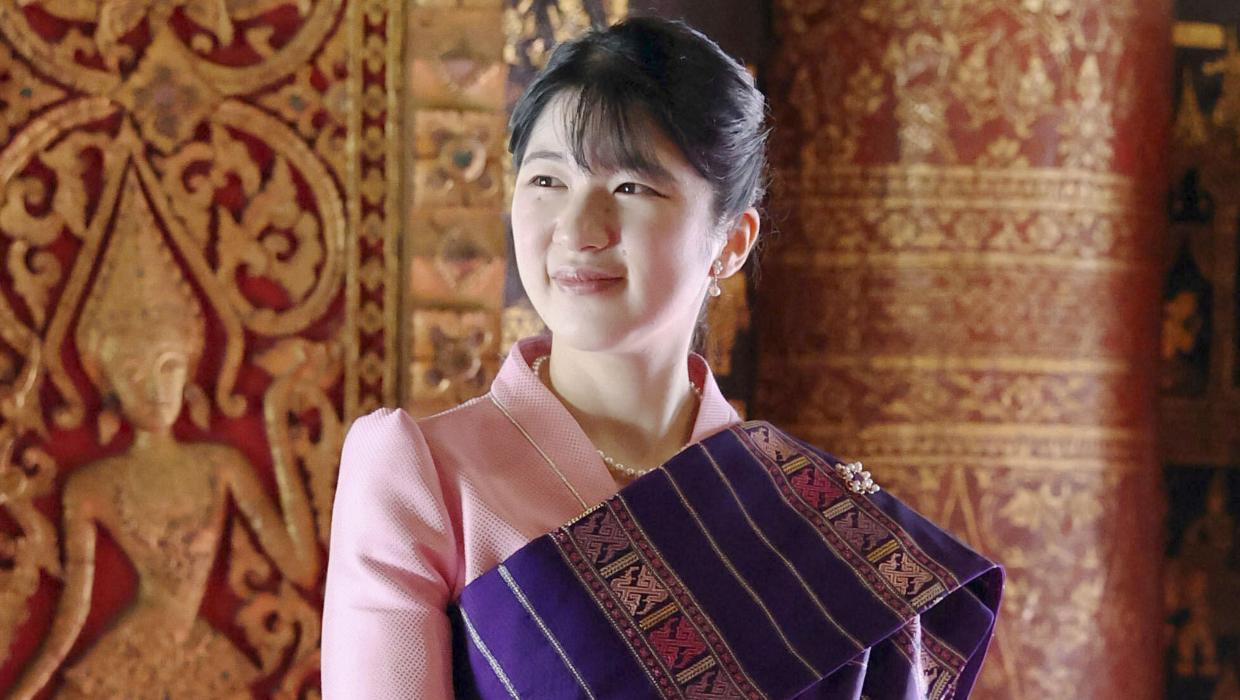
The popularity of Japan’s Princess Aiko has sparked increasing calls for reform of the country’s male-only succession law. Many citizens are advocating for changes that would allow female heirs to ascend to the throne, reflecting a significant shift in public sentiment regarding gender equality within the Japanese Imperial Family.
Princess Aiko, the only child of Crown Prince Naruhito and Crown Princess Masako, has captured the hearts of many. Her public appearances often draw enthusiastic crowds, reminiscent of a pop star’s reception. As she approaches her 22nd birthday on December 1, 2023, discussions around her potential role in the royal succession are intensifying.
Public Support for Succession Law Reform
According to a recent survey conducted by the Imperial Household Agency, approximately 70% of respondents support allowing female members of the royal family to inherit the throne. This marks a significant change from past attitudes where traditional views on male succession dominated.
Advocates for reform argue that the current system not only limits the royal family’s options for succession but also reflects outdated views on gender roles in society. Prominent voices in the debate, including gender equality activists and political figures, are calling for urgent discussions within the government regarding potential amendments to the Imperial House Law.
One such advocate, Yoko Kamikawa, Japan’s Minister of Justice, stated, “It’s time to consider the future of our Imperial Family in a way that reflects modern values and aspirations.” Her comments resonate with many who believe that Princess Aiko’s popularity could be a catalyst for change.
The Role of Princess Aiko in Modern Japan
As the first female heir to the throne in Japan in over a century, Princess Aiko embodies a new generation of royal family members who may reshape the monarchy’s image. Her public engagements and educational pursuits have garnered admiration, particularly among younger generations who are increasingly vocal about gender equality.
The current succession law, enacted in 1947, only recognizes male heirs, leaving Princess Aiko and her younger cousins, who are also female, ineligible for the throne. The law has been criticized for its lack of flexibility and failure to adapt to contemporary societal norms.
Experts suggest that revising the succession law could not only enhance the monarchy’s relevance but also promote gender equality in broader Japanese society. With Princess Aiko at the forefront of this conversation, many are hopeful that her influence will help pave the way for necessary reforms.
As the debate continues, the Japanese public remains engaged, with social media campaigns and public discussions highlighting the importance of gender equality. The outcome of this discourse could significantly impact the future of the Japanese Imperial Family and its role in a rapidly changing society.
In conclusion, as Princess Aiko prepares to step further into the public eye, her influence may extend beyond her royal duties, potentially catalyzing a historic shift in Japan’s succession laws.

Hickey’s Clutch Three-Pointer Secures Series Sweep Over Tall Blacks

Auckland Beaches Hit by Sewage Overflows, Swimmers Advised to Stay Out

New Zealand Faces Warm, Dry Summer with Rainy End in North

Explore South Australia’s Wildlife: Coastal Safaris and Riverside Tours

Calls Grow for Reform of Japan’s Male-Only Succession Law

FIFA Arab Cup 2025 Kicks Off in Qatar with 700,000 Tickets Sold

Discover Unique Christmas Gift Ideas at Willow and Silk Interiors

Legal Battle Continues Over Media Restrictions in Tom Phillips Case

Liam Lawson Awaits Formula One Decision After Impressive Performance

Test Your Knowledge: Take the Herald’s Afternoon Quiz Today

PM Faces Backlash from Fans During Netball Trophy Ceremony

Dunedin Designers Win Top Award at Hokonui Fashion Event

Liam Lawson Launches New Era for Racing Bulls with Strong Start

Experience the Excitement of ‘Chief of War’ in Oʻahu

Coalition Forms to Preserve Māori Wards in Hawke’s Bay

Disney Fan Reveals Dress Code Tips for Park Visitors

Walking Faster Offers Major Health Benefits for Older Adults

Scots Rally with Humor and Music to Protest Trump’s Visit
-
 World4 months ago
Test Your Knowledge: Take the Herald’s Afternoon Quiz Today
-
 Sports4 months ago
PM Faces Backlash from Fans During Netball Trophy Ceremony
-
 Lifestyle4 months ago
Dunedin Designers Win Top Award at Hokonui Fashion Event
-
 Sports4 months ago
Liam Lawson Launches New Era for Racing Bulls with Strong Start
-
 Entertainment4 months ago
Experience the Excitement of ‘Chief of War’ in Oʻahu
-
 World4 months ago
Coalition Forms to Preserve Māori Wards in Hawke’s Bay
-
 Lifestyle4 months ago
Disney Fan Reveals Dress Code Tips for Park Visitors
-
 Health4 months ago
Walking Faster Offers Major Health Benefits for Older Adults
-
 Politics4 months ago
Scots Rally with Humor and Music to Protest Trump’s Visit
-

 Top Stories4 months ago
UK and India Finalize Trade Deal to Boost Economic Ties
-

 Health2 months ago
Radio Host Jay-Jay Feeney’s Partner Secures Visa to Stay in NZ
-

 World4 months ago
Huntly Begins Water Pipe Flushing to Resolve Brown Water Issue