
Entertainment
Calls Intensify for Gender Equality in Japanese Royal Succession

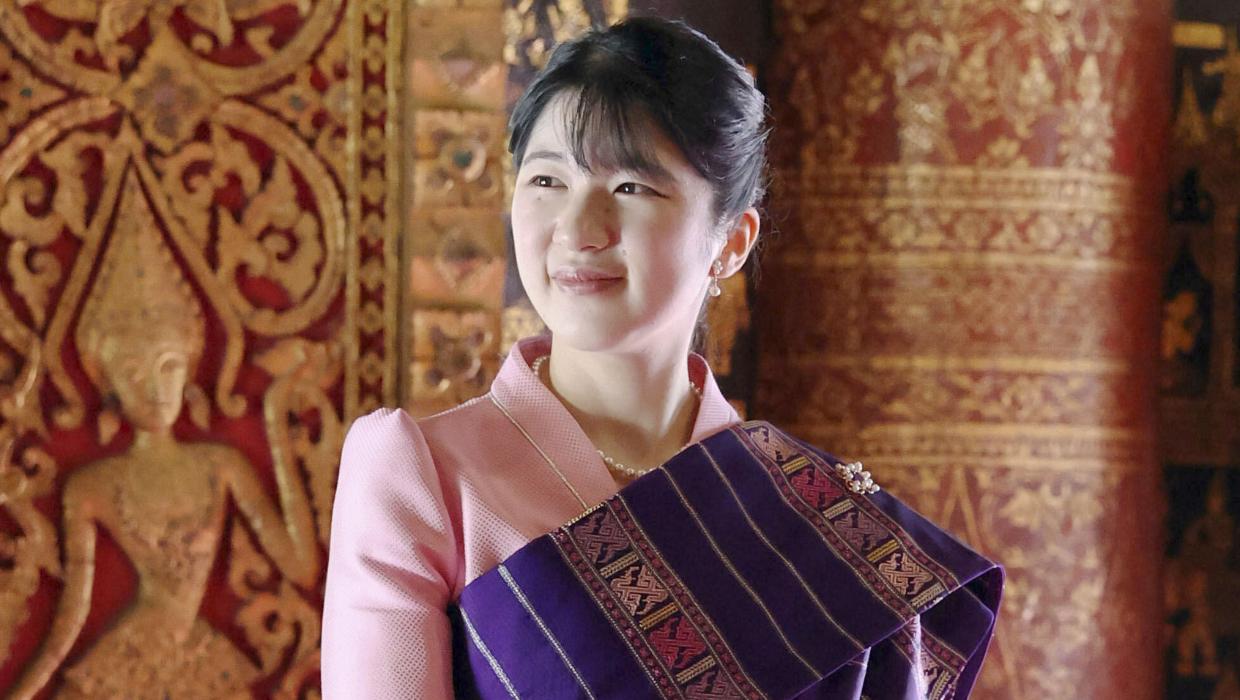
The popularity of Japan’s Princess Aiko has sparked a significant discussion regarding the country’s male-only succession law. As citizens express their admiration for the princess, many are advocating for a change to allow female members of the Imperial Family to ascend the throne. This growing movement highlights a shift in public sentiment toward gender equality in royal succession.
Princess Aiko, the only child of Crown Prince Fumihito and Crown Princess Kiko, has become a beloved figure in Japan. Her public appearances often draw enthusiastic crowds, and she is celebrated for her grace and dedication to her royal duties. As the public’s affection for her deepens, the conversation around her potential role in the future of the Imperial Family intensifies.
Public Support and Expert Opinions
Recent polls indicate that a significant portion of the Japanese population supports reforming the succession law, which currently allows only males to inherit the throne. According to a survey conducted by the Asahi Shimbun in early March 2024, approximately 60% of respondents favor the inclusion of women in the line of succession.
In response to the mounting support, a Council of Experts convened to discuss the implications of changing the law. The council, formed by the Japanese government, is tasked with examining the royal succession system and providing recommendations. Experts have noted that evolving societal norms and the increasing visibility of female leaders could necessitate a reevaluation of the existing framework.
Prominent advocates for change, including women’s rights activists and members of the public, argue that embracing gender equality in the Imperial Family would reflect broader societal values. Many believe that Princess Aiko, given her popularity and capability, would make a fitting future monarch, should the law change.
Historical Context and Future Implications
The current male-only succession law has been in place since the Meiji era, and it has faced criticism for its exclusionary nature. Japan’s Imperial Family has traditionally maintained a rigid structure, but recent dialogues suggest that the public is ready for transformation. Advocates argue that allowing women to ascend the throne would not only modernize the monarchy but also inspire future generations.
Changing the law would require legislative action and could face opposition from traditionalists who favor maintaining the status quo. However, the growing support for Princess Aiko and the discussion around her potential role could signify a pivotal moment in Japanese history.
This evolving conversation surrounding Princess Aiko and the succession laws reflects a broader trend of challenging outdated norms. As the debate continues, many are hopeful that Japan can take steps toward greater gender equality, not just within the monarchy but across all sectors of society. The outcome of this movement could have lasting implications for the future of the Japanese Imperial Family and its relationship with the people.

Tall Blacks Suffer Heartbreaking Loss to Australia Amid Broadcast Issues

Auckland Beaches Warn Swimmers as Sewage Overflows Contaminate Waters

Auckland’s New Rules for Pet Renters and Directory Changes

Explore Adelaide’s Riverside Tours and Eyre Peninsula Safari

Calls Intensify for Gender Equality in Japanese Royal Succession

FIFA Arab Cup Qatar 2025 Kicks Off with Major Anticipation

Hickey’s Clutch Three-Pointer Secures Series Sweep Over Tall Blacks

Auckland Beaches Hit by Sewage Overflows, Swimmers Advised to Stay Out

New Zealand Faces Warm, Dry Summer with Rainy End in North

Test Your Knowledge: Take the Herald’s Afternoon Quiz Today

PM Faces Backlash from Fans During Netball Trophy Ceremony

Dunedin Designers Win Top Award at Hokonui Fashion Event

Liam Lawson Launches New Era for Racing Bulls with Strong Start

Experience the Excitement of ‘Chief of War’ in Oʻahu

Coalition Forms to Preserve Māori Wards in Hawke’s Bay

Disney Fan Reveals Dress Code Tips for Park Visitors

Walking Faster Offers Major Health Benefits for Older Adults

Scots Rally with Humor and Music to Protest Trump’s Visit
-
 World4 months ago
Test Your Knowledge: Take the Herald’s Afternoon Quiz Today
-
 Sports4 months ago
PM Faces Backlash from Fans During Netball Trophy Ceremony
-
 Lifestyle4 months ago
Dunedin Designers Win Top Award at Hokonui Fashion Event
-
 Sports4 months ago
Liam Lawson Launches New Era for Racing Bulls with Strong Start
-
 Entertainment4 months ago
Experience the Excitement of ‘Chief of War’ in Oʻahu
-
 World4 months ago
Coalition Forms to Preserve Māori Wards in Hawke’s Bay
-
 Lifestyle4 months ago
Disney Fan Reveals Dress Code Tips for Park Visitors
-
 Health4 months ago
Walking Faster Offers Major Health Benefits for Older Adults
-
 Politics4 months ago
Scots Rally with Humor and Music to Protest Trump’s Visit
-

 Top Stories4 months ago
UK and India Finalize Trade Deal to Boost Economic Ties
-

 Health2 months ago
Radio Host Jay-Jay Feeney’s Partner Secures Visa to Stay in NZ
-

 World4 months ago
Huntly Begins Water Pipe Flushing to Resolve Brown Water Issue