
Health
Enjoy the Festive Season with Healthy Eating Strategies

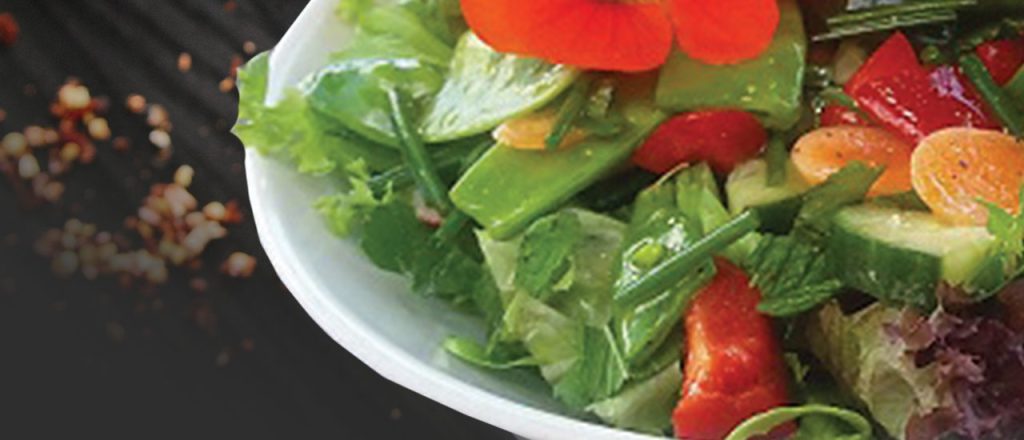
The festive season has arrived, bringing with it a time for celebration, family gatherings, and, often, an abundance of food. While Christmas is a wonderful opportunity to connect with loved ones, it can also challenge healthy eating habits. Indulgent feasts may lead to feelings of bloating and sluggishness, creating a cycle of post-holiday guilt that can linger into January. Fortunately, adopting a balanced approach allows individuals to enjoy seasonal flavours while maintaining wellbeing.
Strategies for Balanced Eating During the Holidays
A few practical tips can help ensure that the festive celebrations do not compromise overall health. Here are five effective strategies to maintain balance while enjoying the holiday season.
1. Be Smart with Portions
One of the simplest ways to navigate holiday meals is to manage portion sizes. Instead of loading a plate with every dish available, take a moment to consider which foods genuinely appeal to you. This approach not only allows for a more satisfying experience but also leaves room for dessert. Remember, seasonal favourites will likely return throughout the festive period, so skipping a particular item today does not mean missing out entirely.
2. Serve Your Own Plate
Taking control of serving sizes is another effective strategy. When individuals select their portions, they can create a balanced plate that aligns with their dietary preferences. The ‘healthy plate’ model can serve as a useful guide: aim for approximately one-quarter protein, one-quarter carbohydrates, and half the plate filled with colourful vegetables or salads. This visual method makes it easier to enjoy festive treats while still prioritising nutrition.
3. Eat Regularly
Skipping meals in anticipation of a larger feast can often backfire, leading to overeating. Maintaining a regular eating schedule, with balanced breakfasts and snacks, helps ensure that appetite remains steady and manageable. Arriving at festive meals with a calm and mindful hunger can enhance the dining experience.
Mindful Drinking and Staying Active
4. Rethink Your Drinks
Hydration plays a vital role in overall wellbeing, especially during the festive season. Alternating between alcoholic and non-alcoholic beverages can help maintain energy and hydration levels. Options such as sparkling water with citrus, kombucha, or homemade iced tea offer refreshing alternatives. If consuming alcohol, adhere to the current health recommendations in New Zealand, which suggest up to two standard drinks per day for women (a maximum of 10 per week) and three for men (no more than 15 per week).
5. Keep Moving
The warmer weather in December provides an excellent opportunity to stay active outdoors. Engaging in activities like beach walks, swimming, or playing backyard cricket can boost mood and assist in balancing festive indulgence. Movement is a key component of wellbeing and can help mitigate the effects of holiday overeating.
As the Christmas period unfolds, it is essential to remain mindful of food choices, rest, and physical activity. By embracing these strategies, individuals can focus on the true essence of the season: connection, joy, and maintaining a sense of wellbeing as the new year approaches.

Rieko Ioane Scores First Try for Leinster After Year-Long Drought

Developer Invests Millions to Unlock 5,000 New Homes in Karaka

Jack Tame’s Saturday Morning Podcast Delivers Insights and Fun

Community Voices Concerns Over Warkworth Planning Changes

Tune In: Jack Tame’s Podcast Delivers Weekend Insights

Enjoy the Festive Season with Healthy Eating Strategies

Black Caps Take on West Indies in Thrilling Third Test Showdown

Serious Crash Closes State Highway 1 Near Kaiwaka, Delays Expected

US Justice Department Releases Epstein Records Amid Political Pressure

Test Your Knowledge: Take the Herald’s Afternoon Quiz Today

PM Faces Backlash from Fans During Netball Trophy Ceremony

Tongan Star Eli Katoa Shares Recovery Update After Surgery

Dunedin Designers Win Top Award at Hokonui Fashion Event

Experience the Excitement of ‘Chief of War’ in Oʻahu

Liam Lawson Launches New Era for Racing Bulls with Strong Start

Coalition Forms to Preserve Māori Wards in Hawke’s Bay

Walking Faster Offers Major Health Benefits for Older Adults

Disney Fan Reveals Dress Code Tips for Park Visitors
-
 World5 months ago
Test Your Knowledge: Take the Herald’s Afternoon Quiz Today
-
 Sports5 months ago
PM Faces Backlash from Fans During Netball Trophy Ceremony
-
 Top Stories3 weeks ago
Tongan Star Eli Katoa Shares Recovery Update After Surgery
-
 Lifestyle5 months ago
Dunedin Designers Win Top Award at Hokonui Fashion Event
-
 Entertainment5 months ago
Experience the Excitement of ‘Chief of War’ in Oʻahu
-
 Sports5 months ago
Liam Lawson Launches New Era for Racing Bulls with Strong Start
-
 World5 months ago
Coalition Forms to Preserve Māori Wards in Hawke’s Bay
-
 Health5 months ago
Walking Faster Offers Major Health Benefits for Older Adults
-
 Lifestyle5 months ago
Disney Fan Reveals Dress Code Tips for Park Visitors
-

 Politics5 months ago
Scots Rally with Humor and Music to Protest Trump’s Visit
-

 Top Stories5 months ago
UK and India Finalize Trade Deal to Boost Economic Ties
-

 Health3 months ago
Radio Host Jay-Jay Feeney’s Partner Secures Visa to Stay in NZ