
Health
Fenugreek Seed Water: A Natural Aid for Diabetes Management

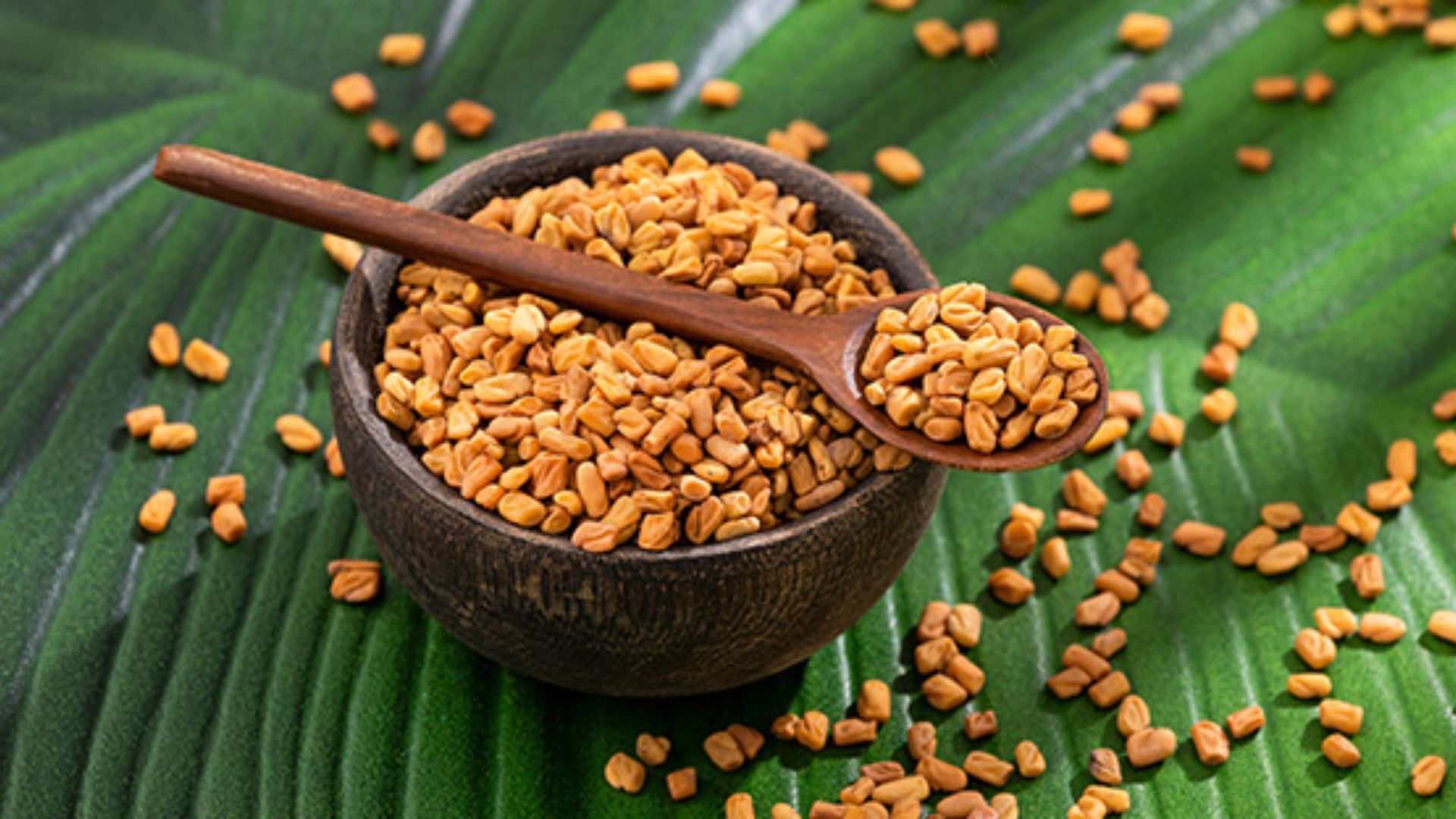
For individuals managing diabetes, maintaining stable blood sugar levels can often be a daily struggle. Health experts are now advocating for a natural remedy that could provide significant benefits: fenugreek seed water, commonly referred to as methi dana water. This traditional solution has been utilized in Indian households and herbal medicine for centuries, thanks to its rich nutrient composition.
Health Benefits of Fenugreek Seeds
Fenugreek seeds are abundant in nutrients, antioxidants, and soluble fiber, all of which contribute to their health-promoting properties. According to Kiran Dalal, Chief Dietitian at Fortis Hospital in Faridabad, these qualities make fenugreek particularly effective in stabilizing blood sugar levels. “Its seeds are rich in nutrients, antioxidants, and soluble fiber,” she stated in a recent discussion with Health Shots.
The preparation of methi water is simple: one teaspoon of fenugreek seeds should be soaked in a glass of water overnight. Consuming this water on an empty stomach the following morning allows for optimal nutrient absorption. This method is gaining support from various studies and nutrition specialists who emphasize the potential advantages of fenugreek seed water for diabetes management.
Research published in Frontiers in Nutrition indicates that fenugreek seeds may improve insulin sensitivity, a critical factor in glucose regulation. Starting the day with methi water could enhance pancreatic function, which is essential for effective blood sugar management. The soluble fiber content in fenugreek plays a significant role in slowing the absorption of sugar in the intestines, helping maintain steady blood glucose levels throughout the day.
Weight Management and Cardiovascular Health
For those living with diabetes, maintaining a healthy weight is crucial. The fiber found in fenugreek seeds promotes a feeling of fullness, which can reduce cravings and prevent overeating. This indirect support for insulin function can be beneficial for overall health. Additionally, fenugreek seeds have been associated with lowering low-density lipoprotein (LDL), commonly known as “bad” cholesterol, thus potentially reducing the risk of cardiovascular diseases—a significant concern for those with diabetes.
Fenugreek’s high fiber content also aids digestion, alleviating common issues such as constipation, bloating, and indigestion that many diabetics experience. Furthermore, these seeds may enhance the body’s absorption of essential vitamins and minerals, contributing to improved energy levels and overall health.
Individuals with diabetes often face a weakened immune system, making them more susceptible to infections. “Fenugreek seeds have antibacterial properties that can help protect against germs,” Dalal added. Regular consumption of methi water could enhance immunity and overall well-being.
While fenugreek seed water is not a replacement for prescribed medication, it can serve as a beneficial daily supplement for those aiming to manage their diabetes naturally. With its array of health benefits and straightforward preparation, fenugreek seed water is emerging as a promising addition to diabetes-friendly diets.
In summary, fenugreek seeds offer a potential ally in the ongoing battle against diabetes, providing a range of benefits that can assist individuals in maintaining better health and stability in their blood sugar levels.

Discover Unique Wildlife on Adelaide’s Riverside and Eyre Peninsula

Calls Grow for Gender Equality in Japanese Succession Law

Tunisia and Syria Clash in FIFA Arab Cup Qatar 2025

Discover Unique Christmas Gifts at Willow and Silk Interiors

Former UK Minister Sentenced to Two Years for Corruption

Tall Blacks Suffer Heartbreaking Loss to Australia Amid Broadcast Issues

Auckland Beaches Warn Swimmers as Sewage Overflows Contaminate Waters

Auckland’s New Rules for Pet Renters and Directory Changes

Explore Adelaide’s Riverside Tours and Eyre Peninsula Safari

Test Your Knowledge: Take the Herald’s Afternoon Quiz Today

PM Faces Backlash from Fans During Netball Trophy Ceremony

Dunedin Designers Win Top Award at Hokonui Fashion Event

Liam Lawson Launches New Era for Racing Bulls with Strong Start

Experience the Excitement of ‘Chief of War’ in Oʻahu

Coalition Forms to Preserve Māori Wards in Hawke’s Bay

Disney Fan Reveals Dress Code Tips for Park Visitors

Walking Faster Offers Major Health Benefits for Older Adults

Scots Rally with Humor and Music to Protest Trump’s Visit
-
 World4 months ago
Test Your Knowledge: Take the Herald’s Afternoon Quiz Today
-
 Sports4 months ago
PM Faces Backlash from Fans During Netball Trophy Ceremony
-
 Lifestyle4 months ago
Dunedin Designers Win Top Award at Hokonui Fashion Event
-
 Sports4 months ago
Liam Lawson Launches New Era for Racing Bulls with Strong Start
-
 Entertainment4 months ago
Experience the Excitement of ‘Chief of War’ in Oʻahu
-
 World4 months ago
Coalition Forms to Preserve Māori Wards in Hawke’s Bay
-
 Lifestyle4 months ago
Disney Fan Reveals Dress Code Tips for Park Visitors
-
 Health4 months ago
Walking Faster Offers Major Health Benefits for Older Adults
-
 Politics4 months ago
Scots Rally with Humor and Music to Protest Trump’s Visit
-

 Top Stories4 months ago
UK and India Finalize Trade Deal to Boost Economic Ties
-

 Health2 months ago
Radio Host Jay-Jay Feeney’s Partner Secures Visa to Stay in NZ
-

 World4 months ago
Huntly Begins Water Pipe Flushing to Resolve Brown Water Issue