
Lifestyle
Tatiana Schlossberg Reveals Terminal Cancer Diagnosis at 34

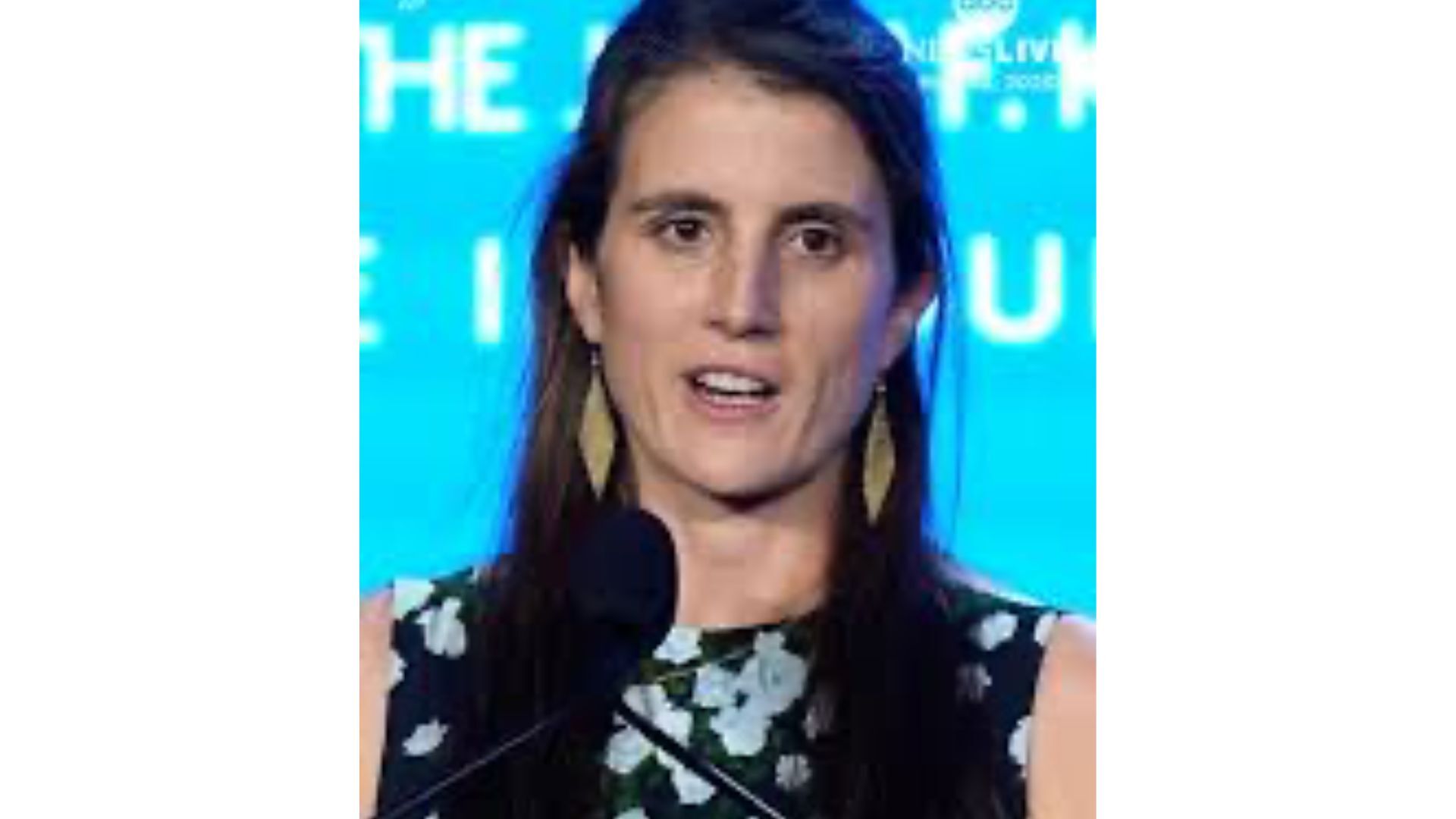
Tatiana Schlossberg, the granddaughter of former US President John F. Kennedy, has disclosed her diagnosis of terminal cancer, specifically acute myeloid leukaemia, which may leave her with only about a year to live. This poignant revelation came in a personal essay published in The New Yorker over the weekend, coinciding with the 62nd anniversary of her grandfather’s assassination.
Schlossberg, aged 34, learned of her illness in May 2024 after routine medical tests conducted following the birth of her second child revealed an abnormally high white blood cell count. Subsequent examinations confirmed the diagnosis, which includes a rare mutation typically found in older adults.
In her essay, Schlossberg, an environmental journalist, detailed her challenging treatment journey. This has involved multiple rounds of chemotherapy, two stem cell transplants—one using cells from her sister and the other from an unrelated donor—and participation in various clinical trials. During one recent trial, she recalled a doctor telling her, “he could keep me alive for a year, maybe.”
Concerns Over Health Policies
In addition to sharing her personal story, Schlossberg expressed concerns about health policies supported by her cousin, Robert F. Kennedy Jr., who serves as the Health and Human Services Secretary. She cautioned that his policies could adversely affect cancer patients, including herself. She wrote, “As I spent more and more of my life under the care of doctors, nurses, and researchers striving to improve the lives of others, I watched as Bobby cut nearly a half billion dollars for research into mRNA vaccines, technology that could be used against certain cancers.”
Her mother, Caroline Kennedy, has also voiced her concerns, urging senators to reject Robert F. Kennedy Jr.’s confirmation, which further highlights the familial tensions surrounding health policy discussions.
Emotional Struggles and Family Impact
Schlossberg candidly shared the emotional toll of her diagnosis, particularly her worries about her young children not remembering her as they grow. She expressed heartbreak at the thought of losing “the wonderful life” she has built with her husband, George Moran.
Reflecting on her family’s response, she described how her parents and siblings attempted to conceal their anguish, but she could sense their pain daily. “For my whole life, I have tried to be good, to be a good student and a good sister and a good daughter, and to protect my mother and never make her upset or angry,” she wrote. “Now I have added a new tragedy to her life, to our family’s life, and there’s nothing I can do to stop it.”
This deeply personal account resonates not only as a story of illness but also as a reflection on the complexities of family dynamics, health policy, and the human experience of facing mortality. Tatiana Schlossberg’s journey serves as a poignant reminder of the fragility of life and the profound impact health decisions can have on families.

Alliance Group Finalizes $270 Million Merger with Dawn Meats

Rising Star Winnie Conlan Celebrates Debut Single Success

New Zealand Urges Covid Booster Before Holiday Gatherings

New Zealand Teen Winnie Conlan Celebrates Debut Single Success

Labour Gains Momentum Ahead of 2026 Election with New Policies

Discover Unique Wildlife on Adelaide’s Riverside and Eyre Peninsula

Calls Grow for Gender Equality in Japanese Succession Law

Tunisia and Syria Clash in FIFA Arab Cup Qatar 2025

Discover Unique Christmas Gifts at Willow and Silk Interiors

Test Your Knowledge: Take the Herald’s Afternoon Quiz Today

PM Faces Backlash from Fans During Netball Trophy Ceremony

Dunedin Designers Win Top Award at Hokonui Fashion Event

Liam Lawson Launches New Era for Racing Bulls with Strong Start

Experience the Excitement of ‘Chief of War’ in Oʻahu

Coalition Forms to Preserve Māori Wards in Hawke’s Bay

Disney Fan Reveals Dress Code Tips for Park Visitors

Walking Faster Offers Major Health Benefits for Older Adults

Scots Rally with Humor and Music to Protest Trump’s Visit
-
 World4 months ago
Test Your Knowledge: Take the Herald’s Afternoon Quiz Today
-
 Sports4 months ago
PM Faces Backlash from Fans During Netball Trophy Ceremony
-
 Lifestyle4 months ago
Dunedin Designers Win Top Award at Hokonui Fashion Event
-
 Sports4 months ago
Liam Lawson Launches New Era for Racing Bulls with Strong Start
-
 Entertainment4 months ago
Experience the Excitement of ‘Chief of War’ in Oʻahu
-
 World4 months ago
Coalition Forms to Preserve Māori Wards in Hawke’s Bay
-
 Lifestyle4 months ago
Disney Fan Reveals Dress Code Tips for Park Visitors
-
 Health4 months ago
Walking Faster Offers Major Health Benefits for Older Adults
-
 Politics4 months ago
Scots Rally with Humor and Music to Protest Trump’s Visit
-

 Top Stories4 months ago
UK and India Finalize Trade Deal to Boost Economic Ties
-
 Health2 months ago
Radio Host Jay-Jay Feeney’s Partner Secures Visa to Stay in NZ
-

 World4 months ago
Huntly Begins Water Pipe Flushing to Resolve Brown Water Issue