
Politics
Richard Chambers: The Right Choice for Police Leadership

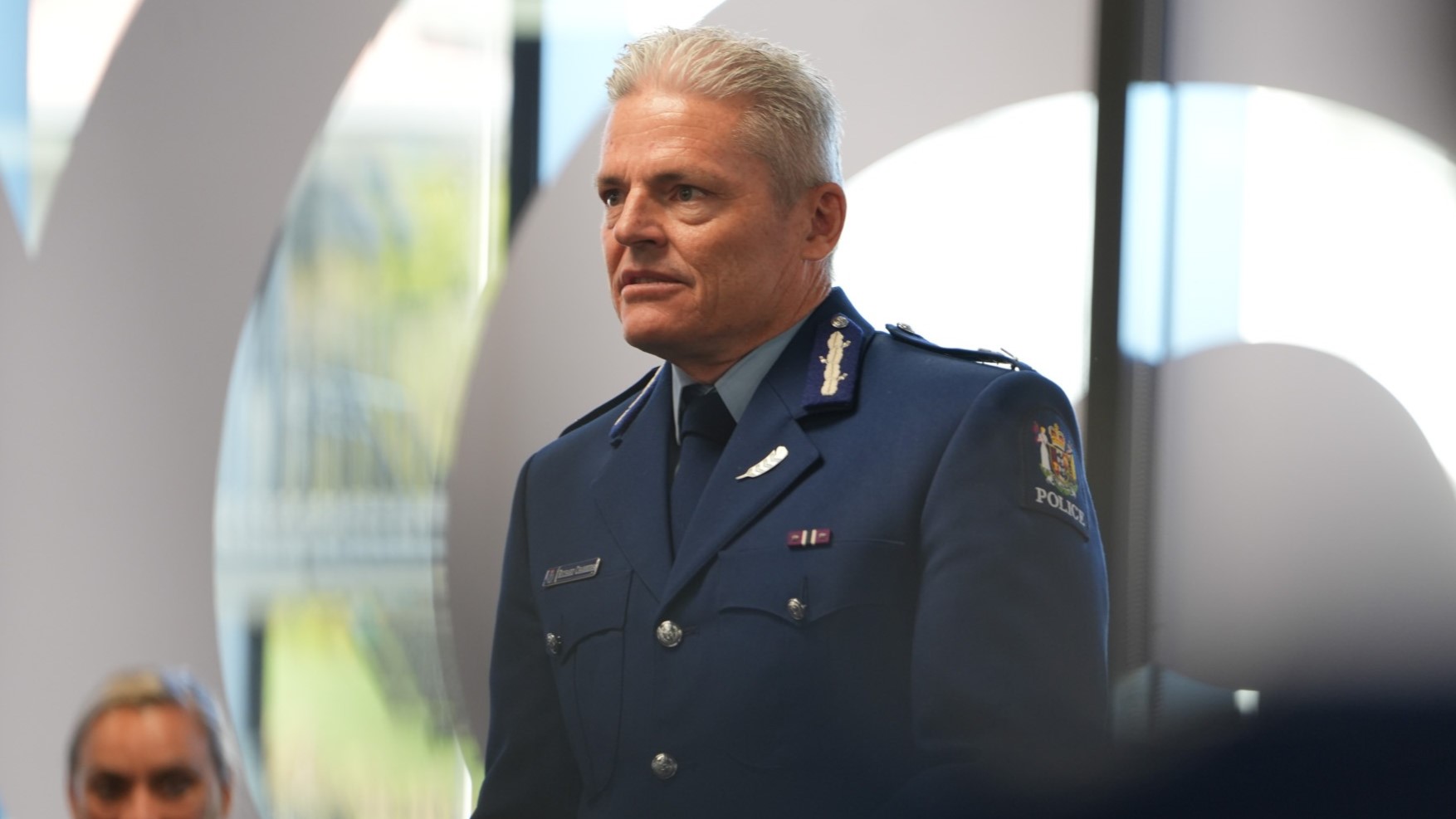
New Zealand’s Police Commissioner, Richard Chambers, is gaining attention as a leader who can restore confidence in the police force. His recent actions, juxtaposed with past controversies, have sparked discussions about the scrutiny faced by public officials today.
Chambers’ appointment comes after a tumultuous period for the New Zealand Police, characterized by criticism of previous leadership. The tenure of former commissioners, particularly McSkimming and Coster, has raised questions about the effectiveness of police management. Unlike these predecessors, Chambers has demonstrated a commitment to addressing the challenges facing the police force, which consists of approximately 15,000 officers.
Despite the current climate of skepticism towards law enforcement, many believe that the majority of officers are dedicated and professional. Chambers has faced personal scrutiny, particularly following reports of a speeding incident where he was recorded driving at 112 km/h. Although this has been misreported as 111 km/h, it nonetheless raises questions about public figures’ responsibilities and the expectations placed upon them.
Chambers also encountered criticism when he was seen swimming with Kash Patel during a tsunami warning. Although he believed the warning had been lifted, he later reached out to the appropriate authorities to apologize. His minister, Mark Mitchell, publicly praised Chambers for his leadership during a recent Parliamentary Select Committee appearance, emphasizing the need for understanding in evaluating public figures.
The current discourse surrounding Chambers raises broader questions about the level of scrutiny faced by individuals in public roles. Are we excessively microanalyzing the actions of leaders, and is this scrutiny constructive? Some argue that it may deter qualified candidates from pursuing positions within public service, a concern that is gaining traction in discussions about leadership in various sectors.
The reality is that no one is entirely free from incidents or mistakes, regardless of their profession. Chambers himself acknowledged that many people drive at speeds exceeding the limit and may not take warnings seriously. This is particularly true in New Zealand, where reactions to crises can sometimes seem exaggerated, often influenced by a media landscape that thrives on sensationalism.
While some may question whether Chambers can effectively lead the police without facing criticism, many believe he exemplifies the qualities needed for the role. His patience and willingness to engage with the public and media suggest he is committed to navigating the complexities of police leadership.
In light of ongoing discussions about police integrity and leadership, it may be time to allow Richard Chambers the space to implement the changes he envisions. As he continues to work on restoring public confidence in the police force, it is crucial that the focus shifts from sensationalized scrutiny to supporting effective governance.

Long-Lost Rubens Painting Fetches €2.94 Million at Auction

Investigation Continues into Andrew Coster as Agency Progresses

Legendary Rugby Players to Clash in Anzac Day Classic Match

Get Financially Fit for 2026: Strategies to Tackle Debt

Swiss National Pleads Guilty in Fatal Canterbury Crash

One NZ Fined $1.1 Million for Breaching Emergency Call Standards

Challenge Your Mind: Solve Today’s Hard Word Puzzle in 60 Seconds

Lusail Circuit Engages F1 Leaders to Enhance Motorsport Collaboration

Long-Lost Rubens Painting Fetches €2.94 Million at Auction

Test Your Knowledge: Take the Herald’s Afternoon Quiz Today

PM Faces Backlash from Fans During Netball Trophy Ceremony

Dunedin Designers Win Top Award at Hokonui Fashion Event

Liam Lawson Launches New Era for Racing Bulls with Strong Start

Experience the Excitement of ‘Chief of War’ in Oʻahu

Coalition Forms to Preserve Māori Wards in Hawke’s Bay

Disney Fan Reveals Dress Code Tips for Park Visitors

Walking Faster Offers Major Health Benefits for Older Adults

Scots Rally with Humor and Music to Protest Trump’s Visit
-
 World4 months ago
Test Your Knowledge: Take the Herald’s Afternoon Quiz Today
-
 Sports4 months ago
PM Faces Backlash from Fans During Netball Trophy Ceremony
-
 Lifestyle4 months ago
Dunedin Designers Win Top Award at Hokonui Fashion Event
-
 Sports4 months ago
Liam Lawson Launches New Era for Racing Bulls with Strong Start
-
 Entertainment4 months ago
Experience the Excitement of ‘Chief of War’ in Oʻahu
-
 World4 months ago
Coalition Forms to Preserve Māori Wards in Hawke’s Bay
-
 Lifestyle4 months ago
Disney Fan Reveals Dress Code Tips for Park Visitors
-
 Health4 months ago
Walking Faster Offers Major Health Benefits for Older Adults
-
 Politics4 months ago
Scots Rally with Humor and Music to Protest Trump’s Visit
-
 Top Stories4 months ago
UK and India Finalize Trade Deal to Boost Economic Ties
-

 Health2 months ago
Radio Host Jay-Jay Feeney’s Partner Secures Visa to Stay in NZ
-
 World4 months ago
Huntly Begins Water Pipe Flushing to Resolve Brown Water Issue