
Science
New Study Reveals Brain Development Stages Last Until 32

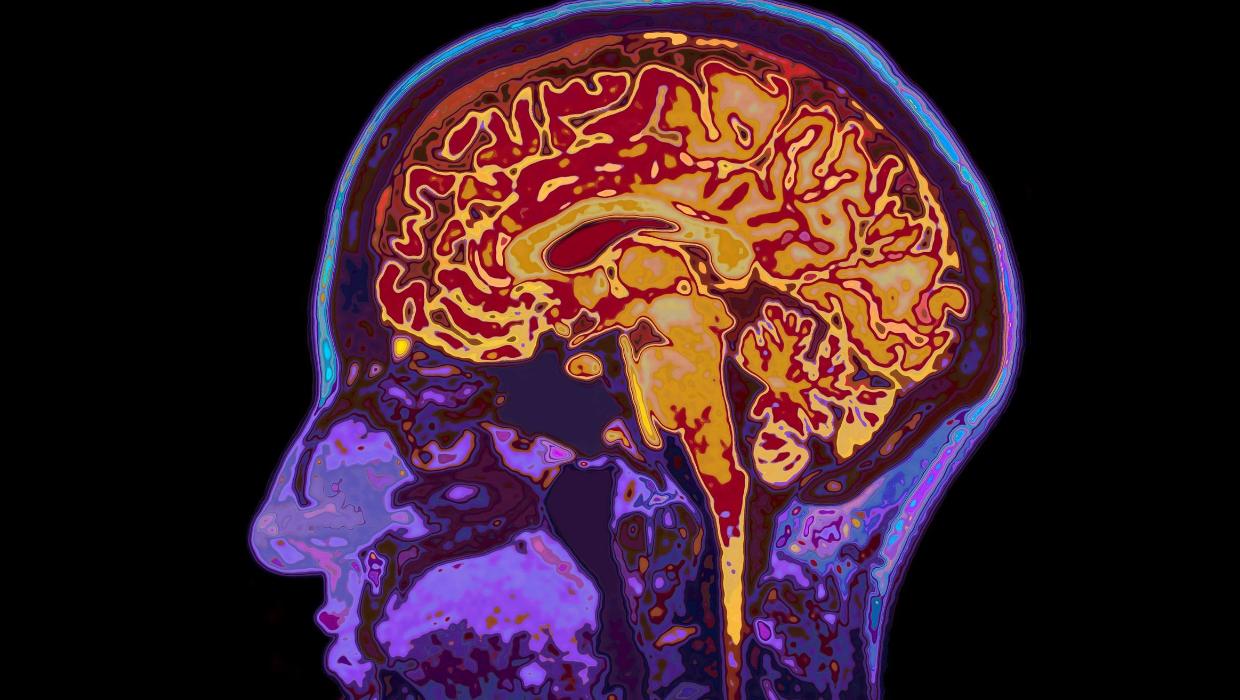
Research conducted by the University of Cambridge has revealed that human brain development extends into the early thirties, with significant changes occurring during this period. The study identifies five major epochs of brain growth, highlighting four critical turning points in an individual’s life.
The findings suggest that the brain continues to evolve until approximately age 32, challenging the long-held belief that brain maturity is reached in the early twenties. This extended developmental phase may have implications for understanding behavior and decision-making in young adults.
Understanding the Five Epochs of Brain Development
According to the study, which is grounded in extensive neurodevelopmental research, the five epochs mark distinct phases in cognitive and emotional growth. The first epoch begins in childhood, characterized by rapid development and the establishment of foundational skills. Subsequent epochs reflect significant milestones, including adolescence and early adulthood, culminating in a more stable phase that begins around age 32.
The study’s authors emphasize that these findings are critical in recognizing how brain maturity influences social interactions, educational trajectories, and overall life choices. The fourth turning point occurs at around age 66, when the brain starts to show signs of aging, such as decreased cognitive flexibility and slower processing speeds.
Implications of Extended Brain Development
The implications of this research are far-reaching. With the brain’s development continuing into the early thirties, educational institutions and policymakers might reconsider age-related expectations regarding maturity and responsibility. Furthermore, this insight could reshape discussions around mental health, as young adults may face unique challenges in their transition to full independence.
Dr. Richard J. Davidson, a leading neuroscientist not involved in the study, commented on the significance of these findings, stating, “Understanding that brain maturation continues into the thirties offers a fresh perspective on developmental psychology and mental health.”
The research underscores the necessity for support systems tailored to young adults navigating this prolonged developmental phase. As society increasingly acknowledges the complexities of brain development, it may foster a more empathetic approach to the challenges faced by individuals in their twenties and thirties.
In summary, the University of Cambridge study sheds light on the intricate journey of brain development, offering a new lens through which to view human growth and maturity. As more research unfolds, the understanding of brain development’s impact on behavior and society is likely to evolve, prompting a reevaluation of existing norms around age and maturity.

Long-Lost Rubens Painting Fetches €2.94 Million at Auction

Investigation Continues into Andrew Coster as Agency Progresses

Legendary Rugby Players to Clash in Anzac Day Classic Match

Get Financially Fit for 2026: Strategies to Tackle Debt

Swiss National Pleads Guilty in Fatal Canterbury Crash

One NZ Fined $1.1 Million for Breaching Emergency Call Standards

Challenge Your Mind: Solve Today’s Hard Word Puzzle in 60 Seconds

Lusail Circuit Engages F1 Leaders to Enhance Motorsport Collaboration

Long-Lost Rubens Painting Fetches €2.94 Million at Auction

Test Your Knowledge: Take the Herald’s Afternoon Quiz Today

PM Faces Backlash from Fans During Netball Trophy Ceremony

Dunedin Designers Win Top Award at Hokonui Fashion Event

Liam Lawson Launches New Era for Racing Bulls with Strong Start

Experience the Excitement of ‘Chief of War’ in Oʻahu

Coalition Forms to Preserve Māori Wards in Hawke’s Bay

Disney Fan Reveals Dress Code Tips for Park Visitors

Walking Faster Offers Major Health Benefits for Older Adults

Scots Rally with Humor and Music to Protest Trump’s Visit
-
 World4 months ago
Test Your Knowledge: Take the Herald’s Afternoon Quiz Today
-
 Sports4 months ago
PM Faces Backlash from Fans During Netball Trophy Ceremony
-
 Lifestyle4 months ago
Dunedin Designers Win Top Award at Hokonui Fashion Event
-
 Sports4 months ago
Liam Lawson Launches New Era for Racing Bulls with Strong Start
-
 Entertainment4 months ago
Experience the Excitement of ‘Chief of War’ in Oʻahu
-
 World4 months ago
Coalition Forms to Preserve Māori Wards in Hawke’s Bay
-
 Lifestyle4 months ago
Disney Fan Reveals Dress Code Tips for Park Visitors
-
 Health4 months ago
Walking Faster Offers Major Health Benefits for Older Adults
-
 Politics4 months ago
Scots Rally with Humor and Music to Protest Trump’s Visit
-

 Top Stories4 months ago
UK and India Finalize Trade Deal to Boost Economic Ties
-

 Health2 months ago
Radio Host Jay-Jay Feeney’s Partner Secures Visa to Stay in NZ
-

 World4 months ago
Huntly Begins Water Pipe Flushing to Resolve Brown Water Issue